
Products — Power Supply & Distribution
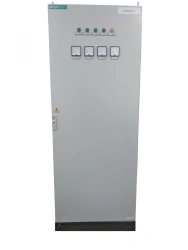
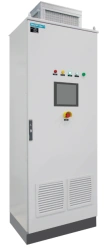
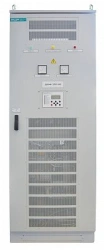
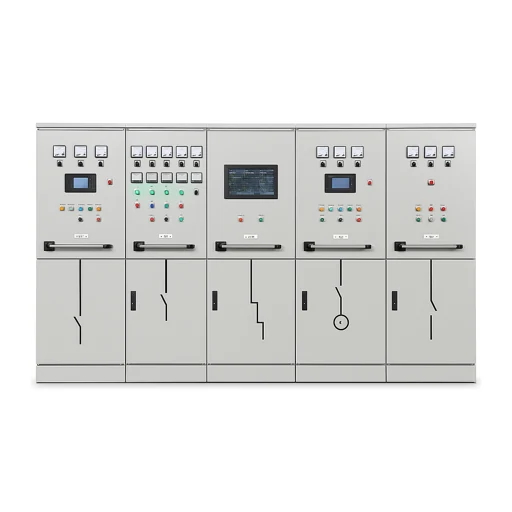
Low Voltage Complete Equipment SHNE Series

Low Voltage Complete Equipment SHNE Series

$900-6,000
EKRA LLC 🇷🇺
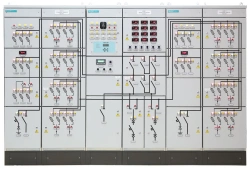
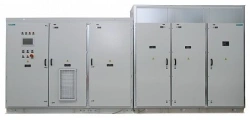
Operational Direct Current System (ODCS)

Operational Direct Current System (ODCS)

$9,000-60,000
EKRA LLC 🇷🇺
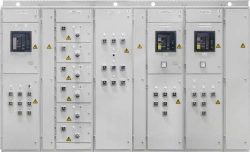
NCU Distribution and Control Cabinet "NCU-BS-VD

NCU Distribution and Control Cabinet "NCU-BS-VD

$9,000-36,000
EKRA LLC 🇷🇺
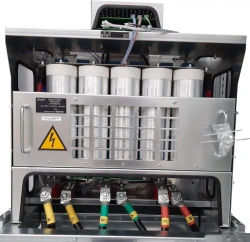
Frequency Converter Series ENN for Motor Control

Frequency Converter Series ENN for Motor Control

$3,000-18,000
EKRA LLC 🇷🇺
Frequency Converter Series EHN for Motor Control

Frequency Converter Series EHN for Motor Control

$42,000-300,000
EKRA LLC 🇷🇺
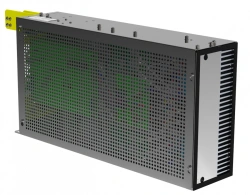
Semiconductor AC Voltage Converter SST-400-500

Semiconductor AC Voltage Converter SST-400-500

$1,500-6,000
EKRA LLC 🇷🇺
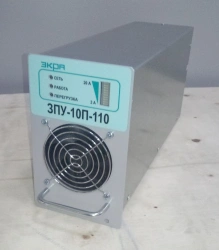
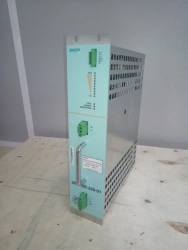
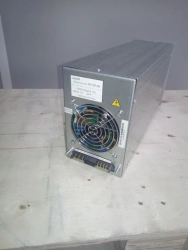
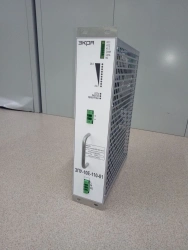
Power Supply Module ZPU-10P-110

Power Supply Module ZPU-10P-110

$150-480
EKRA LLC 🇷🇺
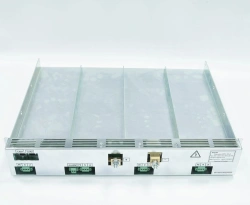
ZPU-10-4 Module Connection Cassette

ZPU-10-4 Module Connection Cassette

$150-540
EKRA LLC 🇷🇺

Post your Buy Requirement

Get Quotes from Verified Suppliers
Save Your Time
Stabilized Power Supply Unit P190A

Stabilized Power Supply Unit P190A

$15-60
EKRA LLC 🇷🇺
Power Converter Block BS-75KI

Power Converter Block BS-75KI

$450-1,800
EKRA LLC 🇷🇺
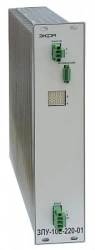
Power Supply Module ZPU-10E-220-01

Power Supply Module ZPU-10E-220-01

$90-300
EKRA LLC 🇷🇺
Power Module ZPU-10P-220 with LED Indicator

Power Module ZPU-10P-220 with LED Indicator

$90-300
EKRA LLC 🇷🇺

Transformers, UPS and Power Supplies for Grid and Facility Projects

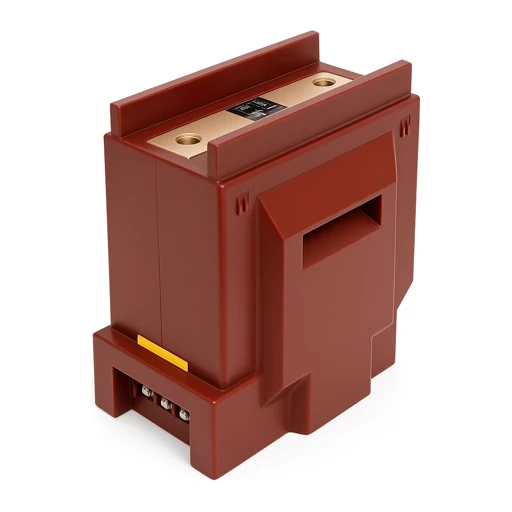
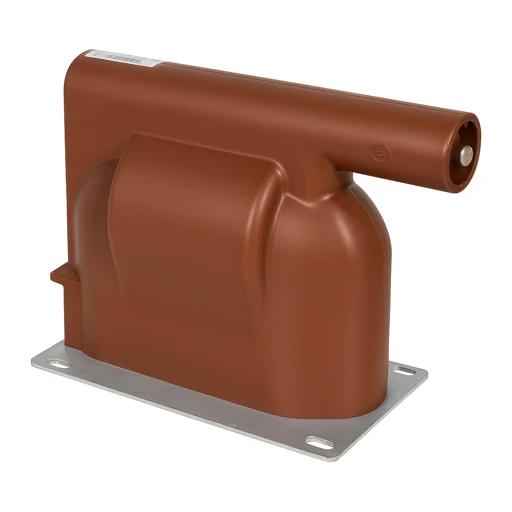
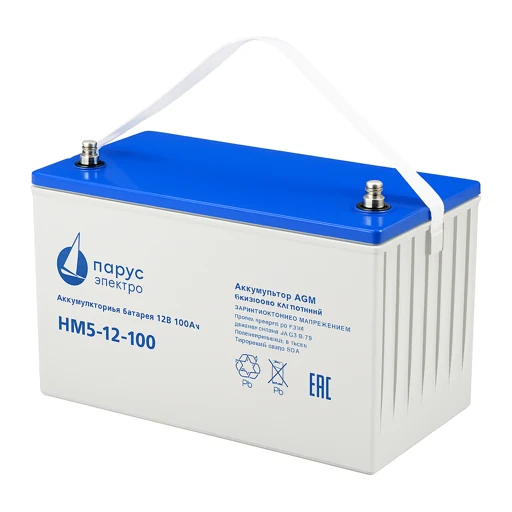
From a wall-mounted power module to a packaged substation, this 3,015-listing category from 532 suppliers covers the full power conversion chain. The depth is in the mid-range: 474 power supplies and modules, 306 starter batteries, 303 inverters, rectifiers and chargers, 269 stationary and lithium-ion batteries, 249 power transformers, 230 uninterruptible power supplies, 171 instrument current transformers and 85 voltage transformers, 119 special and choke transformers, 109 switchgear positions, 74 packaged substations, plus measurement transducers and voltage stabilizers.

Transformer building is a long-standing Russian export strength — machines for utilities across Asia, Africa and Latin America have come from these plants for decades, and service infrastructure for them already exists in many importing countries. The battery and UPS segment grew more recently on telecom and data-centre demand. Across the category, equipment is engineered for wide temperature ranges and tolerant of grid disturbance, with routine factory testing documented per unit.

  • Utility equipment: distribution transformers and packaged substations configured to your network voltages and vector groups.
  • Factory tests: routine test protocols per transformer and UPS; witnessed acceptance available for utility orders.
  • Battery logistics: lithium systems ship under dangerous-goods rules; suppliers prepare UN-compliant packaging and documents.
  • Order scale: single units for facilities; framework contracts for utility tender volumes.
  • Delivery: FOB Novorossiysk or St. Petersburg; rail and truck across the EAEU and Central Asia.

State your network parameters and load profile in a sourcing request and manufacturers will configure and quote the equipment.

FAQ

Can distribution transformers be built for my national grid parameters?
Yes. Plants wind to your primary and secondary voltages, vector group, tap range and frequency, and apply the cooling and climatic execution your site needs. Provide the network one-line data and ambient conditions; the factory returns a technical proposal with losses, impedance and dimensions for approval before production, which typically takes 8–16 weeks.
What testing documentation accompanies a transformer?
Every unit passes routine tests — winding resistance, ratio, insulation, applied and induced voltage, losses — documented in a protocol shipped with the transformer. Type test reports for the design are available for tender files. Utility buyers can witness factory acceptance in person or by video link, which suppliers arrange routinely.
How are lithium batteries and UPS systems shipped internationally?
Lithium-ion batteries travel as Class 9 dangerous goods: UN-certified packaging, state-of-charge limits and dangerous goods declarations, which suppliers prepare. Sea freight is the standard mode; air carries tighter restrictions. Lead-acid and VRLA batteries ship with simpler paperwork. Factor 1–2 extra weeks for DG documentation on first orders.
Do UPS suppliers help size the system for my facility?
Yes — send the load list, required autonomy and site temperature, and the supplier proposes UPS rating, battery configuration and ventilation requirements. For data-centre and telecom projects, redundancy schemes and monitoring integration are specified at this stage. Sizing calculations are part of the quotation, not a paid extra.
Is commissioning support available for packaged substations?
Packaged substations ship factory-assembled and tested, with installation and earthing drawings. Supervised commissioning by a factory engineer is a contract option many utility buyers take for the first units, then handle subsequent ones with their own crews. Remote support and spare-parts kits are agreed in the supply contract.
What payment structure is usual for large electrical equipment?
Typical terms are 30–50 percent advance with the balance before shipment by bank transfer; letters of credit are workable with larger plants if banking channels are agreed early. For framework utility contracts, milestone payments tied to factory acceptance tests are common practice.