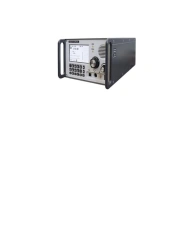


Principle of construction of the receiving path
Direct digitisation of radio signals
ADC clock frequency
1.6...30 t
ADC digit capacity
16 t/h
Receiving frequency range
1.6...30 t
Sampling frequency of the received signal in the receive/transmit mode
200 t
Types of modulation
LSB, USB, DSB, CW, AM, SAM, NFM, WFM
Sensitivity at bandwidth value (0.5 ± 0.1) kHz, nominal input impedance value of 50 and (signal+noise/noise ratio)
3.0E-7 thousand m³
Number of independent receiving channels
1 µGy
Number of affected frequencies with intrinsic noise level exceeding the intrinsic noise level in the band (100 ± 10) Hz by at le
10 µGy
Single-signal dynamic range in the band 500 Hz, not less, dB ±3dB
130
Selectivity of the receiver on side channels of reception in the frequency range 0,15 - 300 MHz, not less
Flat grinder, Specialised grinder
Two-signal selectivity at interference rejection at frequency ± (100 ± 1) kHz when measured in the filter band 3.1 kHz, not less
100
Internal oscillator instability, max (optional)
±0.5×10(-6) (±5×10(-8))
Built-in receiver preamplifier with gain settings
10
Principle of transmitter signal generation
Straight synthesis
DAC clock frequency
640 t
DAC digit capacity
14 t/h
Transmitted frequency range
2...30 t
Level of nonlinear combinational distortion of the signal at the output relative to the level of the main oscillation (when a tw
-30
Maximum power output
20 ±2 cm³
Operating temperature range
0...40 million m³
Limit reduced/increased temperature
– 40/+50 million m³
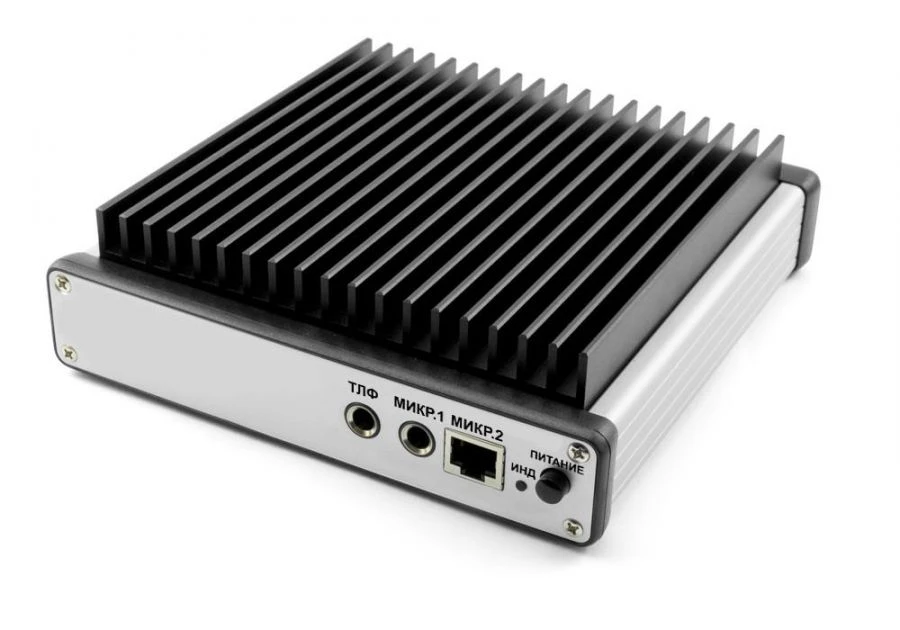
Dimensions (DxWxH)
185x170x60 mm
Weight, not more
2 m² living area
Supply voltage range
12...16 cm³
Maximum current consumption
5.0 ±0.5
Receiving frequency range
1,6-30
Analog-to-digital converter (ADC) bit rate
16 t/h
Connection type
Computer console