
Products — Yarn, Thread & Raw Fibers

Flax Yarn, Sewing Thread and Raw Fibers from the Source

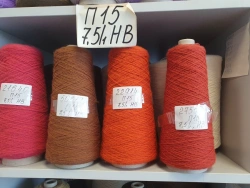
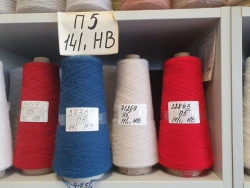
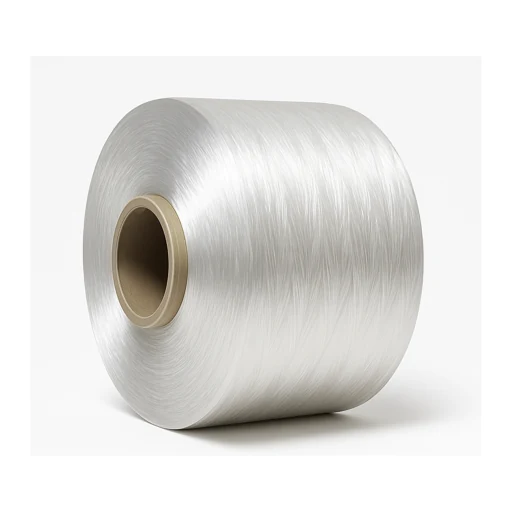
Spinners, weavers and sewing producers will find the upstream end of the textile chain here: 219 positions from 64 suppliers. Sewing thread is the largest group at 63 listings, followed by ribbons and braided tapes, knitting and spinning yarns, raw and processed fibers - including washed sheep wool - cords and ropes. The quiet star of the section is flax: Russia remains one of the few countries still growing and wet-spinning linen at scale, and dry- and wet-spun flax yarns appear here alongside linen-polyester blends.

For yarn buyers, provenance matters because it sets the price floor. Sourcing flax yarn from the country that grows the fiber, or coarse wool direct from washing stations, removes a trading layer that most importers in Asia and the Middle East currently pay without noticing. Industrial sewing threads, meanwhile, come from plants supplying Russia's own garment and footwear factories, with polyester and armored constructions in standard tex numbers.

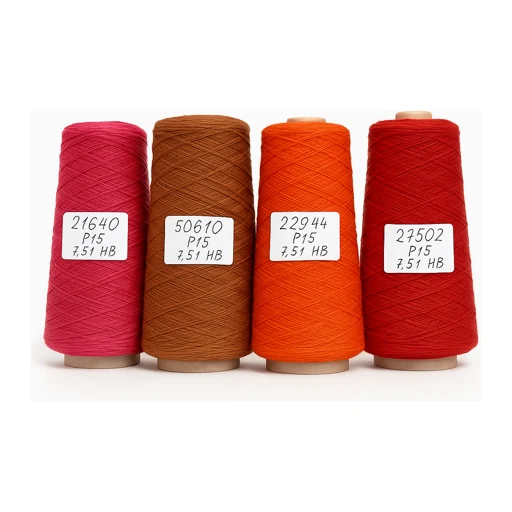
  • Flax program: dry-spun and blended linen yarns from domestic fiber
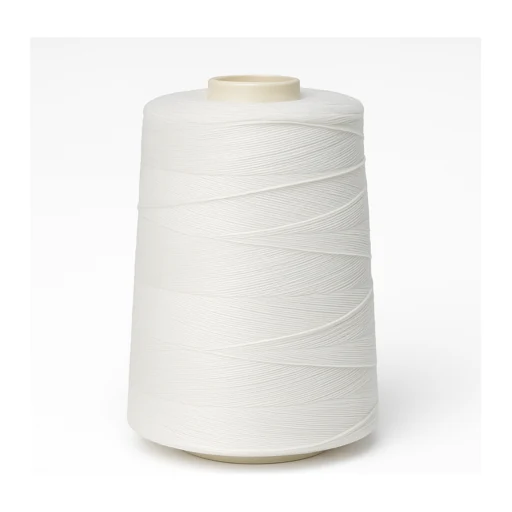
  • Industrial thread: 63 positions of polyester and core-spun sewing threads in tex sizing
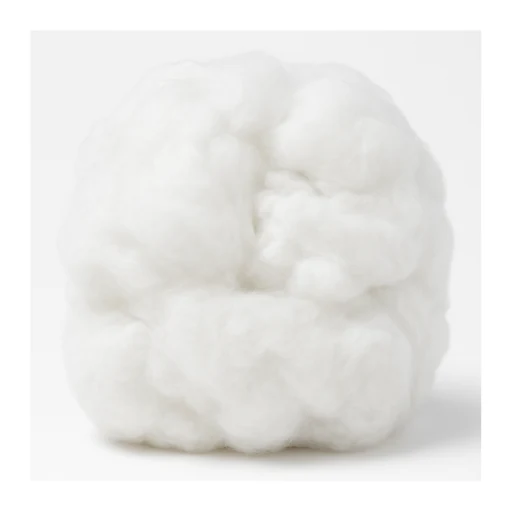
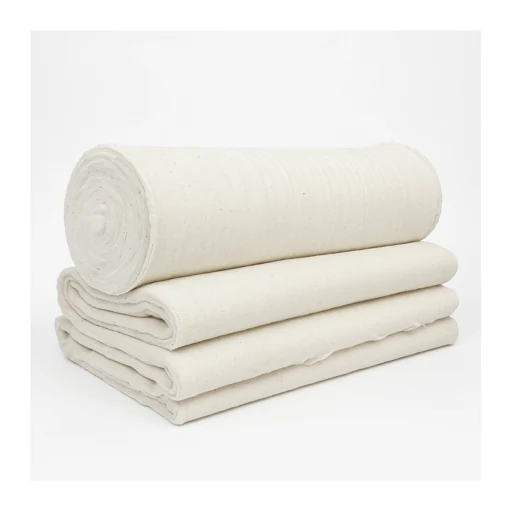
  • Raw fiber: washed sheep wool and nonwoven webs for spinners and felters
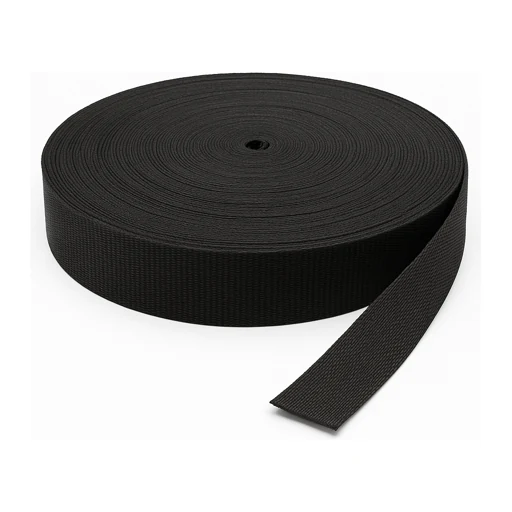
  • Haberdashery: ribbons, braided tapes, cords and ropes for garment and technical use
  • Terms: cones and bales, EXW or FOB St. Petersburg / Novorossiysk; pressed wool bales rate well on sea freight

Quote your counts, tex numbers or fiber specs in a sourcing request and producers will reply with lab data and prices.

FAQ

Which count systems do Russian spinners use for yarn?
Linen and blended yarns are typically quoted in metric number (Nm) or tex; sewing threads in tex with the construction stated, such as the number of plies. If your equipment documentation uses English cotton count or denier, send it as is - suppliers convert routinely. Always confirm the count system explicitly on the proforma to avoid a misread order.
Can I get flax yarn samples for trial weaving or knitting?
Yes, spinners send sample cones of 1-2 kg per count for trial runs, usually charging only courier cost. Test for evenness, breakage rate at your machine speeds and shade after your finishing process. Production minimums after a successful trial typically start around 300-500 kg per count, less for stocked positions.
What should I know before buying washed sheep wool in bulk?
Specify the parameters that matter to your mill: fiber diameter range, staple length, residual grease content and vegetable matter. Russian coarse and semi-fine wools suit carpets, felting and coarse knits rather than fine worsted. Wool ships in pressed bales of 100-200 kg; ask for a core-sample test report per lot before dispatch.
Are industrial sewing threads compatible with high-speed machines?
The polyester threads listed are produced for industrial garment and footwear lines and run on high-speed lockstitch and overlock equipment. For demanding applications - leather, tarpaulins, automotive - ask for bonded or armored constructions. Request one carton of assorted tex sizes as a trial; thread is light, so air shipment of samples is cheap.
How do small haberdashery items like ribbons and tapes ship economically?
Ribbons, tapes, cords and thread are dense, high-value-per-kilo cargo, so they travel well as groupage or even air freight for urgent replenishment. Many buyers attach a haberdashery line to a larger fabric order from the marketplace to fill remaining truck or container space - suppliers coordinate joint loading through forwarders as standard practice.