

Products — Nonwoven Materials

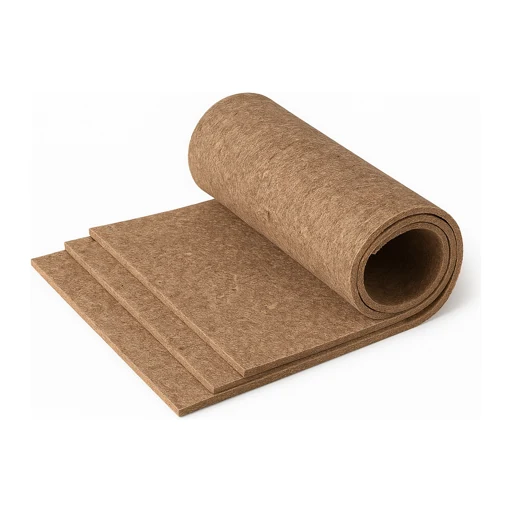
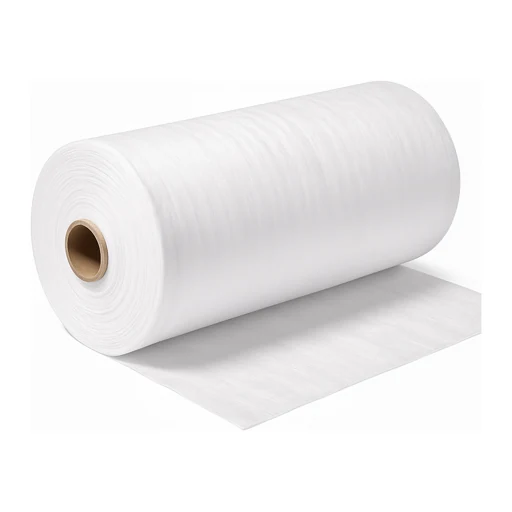
Lighttex Geotextile, 600g/m²

Lighttex Geotextile, 600g/m²

$1.20-6
VTOR-KOM OJSC 🇷🇺
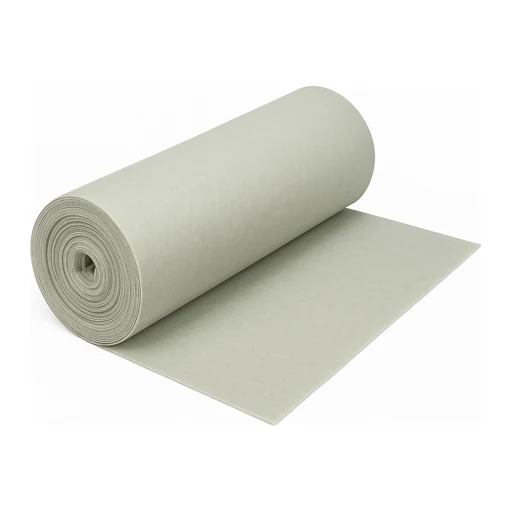
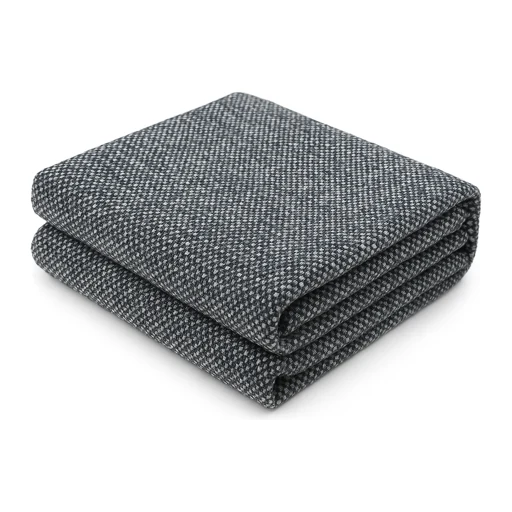
VK Geotextile, 350 g/m²

VK Geotextile, 350 g/m²

$0.90-3.60
VTOR-KOM OJSC 🇷🇺

Spunbond, Wadding and Geotextile: Nonwovens Sold by the Ton

Nonwovens are bought on price per kilogram and consistency of the web, and that is exactly the game this section plays: 258 positions from 46 Russian producers. Spunbond leads with 86 listings, followed by 71 articles of thermal wadding for insulated clothing and furniture, general nonwoven fabrics, geotextile for construction, polyester sintepon wadding and a small felt group.

Russia produces nonwovens from domestic polymer feedstock, which keeps pricing closely tied to raw material cost rather than to import markups. Spunbond from these plants goes into agriculture (crop covers), hygiene and packaging across the CIS; geotextile is consumed in large volume by road construction; thermal wadding feeds the country's substantial cold-weather clothing industry. Buyers in Central Asia and the Caucasus already source these materials overland; for the Middle East, Africa and Latin America the economics work at full-container volumes.

  • Spunbond: 86 articles across densities, in agricultural, hygiene and packaging grades
  • Insulation waddings: thermal bonded and sintepon fillers for garments and furniture, 86 combined listings
  • Geotextile: needle-punched and bonded webs for roads, drainage and landscaping
  • Specification: every article defined by g/m2, width and bonding type
  • Logistics: compressed bales and wide rolls; EXW or FOB Novorossiysk / St. Petersburg, overland to Central Asia

Send the density range, widths and monthly tonnage you need as a sourcing request, and producers will quote per kilogram with freight options.

FAQ

What densities of spunbond are available and how do I choose?
Producers run the typical range from 15-17 g/m2 for light crop covers up to 100-150 g/m2 for packaging and furniture applications. Choose by function: lightweight grades for frost protection and row covers, 40-60 g/m2 for bags and disposable products, heavier grades for upholstery backing. State your application and the producer will recommend a grade and send rolls for trial.
Is agricultural spunbond stabilized against sunlight?
Agro grades are normally UV-stabilized for one or more growing seasons, and the producer declares the stabilization level. For high-radiation climates in the Gulf or Africa, ask specifically for the seasonal lifetime under your conditions rather than relying on the standard rating, and consider the heavier-stabilized grades. Field behavior should be confirmed with a trial batch.
How is wadding shipped without paying for air?
Thermal wadding and sintepon are compressed into bales or vacuum-packed rolls, which cuts shipped volume several-fold; the material recovers its loft after unpacking. Confirm the compression ratio and recovered thickness with the producer, since this determines how many tons fit a container. Loading plans and bale dimensions are provided with the quotation.
Can geotextile from this section be used in road projects with engineering supervision?
Yes, producers supply needle-punched geotextile with declared tensile strength, elongation and density measured under Russian standards, and provide test reports with each batch. If your project engineer specifies parameters under ISO or ASTM methods, request the producer's comparative data or arrange third-party testing of delivery samples - both are routine for export contracts.
What are realistic minimums and lead times for a first order?
Producers typically sell from about one ton per article for stocked grades; custom widths or colors start around 3-5 tons. Production lead time is short, usually 10-20 days, because lines run continuously. Transit adds 10-18 days overland to Central Asia or 30-45 days by sea to most other regions.