
Products — Security Control Panels & I/O
Control Panels, Addressable Modules and I/O for Security and Fire Systems Integrators

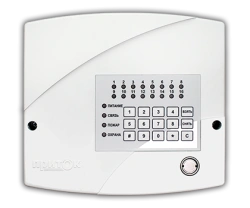
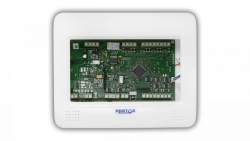
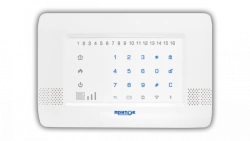
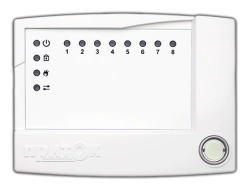
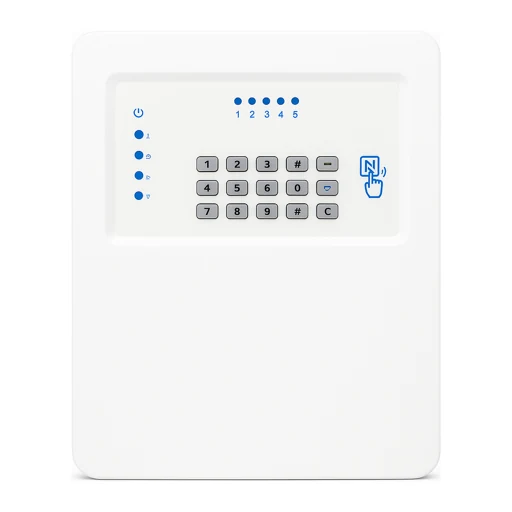
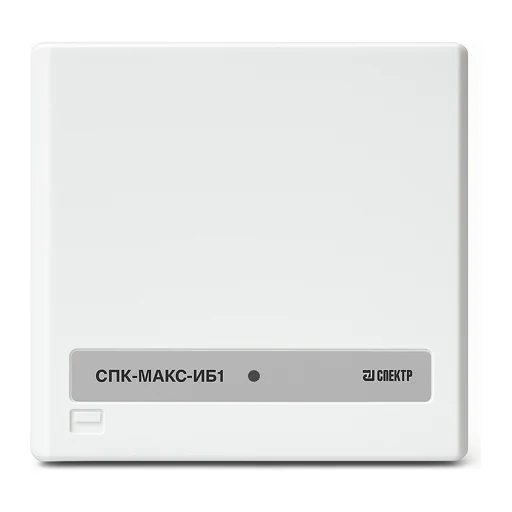
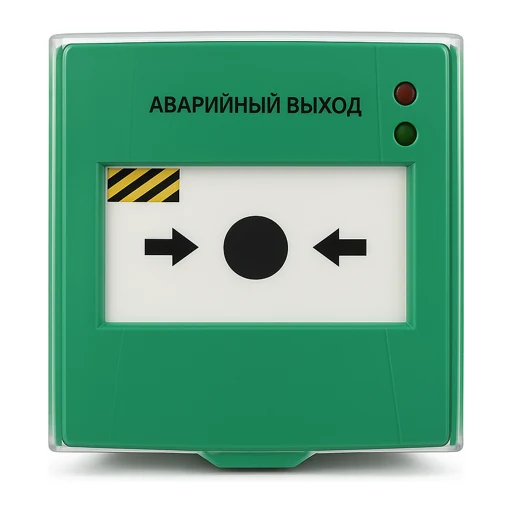
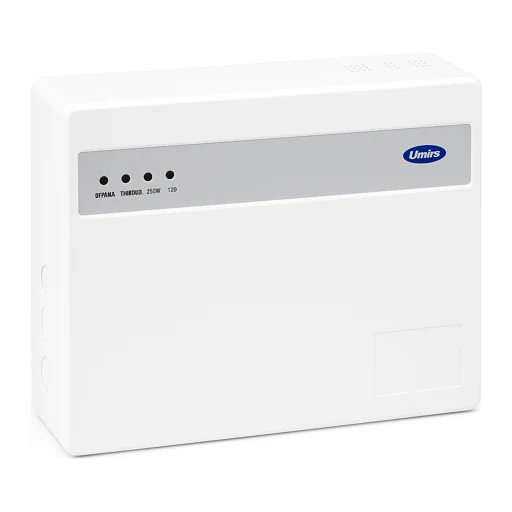
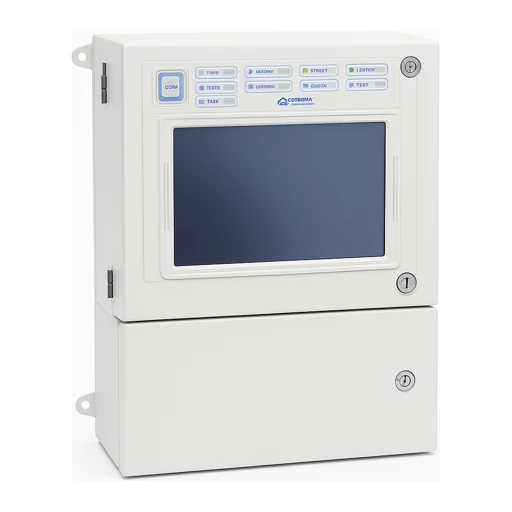
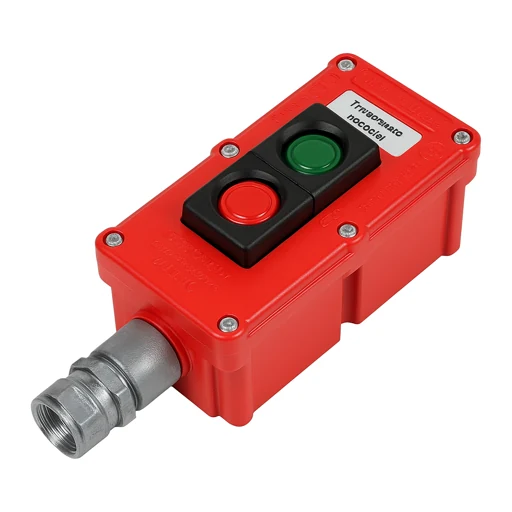
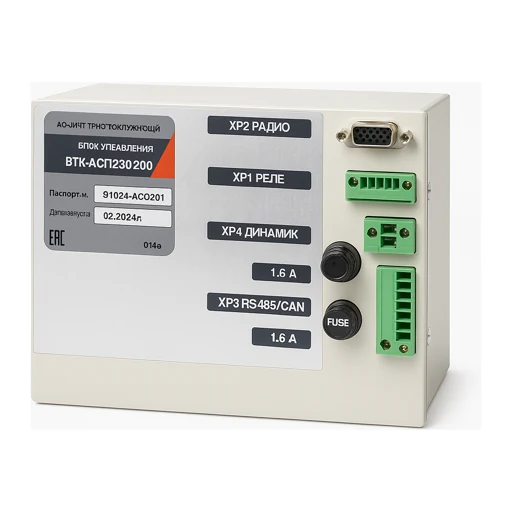
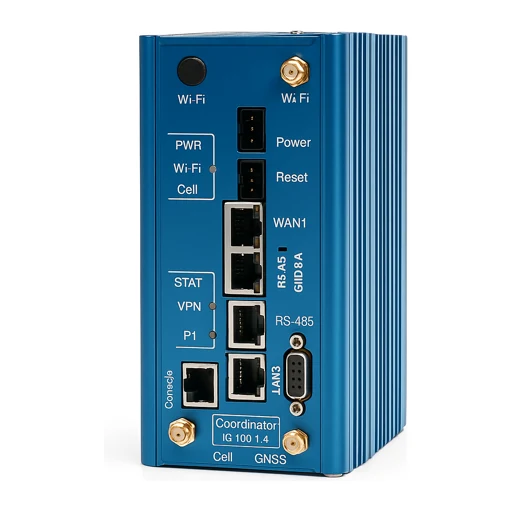
This is the engine room of security engineering — the panels, expanders and relay modules that everything else wires into. The 455 products from 95 manufacturers include monitoring systems and end devices (82 items), addressable modules and expanders (74), release and automation starter modules (67), combined fire and intrusion control panels (59), I/O controllers (45), control stations and pushbuttons, signaling units, keypads, and a block of information-security hardware appliances (21).

The Russian approach to security panels differs usefully from the Western mainstream: combined fire-and-intrusion ecosystems are the norm, panels are built to run autonomously on sites with unreliable networks, and per-point pricing is low enough to make fully addressable architecture affordable on mid-size buildings. Several manufacturers ship mature ecosystems — panels, modules, keypads, software — that an integrator in Central Asia, the Middle East or Africa can adopt as a complete house line rather than assembling from mixed brands.

  • Architecture: conventional, addressable and hybrid panels; RS-485 backbones common
  • Automation: starter modules control suppression release, ventilation, dampers and pumps
  • Software: monitoring and configuration tools included; English versions on major lines
  • Terms: EXW or FOB St. Petersburg; light electronics ship by air economically
  • Support: wiring diagrams, programming manuals and remote configuration help

Describe your typical project size and the device mix you install — a single sourcing request brings back ecosystem proposals from several panel manufacturers.

FAQ

Can I build my integration business on one Russian panel ecosystem?
That is exactly how these product lines are designed to be used. A typical ecosystem covers fire and intrusion panels, addressable detectors and modules, keypads, power supplies and free configuration software. Becoming a regional partner usually brings training, project support and better pricing. Evaluate two or three ecosystems on pilot sites before standardizing.
Are panel interfaces and software available in English?
Major manufacturers provide English firmware menus, configuration software and documentation; some offer Spanish or French on request. Smaller specialized module makers may have Russian-first documentation with English datasheets. Confirm language coverage for both installer tools and end-user keypads in your inquiry — end-user language matters for handover acceptance.
How do release modules control suppression systems safely?
Starter and release modules supervise the actuator circuit, require confirmed alarm logic from the panel before energizing, and report line faults. They drive gas suppression valves, powder module circuits, pumps and dampers. Wiring diagrams and cause-and-effect templates come with documentation; your local fire-code requirements on manual abort and delays are configurable in the panel.
What happens when the panel loses network or mains power?
Panels are designed for autonomous operation: control logic runs locally, not in the cloud, and battery backup is standard practice with capacity calculated per your standby-hour requirement. Events buffer locally and synchronize when the link returns. This architecture suits sites with unstable grids — specify your required standby hours and suppliers will size batteries.
What are usual MOQs, lead times and warranty terms?
Panels and modules ship from single units for evaluation; project quantities are typically available in 2–4 weeks from stock or 30–45 days in production. Warranty runs 12–36 months depending on manufacturer. For ongoing partners, advance-replacement arrangements and consignment spare kits are negotiable once order history is established.