
Products — Road & Traffic Safety

Traffic Lights, Road Barriers and Enforcement Systems for Municipal Buyers

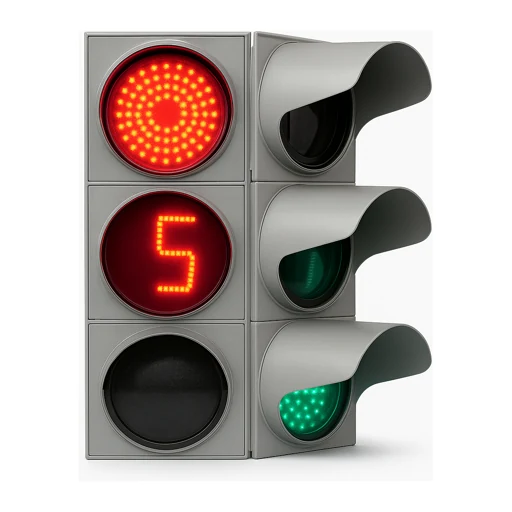
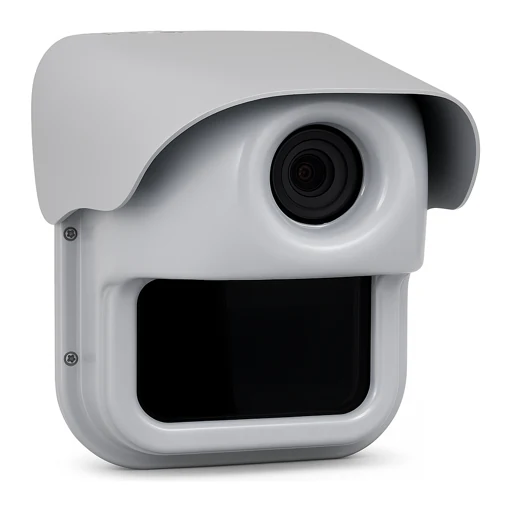
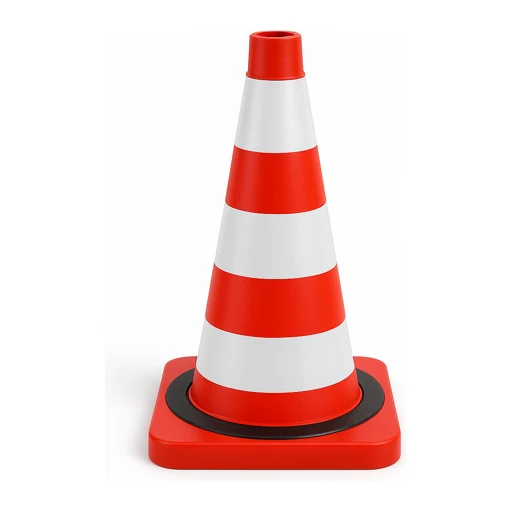
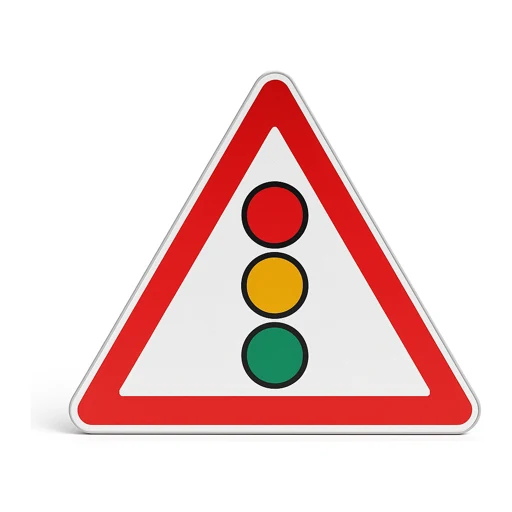
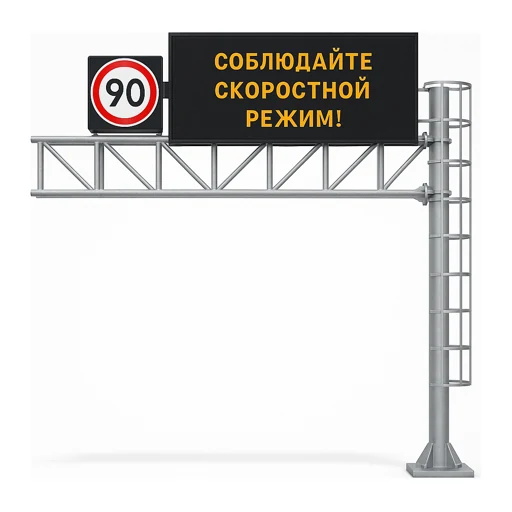
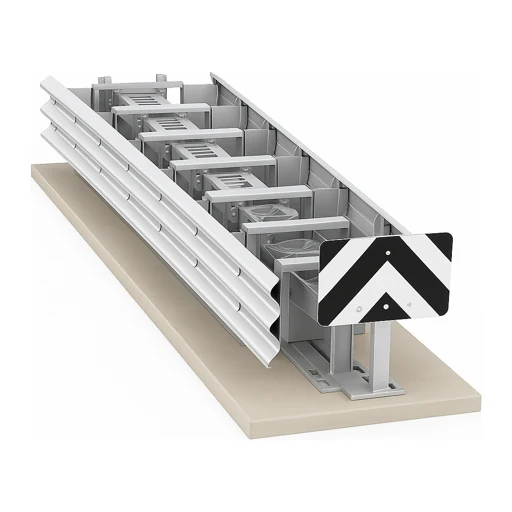
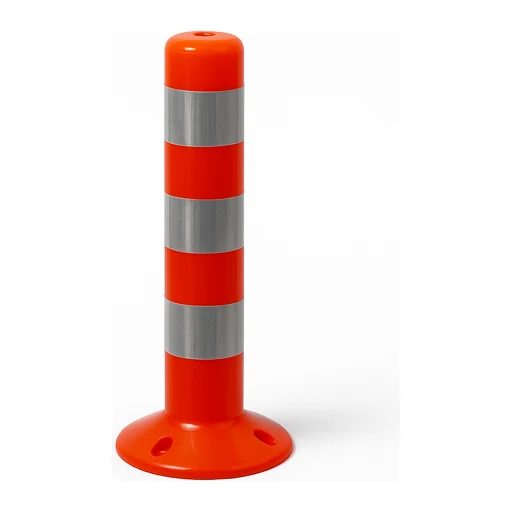
Road infrastructure purchasing is usually a public-money exercise, which means specifications, conformity papers and predictable delivery matter as much as price. This category assembles 310 positions from 108 Russian manufacturers around exactly that buyer: LED traffic lights and pedestrian crossing systems (69 items), speed cameras and automated enforcement systems (61), traffic cones and marking devices (50), road signs, posts and retroreflectors (29), traffic detectors and variable message signs (26), crash cushions and road barriers (23), delineator posts, anti-ram bollards and traffic controllers.

Russia rebuilt much of its traffic management infrastructure over the past fifteen years, so domestic manufacturers produce modern hardware: full-LED signal heads with countdown modules, GLONASS/GPS-synchronized controllers, radar- and camera-based enforcement units. Cities and road agencies in Central Asia already buy this equipment routinely thanks to shared technical norms and overland logistics; for Africa, the Middle East and Latin America the draw is functional equipment at mid-market prices with complete engineering documentation.

  • Power options: mains and solar-powered signal and sign configurations for off-grid sites
  • Climate ratings: standard ranges cover roughly minus 40 to plus 60 degrees Celsius
  • Order size: from single intersections to corridor-scale programs
  • Terms: EXW or FOB Novorossiysk; overland trucking across the EAEU to Central Asia
  • Documents: conformity declarations, photometric data, wiring and installation drawings

Attach your intersection drawings or tender specification to a sourcing request and receive itemized manufacturer bids.

FAQ

Can traffic signal systems be configured to our national standards?
Largely yes. Lens diameters (200/300 mm), signal phases, pedestrian modules with countdown timers and audible signals are configurable, and controllers support custom phase programs. Send your national signal standard or a reference photo of existing intersections; manufacturers will confirm what matches off the shelf and what needs adaptation.
Do speed enforcement cameras integrate with our back-office and vehicle databases?
Enforcement units capture violations with timestamps, coordinates and plate recognition, then export evidence packages via standard data formats. Integration with your national fine-processing system requires an API project — suppliers provide protocol documentation and have done such integrations in several countries. Discuss plate-format recognition for your region explicitly; it is a software configuration item.
Are solar-powered options available for sites without grid connection?
Yes — solar configurations exist for pedestrian crossing beacons, variable message signs, delineators and some signal installations. Suppliers size panels and batteries to your latitude and required autonomy days. For African and Middle Eastern solar conditions, autonomy sizing is usually generous; specify dust exposure so the right panel maintenance recommendations come with the kit.
What is the typical delivery picture for a corridor project?
Manufacturing for a multi-intersection package typically takes 45–60 days after specification freeze. Heavy items — poles, barriers, bollards — move by sea from Novorossiysk (4–7 weeks to most destinations) or by truck within reach of Central Asia (1–3 weeks). Electronics can be air-freighted separately if your installation schedule is staged.
What documentation supports public tender requirements?
Suppliers furnish conformity declarations, photometric test data for signal heads and retroreflective materials, IP and temperature ratings, controller programming manuals and as-built wiring drawings. For tenders requiring manufacturer authorization letters, factories issue them per project. Crash-tested items come with test reports; review the test standard cited against what your tender requires.