

Products — Personal Protective Equipment (PPE)

Pandemic Prevention Software and Hardware Complex PAK-001

Pandemic Prevention Software and Hardware Complex PAK-001

$900-3,600
TD BIEM GROUP LLC 🇷🇺

Industrial PPE by the Container: Respirators, Eye Protection, Helmets and Workwear

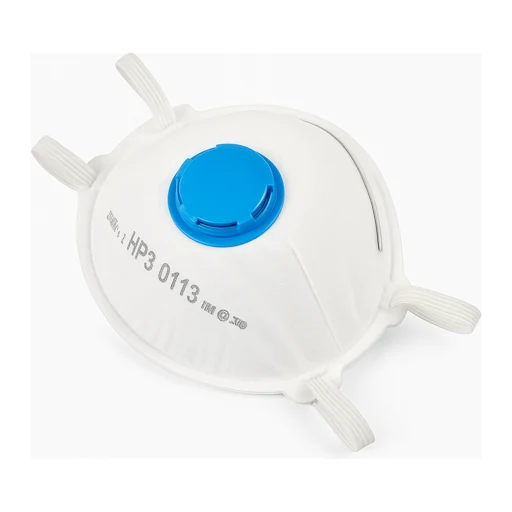
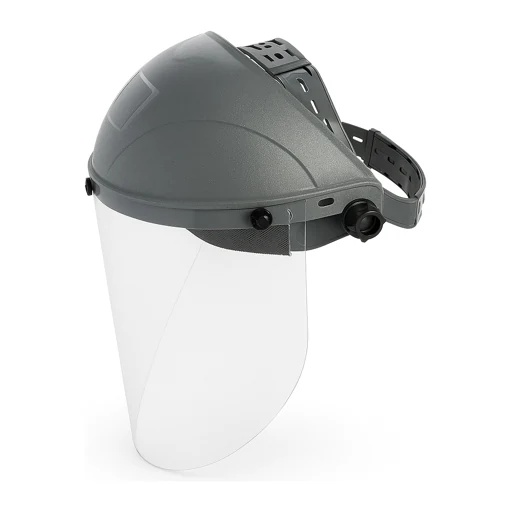
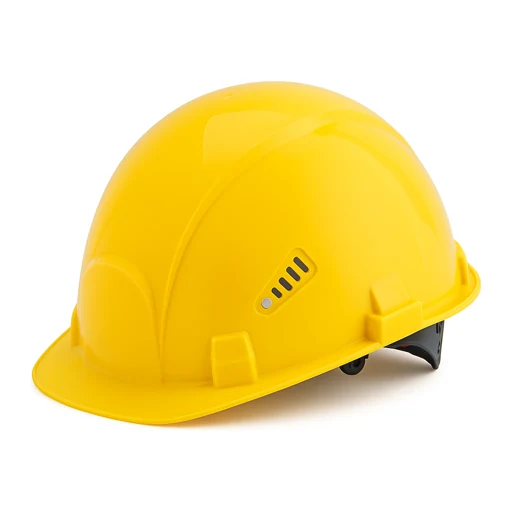
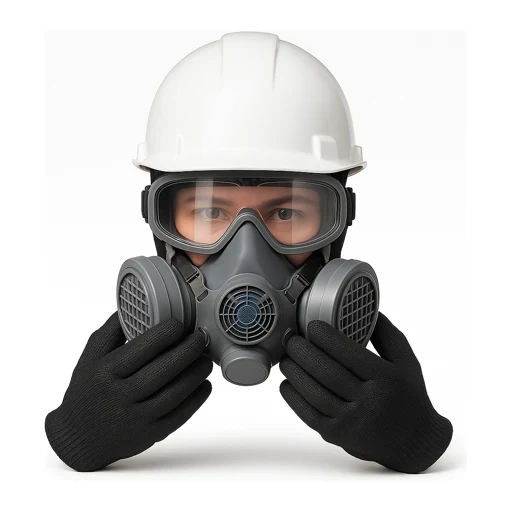
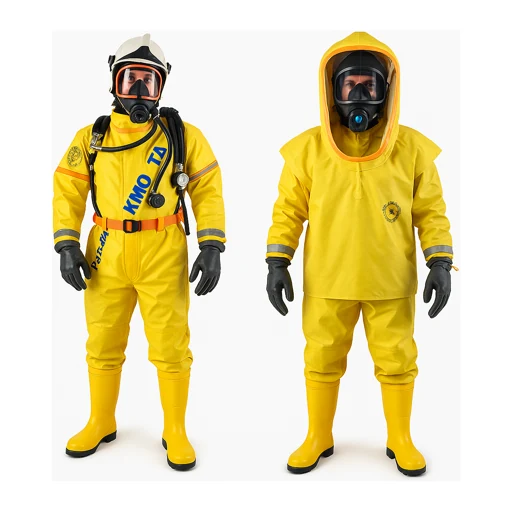
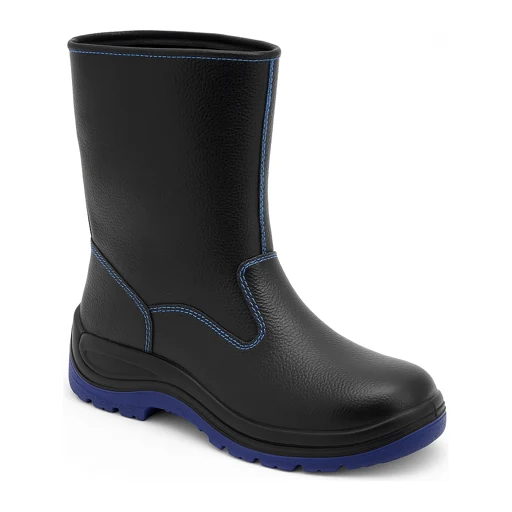
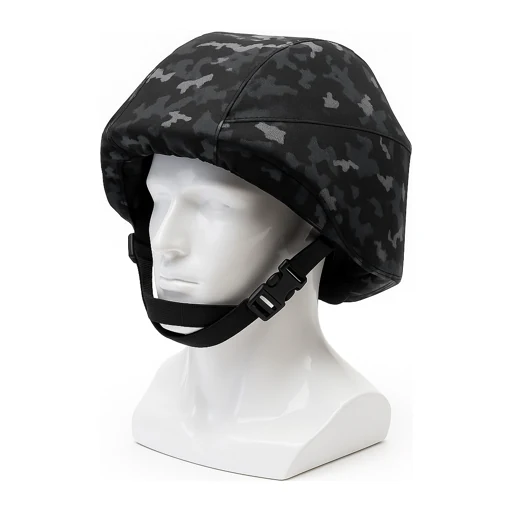
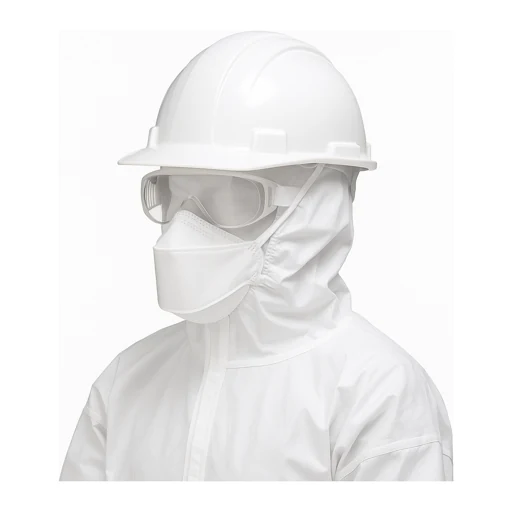
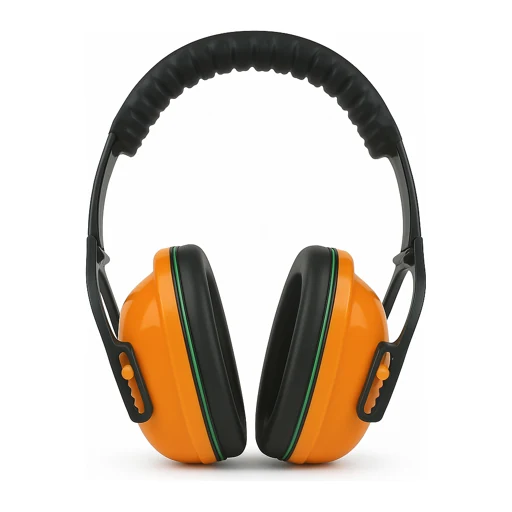
With 3,090 products from 292 manufacturers, personal protective equipment is one of the largest sourcing pools on the marketplace — and one where Russian factories are most export-ready. Respiratory protection dominates (894 items: filtering half masks, full-face masks, filters and powered systems), followed by eye and face protection (595), head protection (449), workwear (375), thermal and chemical protective clothing (202), protective footwear (122), dielectric electrical protection (122), plus hearing protection, high-visibility clothing and biosafety lines.

The competitive base is structural: Russia maintains enormous domestic PPE consumption across mining, metallurgy, oil and chemicals, with certification under EAEU technical regulation TR CU 019 — test methods aligned with the European EN series. Filtering respirators are a particular heritage product, manufactured at scale for decades. For distributors and industrial end users in the Middle East, Africa, Central Asia and Latin America, factory-direct pricing plus dense packing makes landed costs hard to beat in the mid-market segment.

  • Volume model: cartons for trials, mixed pallets for first orders, containers for distribution
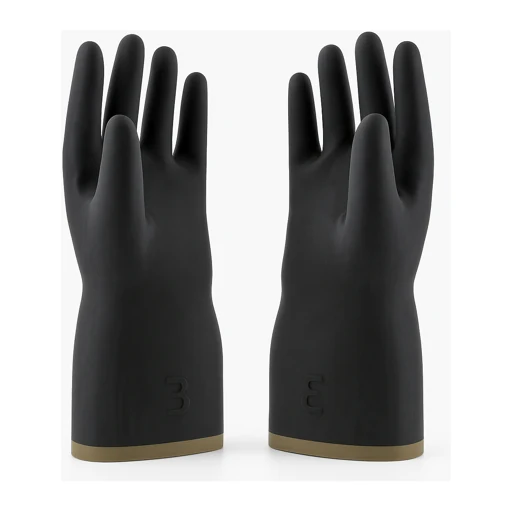
  • Private label: widely offered on respirators, glasses, gloves and workwear from moderate runs
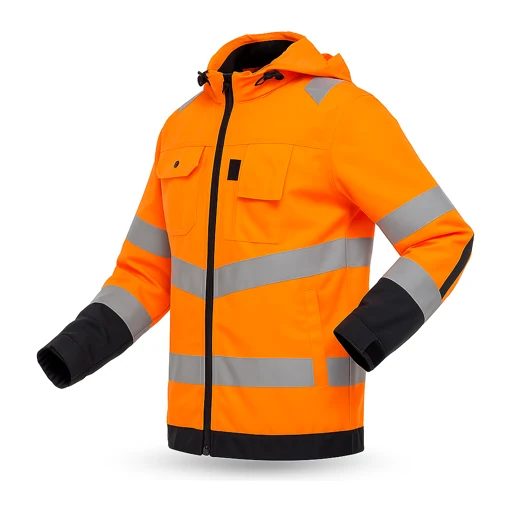
  • Workwear sizing: cut to your size charts; summer-weight fabrics available for hot climates
  • Terms: EXW or FOB Novorossiysk / St. Petersburg; overland delivery across Central Asia
  • Paperwork: EAC certificates, batch test protocols, instruction leaflets per language requirement

Send your assortment list with target volumes through Tonzar and let several factories compete on the quotation.

FAQ

How do Russian respirator filtration classes map to FFP and N-series ratings?
Russian filtering half masks are tested under TR CU 019 using methods aligned with European EN 149; protection classes correspond to the FFP1/FFP2/FFP3 logic, and documentation states penetration and breathing-resistance figures you can compare directly. If your tender specifies EN 149 or NIOSH wording explicitly, ask the factory which models carry additional international certificates.
Can workwear be adapted for hot climates and our corporate identity?
Yes — factories routinely produce lightweight breathable variants of standard workwear lines for hot regions, and customization covers your corporate colors, logos, reflective tape layout and local size charts. Sampling takes 2–4 weeks. Minimums for customized garments typically start around 100–300 sets per model; stock designs ship without minimum adaptation runs.
What does a typical first order look like for a PPE distributor?
A common pattern: a trial carton order across 10–20 SKUs by air or parcel service, then a mixed pallet or part-container combining respirators, glasses, helmets and gloves from one or two factories. A 20-foot container of mixed PPE typically covers a regional distributor's quarter. Suppliers consolidate shipments and prepare unified export documents.
Are shelf lives a concern for respirators and dielectric gear?
Filtering respirators and gas-mask filters typically carry 3–5 year shelf lives from production date — confirm remaining shelf life in the contract so you receive fresh stock. Dielectric gloves and boots require periodic electrical retesting per their manuals once in service. Helmets and glasses have service-life guidance printed in their passports.
How are batch quality and consistency controlled for repeat orders?
Each production batch carries test protocols — filtration efficiency for respirators, impact tests for helmets and eyewear, seam strength for garments. For ongoing supply, agree a sampling inspection plan: factories accept third-party inspection (SGS-type) before shipment at buyer expense, which is the standard reassurance mechanism for distributors building a brand on these products.
What are realistic production lead times at container scale?
Stock items ship within 1–2 weeks. Production runs of standard models typically need 25–45 days at container volume; customized workwear adds sampling time upfront. Sea freight to the Gulf or East Africa adds 4–7 weeks from Novorossiysk; Central Asian buyers receive trucks overland in 1–3 weeks, which suits replenishment cycles well.