

Products — Intrusion Detection & Alarm

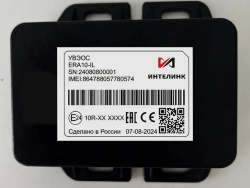
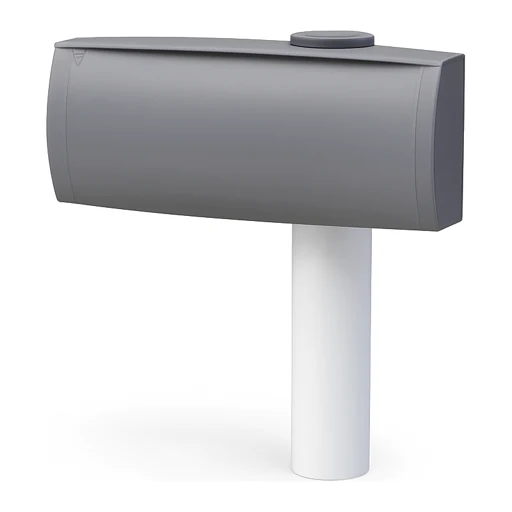
Emergency Services Call Device ERA10-IL

Emergency Services Call Device ERA10-IL

$30-180
INTELLINK TECHNOLOGY LLC 🇷🇺

Intrusion Detectors That Earn Their Keep: From Reed Switches to Buried Perimeter Cable

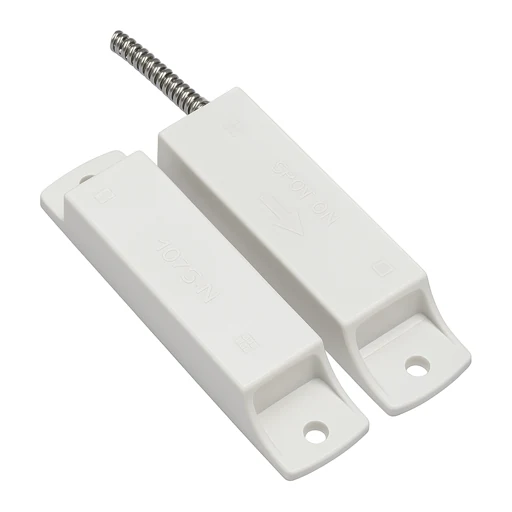
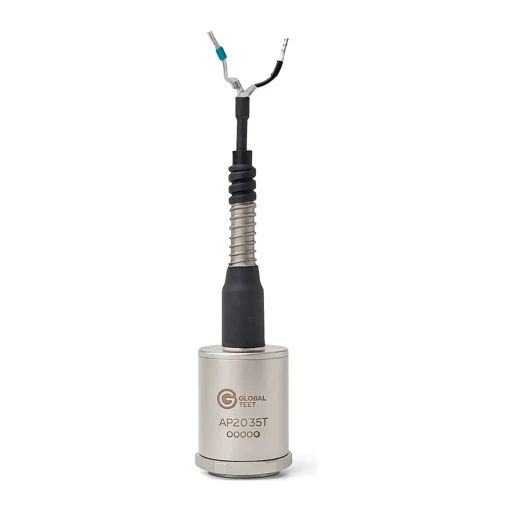
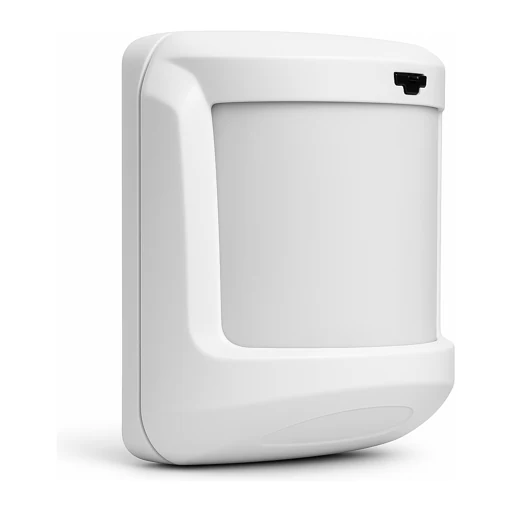
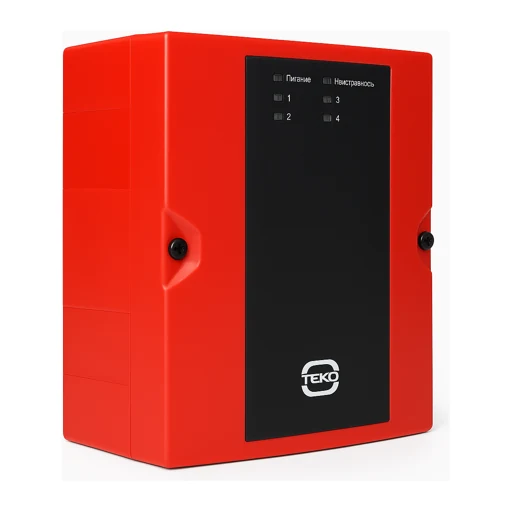
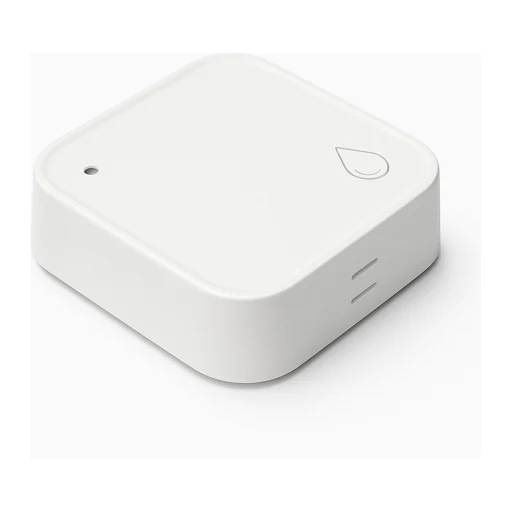
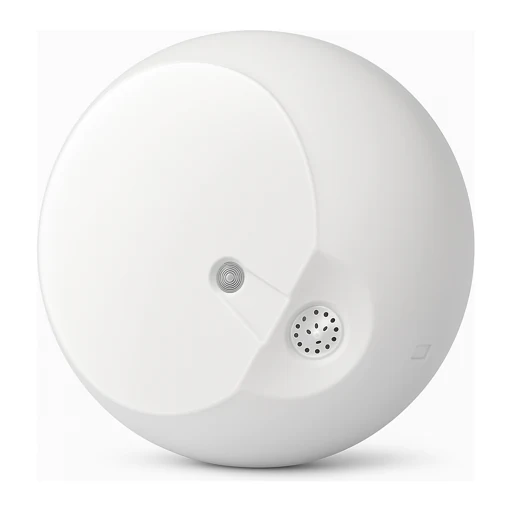
Intrusion detection is a market where reliability statistics matter more than brochures — a detector that false-alarms nightly costs guards, fuel and credibility. The 441 products from 76 Russian manufacturers in this section cover the full sensing spectrum: magnetic contact and reed switch detectors (105 items), vibration, seismic and shock detectors (78), motion and dual-technology detectors (65), perimeter optical and microwave detectors (56), triboelectric and seismic perimeter cable systems (26), glass break detectors, panic buttons (39), and alarm control panels.

Perimeter protection is the standout specialty. Russian engineers have decades of experience securing very long fence lines and open terrain in extreme weather — the microwave bistatic detectors, buried cable sensors and vibration systems here descend from that school and are priced for kilometers, not meters. For integrators protecting solar farms, substations, warehouses, farms and compounds across Africa, the Middle East and Latin America, this is one of the more cost-effective sourcing routes available.

  • Detection range: microwave barriers typically cover 50–300 m per pair; cable systems run per zone length
  • Climate tolerance: designed for minus 40 to plus 50–60 degrees Celsius operation
  • Integration: relay outputs as standard; addressable and IP options on many models
  • Terms: EXW or FOB St. Petersburg; small consignments go economically by air
  • Paperwork: EAC declarations, datasheets, alignment and installation manuals

Sketch your perimeter length and site conditions in a request — manufacturers will return a sensor layout proposal with quoted equipment lists.

FAQ

How do microwave perimeter detectors handle vegetation, animals and weather?
Bistatic microwave pairs create a detection volume between transmitter and receiver and are tuned to ignore small animals and rain while catching a crawling or walking intruder. They need a cleared strip — typically a few meters wide — free of moving vegetation. For sites where clearing is impossible, vibration cable on the fence is the usual alternative.
Can these detectors connect to alarm panels and VMS platforms we already use?
Practically all perimeter and indoor detectors provide dry relay outputs, which connect to any alarm panel or I/O module regardless of brand. Some product lines add RS-485 or IP interfaces for addressable monitoring. If you need events inside a specific video management system, integration usually goes through the panel or an I/O gateway.
What does a 1 km perimeter protection package roughly involve?
A typical configuration combines microwave barriers or buried/fence-mounted cable across straight sections, with vibration detectors on gates and corners, feeding zone inputs on a control panel. Suppliers will engineer the layout from your site plan. Equipment cost scales mainly with zone count; installation is well within the capability of a local low-voltage contractor.
What is the minimum order — can I trial a few units first?
Yes, evaluation orders of one or two detector pairs are normal and recommended before committing to a long perimeter. Indoor detectors ship from carton quantities. Trial units ship by courier in 1–2 weeks; production quantities typically need 20–40 days. Many integrators validate on one site, then order per project.
How are warranty claims handled across borders?
Standard warranty is 12–36 months depending on manufacturer. Failed units are diagnosed remotely first — most issues turn out to be alignment or wiring and are solved by correspondence. Genuine hardware failures are replaced by courier shipment; for ongoing partners, suppliers often ship advance replacements and reconcile with the next order.