

Products — Gas, Radiation Detection & NDT

Gas Analyzers, Radiation Monitors and NDT Instruments for Industrial Safety Programs

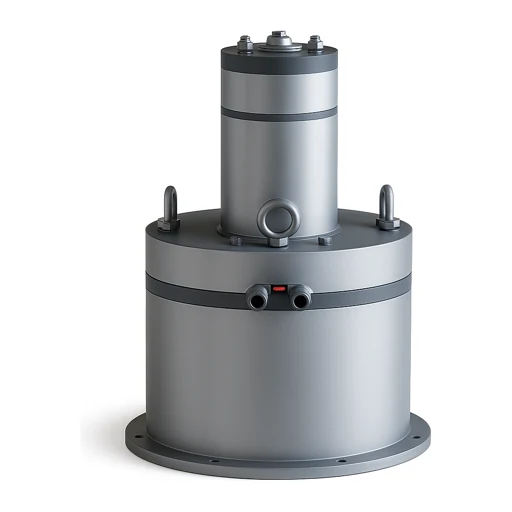
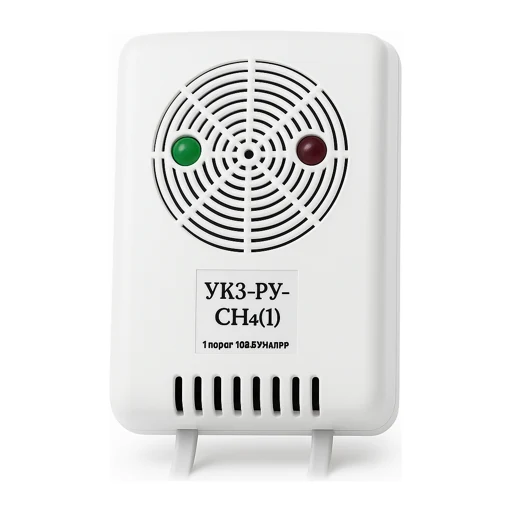
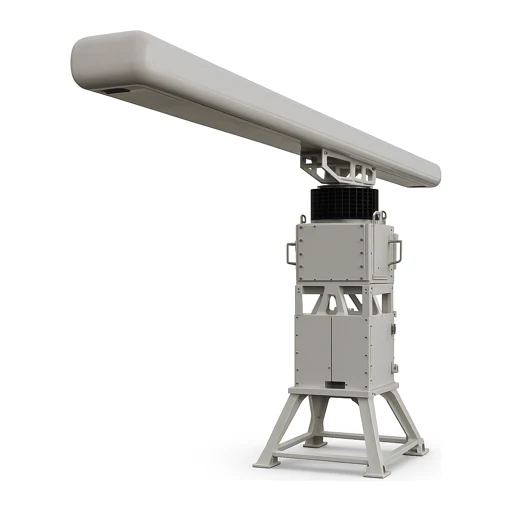
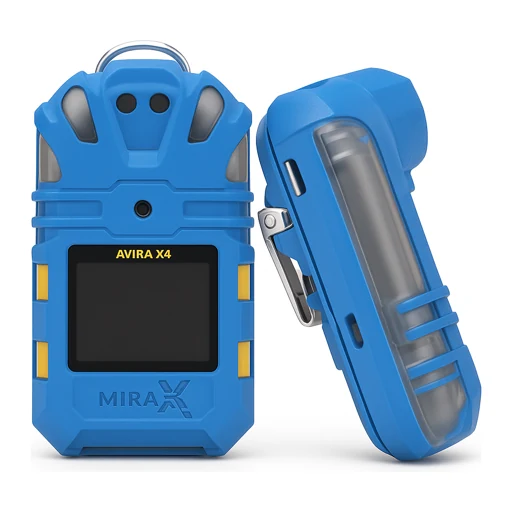
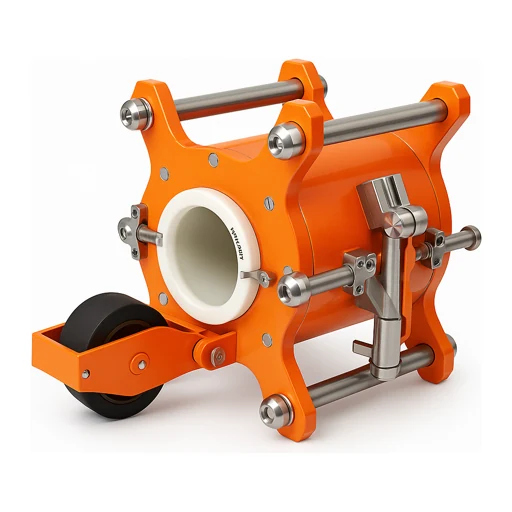
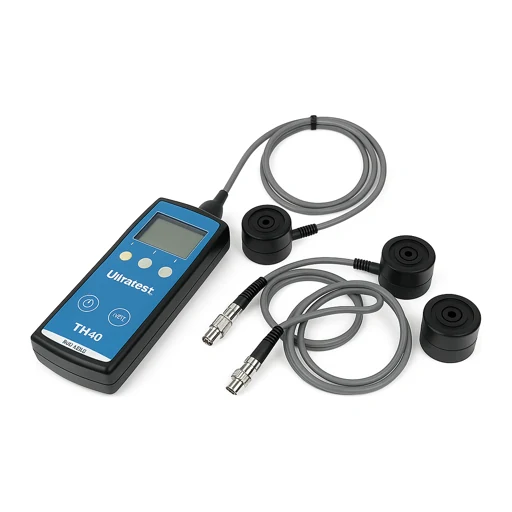
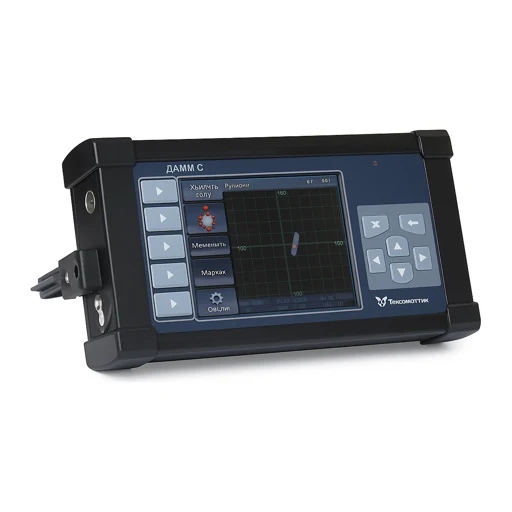
This is a category for technically minded buyers: 293 instruments from 114 manufacturers covering three adjacent disciplines. Radiation monitoring and spectrometry systems lead the count (86 items), followed by stationary gas alarms and leak-monitoring systems (78), portable gas analyzers (25), dosimeters (18), and a solid non-destructive testing block — magnetic particle and magnetic flaw detectors (20), ultrasonic flaw detectors and related NDT systems, plus search instruments, geophones and radar systems (26).

Russia's instrument-making tradition in radiation measurement goes back generations and remains a genuine strength: dosimeters, spectrometers and portal monitors are produced by specialized institutes-turned-manufacturers with deep calibration expertise. Gas detection grew alongside the oil and gas industry, with stationary systems for methane, hydrogen sulfide, CO and combustibles. Buyers in mining, energy and customs/border applications across Africa, Central Asia and Latin America will find equipment that does the measurement honestly without the licensing-heavy pricing of premium Western brands.

  • Calibration: instruments ship calibrated with certificates; many support local recalibration
  • Configurations: portable handhelds, stationary multi-channel systems, vehicle and portal monitors
  • Order size: from a single instrument — typical first orders are 1–10 units for evaluation
  • Terms: EXW or FOB St. Petersburg; instruments usually travel by air courier
  • Documentation: verification certificates, manuals, communication protocol descriptions

State the substances or radiation types you need to detect and the environment — manufacturers will propose specific instrument models through your sourcing request.

FAQ

Are instruments delivered calibrated, and how do we recalibrate later?
Yes — instruments ship with factory calibration and verification certificates. For gas detectors, recalibration uses standard test-gas cylinders available internationally; manuals describe the procedure. Radiation instruments typically hold calibration for 12–24 months; recalibration can be done at national metrology labs in your country or by returning the unit to the factory.
Which gases can stationary monitoring systems cover?
Common channels include methane and combustible hydrocarbons, hydrogen sulfide, carbon monoxide, oxygen depletion, ammonia and chlorine. Multi-channel controllers combine sensor points across a site with relay outputs for ventilation and alarms. Provide your gas list and points count, and suppliers will configure a system with appropriate sensor types.
Can radiation portal monitors be used for scrap metal and border screening?
Yes — vehicle and pedestrian portal monitors for detecting radioactive sources in cargo are an established Russian product line used at scrap yards, customs posts and metallurgical plants. They detect gamma and often neutron radiation with adjustable alarm thresholds. Installation is straightforward; suppliers provide siting recommendations and detection sensitivity data.
Do NDT flaw detectors come with training or just a manual?
Standard delivery includes detailed manuals and calibration blocks where applicable. NDT results depend heavily on operator skill, so factor in training: some manufacturers offer remote training sessions in English, and detailed methodology documents are available. For magnetic particle and ultrasonic equipment, your inspectors' existing certification under ISO 9712 transfers directly.
What is the warranty and typical service approach for precision instruments?
Warranties typically run 12–24 months. Service is remote-first: diagnostics by correspondence, replacement sensors and boards shipped by courier. Electrochemical gas sensors are consumables with 2–3 year lifetimes — order spares with the instrument. For complex spectrometry systems, discuss a service agreement covering calibration sources and software updates.