
Products — Printers & Office Equipment

3D Printers Lead an Office Equipment Catalogue with an Industrial Accent

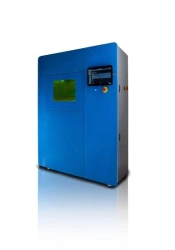
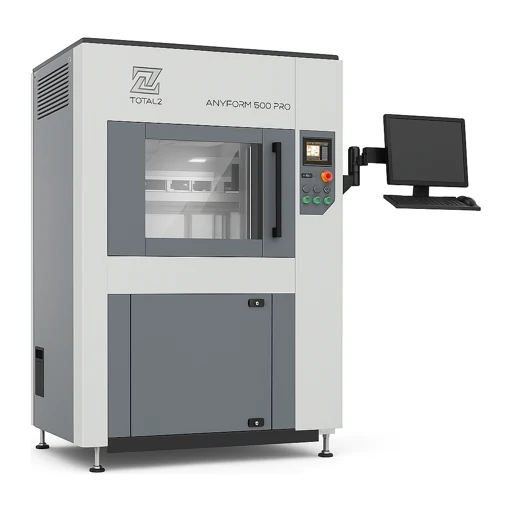
The proportions of this 214-item section tell their own story: 3D printers are the largest group with 76 positions, ahead of scanners (28), multifunction printers (12), laser printers (8) and a varied block of specialised office hardware — fiscal cash register systems, document shredders, laminators and printing consumables — from 79 suppliers in total. It is less a stationery aisle than a working-equipment catalogue for businesses that print, scan, register sales and prototype parts.

The 3D printing cluster deserves the most attention from importers. Russian makers build FDM machines from desktop format up to large-frame engineering printers, generally with open-material policies — printers accept standard filaments from any producer rather than locking buyers into proprietary cartridges. For universities, technical schools, fab labs and small manufacturers across the Middle East, Central Asia and Africa, that openness plus aggressive pricing is the core of the offer.

  • 3D printing: desktop to large-format FDM machines with open material systems
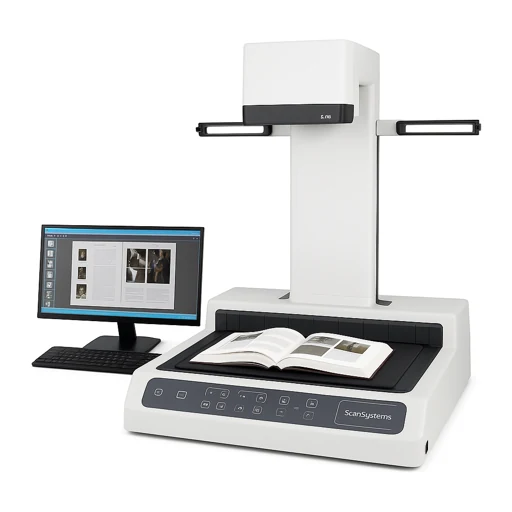
  • Imaging: document scanners and multifunction printers for office workflows
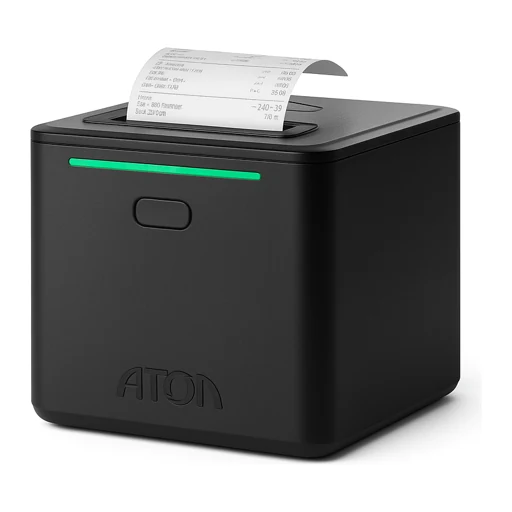
  • Fiscal hardware: cash register systems and receipt printers for retail projects
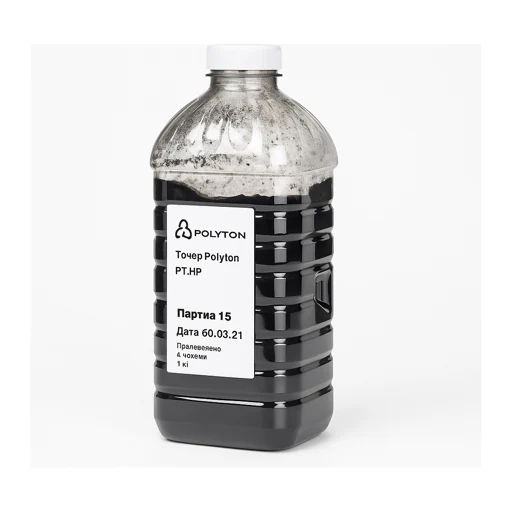
  • Consumables: toners and printing supplies suitable for recurring import
  • Terms: EXW or FOB; printers are bench-scale cargo, air freight is practical

Outline your use case — education lab, print bureau or retail chain — in a sourcing request and suppliers will quote equipment with the right consumable and service plan.

FAQ

Which materials do the 3D printers work with?
Most machines are open-material FDM printers handling standard filaments — PLA, PETG, ABS and, on models with heated chambers and hardened nozzles, engineering plastics with fillers. You can source filament locally or from any international supplier; there is no cartridge lock-in on typical models.
Is the printer software available in English?
Russian 3D printers generally work with widespread open slicing software, which is available in English and many other languages, while machine firmware menus on export-oriented models include English. Confirm interface languages for the specific model if you are equipping classrooms where this matters.
What support can a university or fab lab expect after purchase?
Standard support includes English documentation, remote troubleshooting and spare parts by courier — nozzles, belts, boards and hotend assemblies are inexpensive and light. For education projects of ten or more machines, suppliers often add training sessions by video and a starter spare kit per fleet.
Are cash register systems usable outside Russia?
The hardware — thermal printing, displays, interfaces — is standard, but fiscal compliance is country-specific. Some buyers use the machines as receipt printers and POS terminals with their own software; full fiscal certification in your jurisdiction requires local approval. Clarify your regulatory needs in the inquiry.
What does shipping look like for a mixed office equipment order?
Printers, scanners and 3D printers are boxed bench-scale goods that consolidate easily onto pallets; orders up to a few dozen units frequently go by air at reasonable cost. Larger consignments travel by truck to Central Asia in two to three weeks or by sea elsewhere, EXW or FOB terms.