
Products — Antennas & Wireless

Antennas and Wireless Hardware: From GNSS Receivers to Measurement-Grade Horns

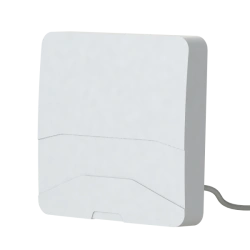
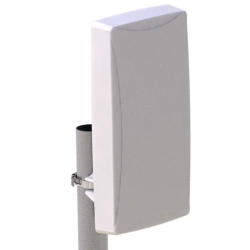
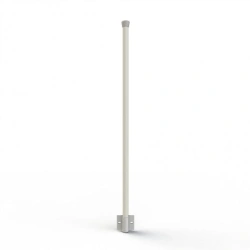
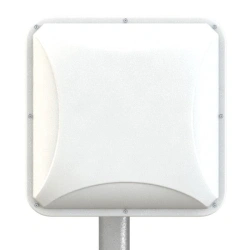
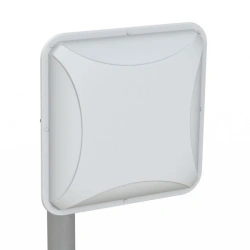
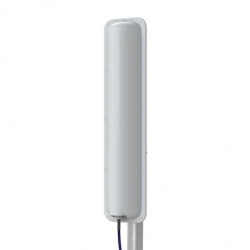
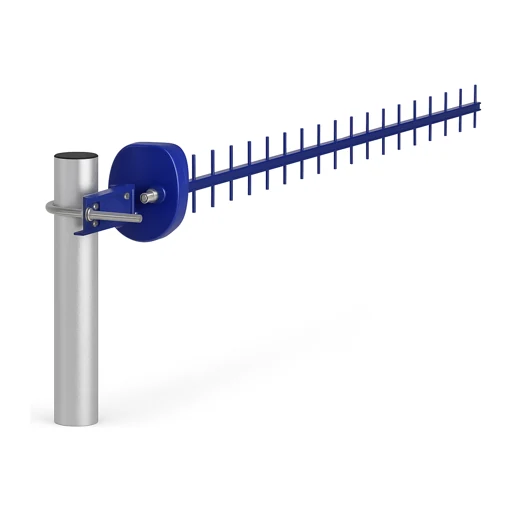
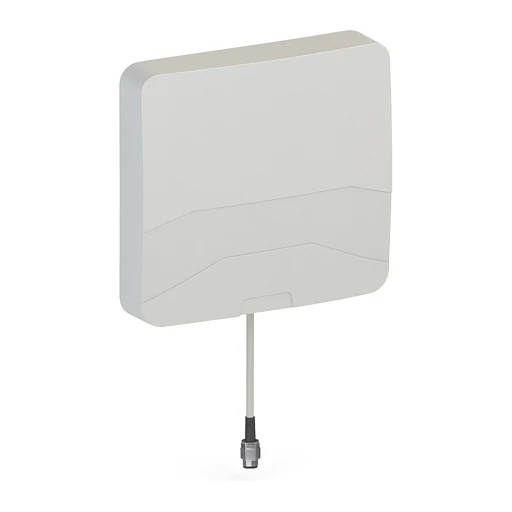
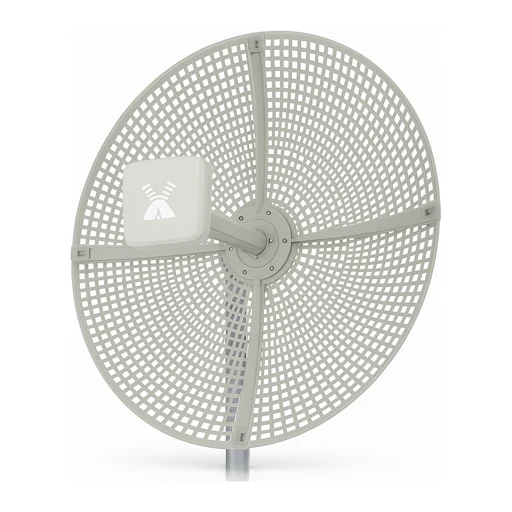
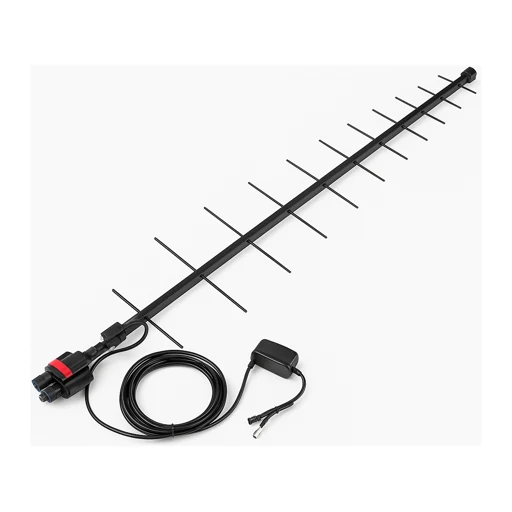
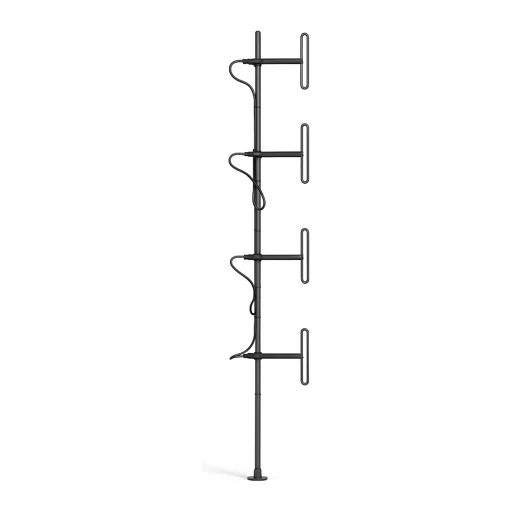
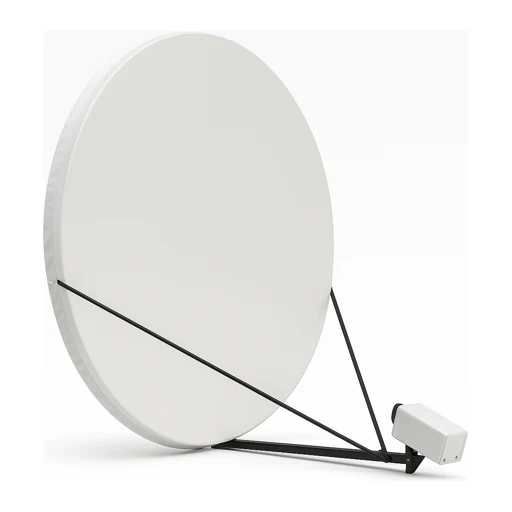
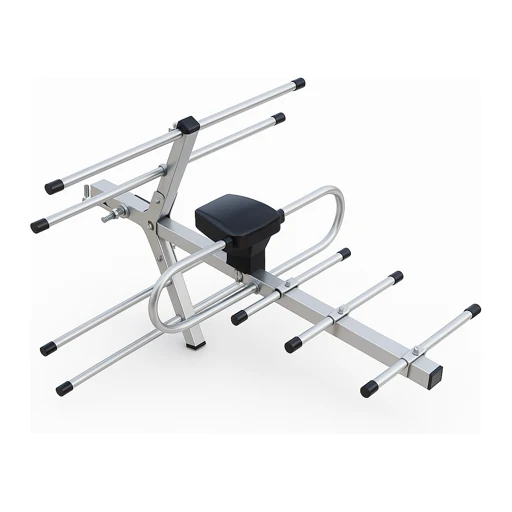
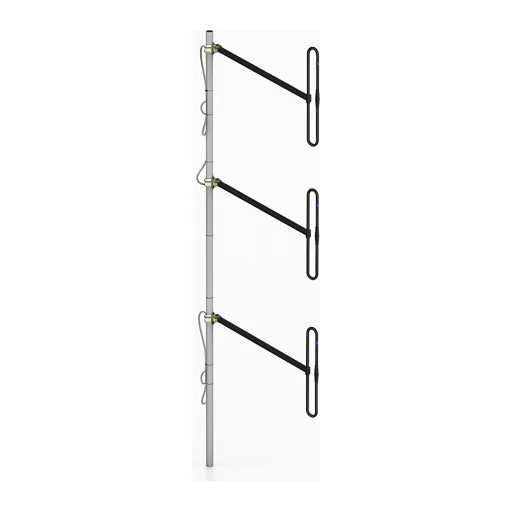
The 624 listings here, supplied by 113 manufacturers, go far beyond television aerials. The largest blocks are general-purpose antennas (117 positions), GNSS receivers, antennas and trackers (99), MIMO antennas (65), GSM/4G/5G antennas (64) and TV antennas (58), supported by VHF/UHF and satellite antennas, feedhorns, waveguides and dipoles. A distinctive layer is measurement-grade equipment — calibrated horn and log-periodic antennas used in EMC testing and radio monitoring laboratories.

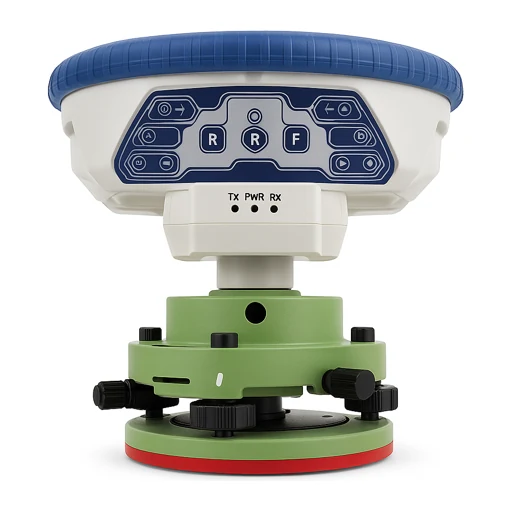
Satellite navigation is a genuine Russian strength: as the operator of GLONASS, the country maintains a deep engineering base in multi-constellation GNSS receivers and antennas used in surveying, machine control and fleet tracking. Cellular and Wi-Fi antennas address a more commercial need — extending 4G coverage in rural and desert regions, which is precisely the geography many buyers on this marketplace work in.

  • GNSS: multi-constellation receivers and antennas for surveying and tracking
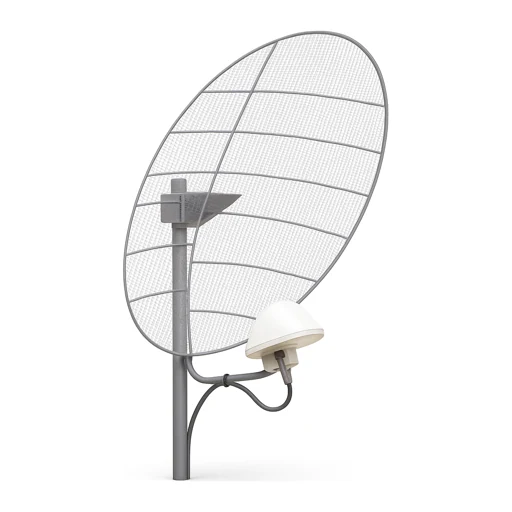
  • Cellular: directional and MIMO antennas for fixing weak 4G/5G coverage
  • Broadcast: TV and satellite reception equipment for distribution markets
  • Laboratory: calibrated measurement antennas for EMC and spectrum work
  • Logistics: most items are light and courier-friendly; EXW or FOB for volume

State your frequency bands and application in a sourcing request — antenna selection is exact science, and suppliers respond best to concrete radio parameters.

FAQ

Do GNSS receivers work with GPS and other constellations, not only GLONASS?
Modern Russian GNSS equipment is multi-constellation by design, tracking GPS, GLONASS and typically Galileo and BeiDou as well. Using several systems simultaneously improves accuracy and reliability, especially in difficult terrain. Confirm the supported constellations and correction formats on the specific model's datasheet.
Can antennas be tuned to the frequency plan of our country?
Yes. Cellular bands differ by market, and manufacturers produce antenna variants for specific frequency allocations or design custom elements for project quantities. Send your operators' band list (for example B3, B7, B20) and suppliers will match or adapt models accordingly.
Are calibration certificates supplied with measurement antennas?
Measurement-grade horn and log-periodic antennas ship with factory calibration data, and accredited calibration with traceable certificates can be ordered additionally. State your laboratory's accreditation requirements when ordering so the documentation matches your quality system from day one.
What is the minimum order quantity in this category?
Most antennas and receivers are sold from 1 unit, which suits pilot installations and lab purchases. Distribution pricing typically starts at 50 to 100 pieces for consumer-grade antennas. Because the goods are light, trial orders ship economically by international courier within about a week.
What documentation accompanies radio equipment for customs and regulators?
Shipments include commercial documents, technical datasheets and EAC declarations where applicable. Radio transmitting equipment may require type approval in your country — receivers and passive antennas usually face no such requirement. Suppliers provide frequency and power specifications needed for your regulator's process.