

Products — Industrial Refrigeration

Cold Chain Hardware: Refrigeration Units, Blast Freezers and Modular Cold Rooms

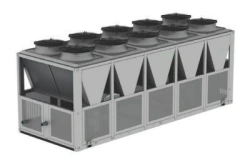
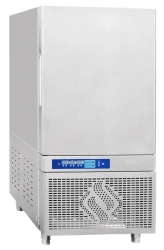
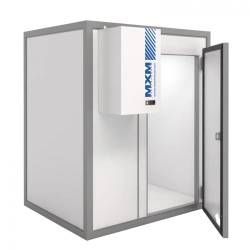
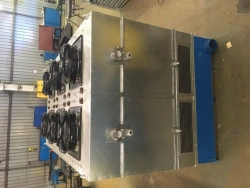
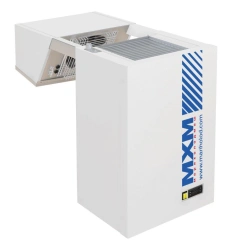
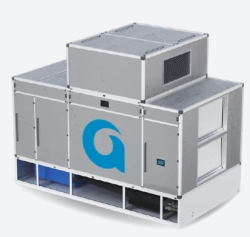
This is the food-industry end of refrigeration — 389 positions from 97 suppliers covering compressor-condensing refrigeration units (117 listings), air coolers (45), blast freezers (33), condensers (18), monoblock units (17), modular cold rooms (12) and industrial chillers, along with refrigerated display cases for stores. The buyer profile is equally specific: meat and fish processors, dairy plants, fruit exporters, cold storage operators and supermarket contractors.

Russia runs one of the world's larger cold chains across extreme climate zones, and its refrigeration builders export equipment that reflects that practice: condensing units sized with honest reserves, blast freezers designed for continuous loading cycles, and cold room panels cut for fast on-site assembly. Several display lines already run on propane (R290), aligning with the global shift to natural refrigerants. Compared with European brands the price difference is substantial; compared with the cheapest Asian imports, the build weight and component quality are usually visibly higher.

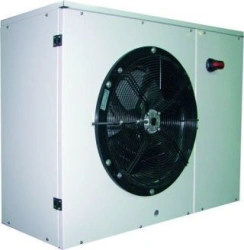
  • Condensing units: medium- and low-temperature, for cold rooms and process cooling
  • Blast freezing: shock freezers and tunnels for meat, fish, bakery and produce
  • Modular rooms: sandwich-panel cold and freezer rooms, flat-packed for shipping
  • Retail cold: display cases and showcases in medium and low temperature versions
  • Terms: EXW or FOB Novorossiysk / St. Petersburg; panels and units containerise efficiently

Outline your products, daily throughput and ambient conditions in a sourcing request, and refrigeration plants will respond with sized configurations and budgets.

FAQ

Can suppliers design a complete cold room for our facility?
Yes — this is standard practice. Send room dimensions, target temperature, the goods to be stored and your ambient climate, and the supplier proposes a panel layout with matched condensing unit and air coolers, including drawings. Equipment then ships flat-packed with assembly instructions for local contractors.
Which refrigerants are these systems built for?
Commercial equipment commonly uses R404A, R449A or R290 (propane) depending on the line; industrial systems can be built for other media by agreement. If your country restricts specific refrigerants or your technicians prefer one, state it upfront — factories configure compressors and valves accordingly.
How well does the equipment handle hot climates?
Condensing units and condensers can be selected for elevated ambient temperatures typical of the Gulf, Africa and Central Asia — the key is honest capacity selection at your real summer conditions rather than catalogue ratings. Provide your maximum ambient and the factory sizes condensers with the required reserve.
What does delivery look like for a blast freezer or cold room?
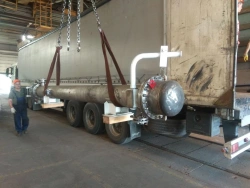
Modular panels, doors and refrigeration kits load efficiently into standard containers; a medium cold room project typically fits one 40 ft unit. Production runs 30 to 60 days for configured equipment. Sea freight serves the Gulf, Africa and Latin America; Central Asian buyers usually take direct trucks.
Is commissioning support provided?
Suppliers provide refrigerant charging data, electrical schematics and remote start-up support as standard; any competent refrigeration contractor can commission the systems. For larger plants — blast tunnels or multi-room facilities — a factory engineer can supervise installation on site for an agreed fee.