
Products — Industrial Fans

Axial, Radial and Smoke-Extraction Fans Built for Dust, Heat and Corrosive Air

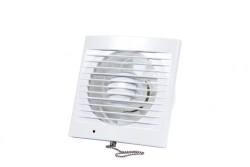
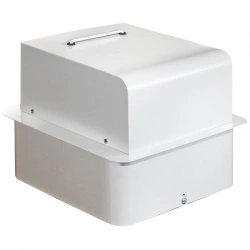
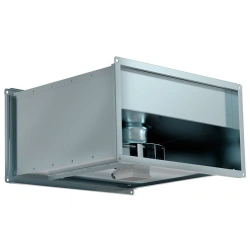
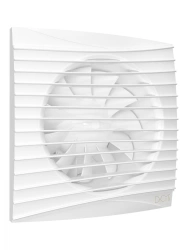
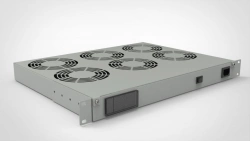
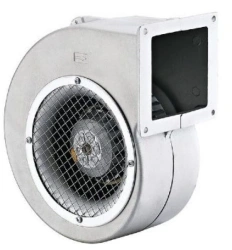
These 348 listings from 41 manufacturers are not office ventilators. The catalogue leans firmly industrial: axial fans (201 positions), centrifugal and radial machines (28), inline duct fans (24), roof fans (24), and dedicated smoke extraction units (8) including extractors for boiler flue systems, cement plants and gas-cleaning installations. Special builds appear throughout — titanium-bodied fans for acid vapour, spark-proof designs, and high-temperature smoke exhausters.

Russian fan plants supply mines, metallurgical works and power stations at home, which shapes what they export: welded steel impellers, generous motor margins, and balancing done for continuous duty rather than nameplate-only performance. For buyers in cement, mining, food processing and commercial construction across the Middle East, Africa and Latin America, that means industrial-grade hardware at prices closer to light-commercial equipment.

  • Axial fans: general ventilation and process air movement in a wide diameter range
  • Radial / centrifugal: higher-pressure duties, dust-laden and hot gas streams
  • Smoke extraction: fire-mode roof and duct units, boiler draft machines
  • Corrosion service: stainless and titanium constructions for chemical environments
  • Terms: EXW or FOB; large-diameter fans ship disassembled to cut freight volume

Describe the airflow, pressure and the nature of the gas stream in a sourcing request — factories will select a wheel and motor rather than just quote a model number.

FAQ

Can fans be supplied for 60 Hz power networks?
Yes, but it must be stated at order time. A 50 Hz fan run at 60 Hz overspeeds, changing airflow, pressure and motor load. Factories either fit 60 Hz motors or re-select the impeller for your frequency, and the performance curve is recalculated accordingly.
Are explosion-proof or spark-proof versions available?
Many models are produced in explosion-protected configurations with appropriate motors and non-sparking impeller materials for dust- or vapour-laden atmospheres. Specify the hazard zone classification and the gas or dust group in your inquiry so the factory certifies the correct construction.
What materials are offered for corrosive air streams?
Beyond painted carbon steel, suppliers build fans in stainless steel, titanium and polymer-coated versions for acid vapours, humid exhaust and chemical processes. The right choice depends on the specific medium and temperature, so include a short description of the gas composition with your request.
How is a large industrial fan shipped and assembled?
Fans above roughly one metre in diameter usually travel partially disassembled — housing, impeller and motor crated separately — which significantly reduces freight cost. Assembly drawings, alignment instructions and balancing records are included, and most mechanical contractors can complete installation without factory personnel.
What documentation comes with smoke extraction fans?
Fire-duty fans ship with certificates confirming high-temperature operation parameters under EAEU fire safety regulations, technical passports and test records. If your building code requires local fire certification, manufacturers provide test reports and technical files to support the national approval process.