
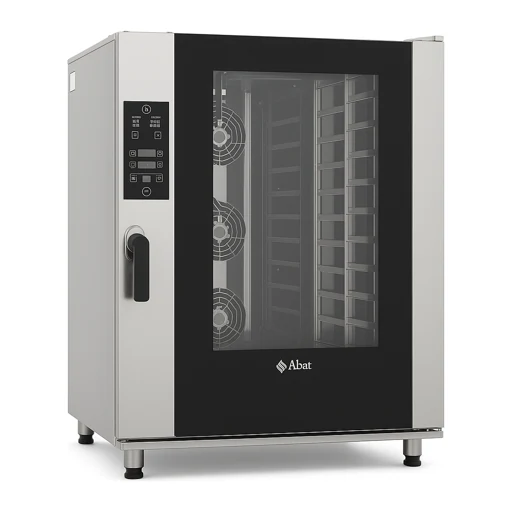
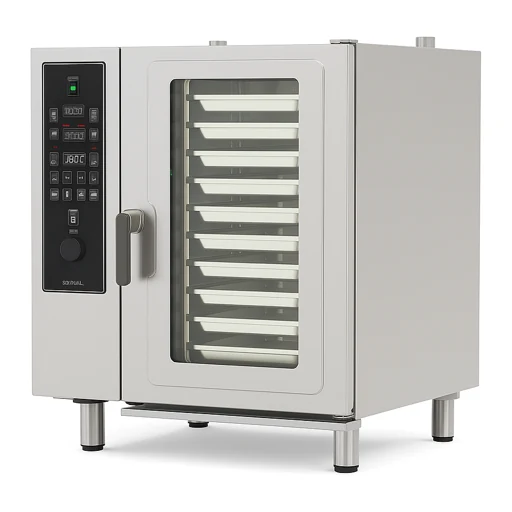
Products — Combi & Convection Ovens
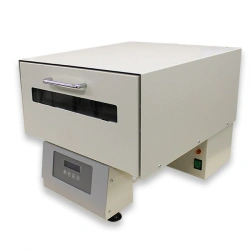
Infrared Convection Oven AПИК 2.2

Infrared Convection Oven AПИК 2.2

$900-3,000
VEGA-PRO LLC 🇷🇺
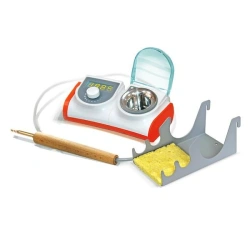
Steam Cleaning Device UPS 1.0 START

Steam Cleaning Device UPS 1.0 START

$300-960
VEGA-PRO LLC 🇷🇺
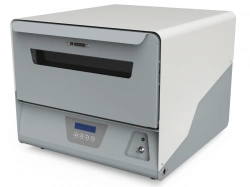
Infrared Convection Oven AПИК 2.2 ART

Infrared Convection Oven AПИК 2.2 ART

$900-3,000
VEGA-PRO LLC 🇷🇺
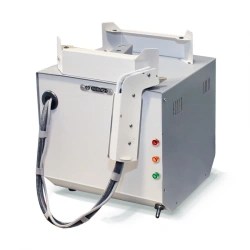
Steam Cleaning Device UPS 4.3 Geyser Art

Steam Cleaning Device UPS 4.3 Geyser Art

$900-3,000
VEGA-PRO LLC 🇷🇺

Convection and Combi Ovens for Bakeries, Restaurants and Institutional Kitchens

A focused professional category: 277 oven positions from 19 specialised Russian manufacturers, split between Convection Ovens (140 items) and Injection Combi Ovens (117). The range runs from compact 4-tray bake-off units for cafes and supermarkets to rotary rack ovens for industrial bakeries, including conveyor pizza ovens and proofing cabinets that pair with them.

Russian thermal equipment makers grew up supplying domestic bakery chains and institutional canteens, segments that buy on lifetime cost rather than brand. Their ovens are consequently built around serviceability: widely available heating elements, mechanical or simple electronic controls that a local technician can diagnose, and steel chambers sized for standard tray formats. For buyers in Central Asia, the Gulf and Africa replacing worn European units or equipping new bakeries, the price gap against Western brands is typically substantial at comparable capacity.

  • Steam injection: combi and bake-off models use direct injection humidification, simpler to maintain than boiler systems.
  • Tray compatibility: chambers accept standard bakery sheet and gastronorm formats, so existing trays usually carry over.
  • Power options: predominantly 380 V three-phase electric, with gas burners on selected rotary models.
  • Documentation: EAC conformity, wiring diagrams and spare-part catalogues ship with each unit.
  • Terms: EXW plant or FOB St. Petersburg; single-unit orders are accepted, crated for sea or road transit.

State your daily output, tray format and power supply in a sourcing request and manufacturers will size the oven for you.

FAQ

•What power supply do these ovens require?
Most convection and combi ovens run on 380 V three-phase, 50 Hz, matching grids across the CIS, Middle East and Africa. Smaller 4-tray units are often available in 220 V single-phase versions. State your grid parameters in the inquiry; for 60 Hz markets manufacturers confirm compatibility or adjust components.
•How is after-sales service handled without a local dealer?
These ovens are deliberately service-simple: heating elements, fans, gaskets and controllers are standard replaceable parts that factories ship by courier. Buyers typically order a starter spare kit with the oven. Wiring diagrams and service manuals are provided, so any commercial kitchen technician can perform repairs.
•Can the ovens use our existing baking trays?
Usually yes. Chambers are designed around standard bakery sheet sizes and gastronorm formats, so trays from your current ovens most often fit directly. Send your tray dimensions with the inquiry and the manufacturer will confirm chamber compatibility or supply matching tray sets with the oven.
•What is the difference between injection and boiler steam systems here?
The combi ovens in this range use direct steam injection: water sprays onto a hot element to create humidity. It gives slightly less precise humidity control than boiler systems but is cheaper, far simpler and tolerant of imperfect water quality, which is exactly why operators in hard-water regions prefer it.
•What does delivery of a single oven cost-effectively look like?
Ovens are bolted to pallets and crated, then shipped by consolidated truck to Central Asia and the Caucasus or LCL sea freight via St. Petersburg or Novorossiysk to other regions. Single units travel fine this way; from three to five units a dedicated shipment usually becomes cheaper per oven.