

Products — Plumbing & Valves

Industrial Equipment Sample 1

Type: Heavy-duty
Material: Steel
Warranty: 2 years

Industrial Equipment Sample 2

Type: Heavy-duty
Material: Steel
Warranty: 2 years

Industrial Equipment Sample 3

Type: Heavy-duty
Material: Steel
Warranty: 2 years

Industrial Equipment Sample 4

Type: Heavy-duty
Material: Steel
Warranty: 2 years

Industrial Equipment Sample 5

Type: Heavy-duty
Material: Steel
Warranty: 2 years

Industrial Equipment Sample 6

Type: Heavy-duty
Material: Steel
Warranty: 2 years

Industrial Equipment Sample 7

Type: Heavy-duty
Material: Steel
Warranty: 2 years

Industrial Equipment Sample 8

Type: Heavy-duty
Material: Steel
Warranty: 2 years

Water Meters, Gate Valves and Ball Valves in Wholesale Quantities

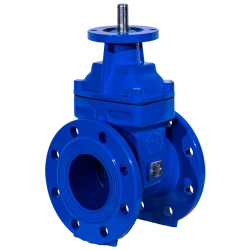
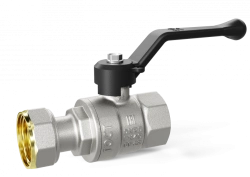
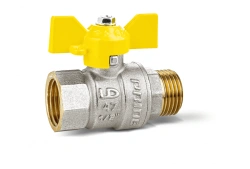
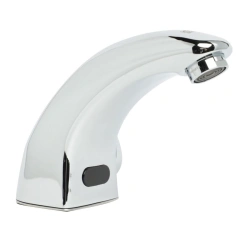
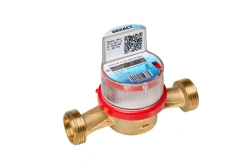
Flow control is the backbone of this 659-listing section supplied by 162 manufacturers — one of the widest supplier pools on the marketplace. Water meters lead with 184 positions, followed by 163 gate valves, 93 ball valves, general-purpose valves (32), brass valve lines, hydraulic separators (14) and faucets and mixers. A separate engineering cluster covers municipal water infrastructure: vacuum wastewater collection systems, treatment plant scrapers and stainless steel sanitary equipment for commercial kitchens and public facilities.

Russian valve plants serve domestic water utilities that operate under high pressure surges, sandy water and minimal maintenance budgets — conditions familiar to utilities across Central Asia, the Middle East and Africa. The result is conservatively engineered brass and cast-iron bodies, full-bore designs and spare-parts availability measured in decades. Water meters are produced with metrological verification under EAEU rules, and valve production follows GOST series with EN equivalents.

  • Wholesale basis: meters and brass valves from carton quantities (20–100 pieces); cast-iron gate valves from pallet lots.
  • Verification: water meters ship with initial metrological verification stamps and passports.
  • Marking: dial faces and bodies can carry the utility or distributor logotype on volume orders.
  • Terms: EXW or FOB Novorossiysk / St. Petersburg; rail and truck delivery across the EAEU and Central Asia.

Describe your sizes, pressure classes and annual volumes in a sourcing request to receive factory quotations.

FAQ

Are Russian water meters accepted by utilities in other countries?
Meters ship with metrological passports and initial verification under EAEU rules, which most CIS and Central Asian utilities accept directly. Elsewhere, acceptance depends on your national metrology authority; manufacturers support type-approval by providing technical files and test units. Clarify the approval route before contracting large municipal volumes.
What pressure and temperature ratings do the gate and ball valves carry?
Standard utility lines are rated PN10 to PN25 for water up to 90–150 degrees depending on seal material, with higher classes available for industrial series. Each valve carries its rating cast or stamped on the body, and batch test protocols confirm shell and seat tightness per GOST procedures that parallel EN 12266.
Can meters and valves be branded for our utility or distribution network?
Yes. On volume orders, plants print the distributor or utility name on meter dials, mould it into valve bodies or add it to labels and passports. Typical thresholds start around 500–1,000 units per SKU. Branding does not change the certification, which continues to reference the manufacturing plant.
What is a realistic lead time for a municipal tender volume?
Catalogue meters and valves in tender quantities — say 5,000–20,000 meters or several thousand valves — normally take 30–60 days in production, since plants schedule verification capacity in batches. Add 7–14 days trucking to Central Asia or 25–40 days sea freight to the Gulf and Africa. Plan tender delivery schedules around those windows.
Do suppliers stock spare parts and repair kits?
Yes, and this is a practical advantage of the category: seal kits, stems, wedges and meter mechanisms remain in production for many years because domestic utilities demand them. Order repair kits as a percentage of the main batch — 5 percent is a common rule — to keep your service department independent.