
Products — Concrete, Cement & Dry Mixes

Precast Concrete, Cement and Admixtures: Sourcing Structural Basics from Russia

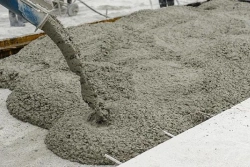
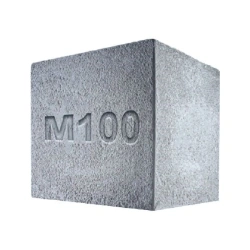
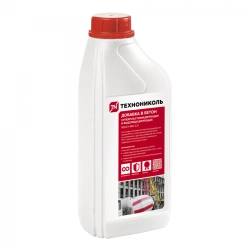
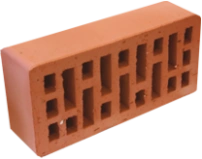
The 254 listings here from 92 suppliers cluster around three practical groups. First, precast concrete — 76 positions including frost-resistant foundation blocks, road drainage channels, manhole components and engineered reinforced elements. Second, the chemistry: 22 concrete admixtures such as strength accelerators, mortar stabilisers and plasticisers used by ready-mix plants. Third, the masonry and binder basics — ceramic bricks rated M-100 and above, building blocks, cement, dry construction mixes, plasters, putties and fillers.

For buyers in Central Asia and the Caucasus the economics are direct: heavy precast and brick travel well by rail from southern Russian plants, often landing cheaper than locally produced equivalents of comparable grade. Admixtures and dry mixes, being high-value-per-kilogram, ship economically by container anywhere. Structural products are manufactured and batch-tested to GOST standards, with strength class, frost resistance and water absorption stated on each product passport.

  • Typical orders: precast and brick from one railcar or truck; admixtures from 500 kg; dry mixes from one pallet per SKU.
  • Custom casting: precast plants accept production against your drawings, including non-standard channel and manhole geometries.
  • Documents: product passports, batch test protocols and EAC conformity papers travel with every consignment.
  • Delivery: rail across the EAEU, trucking to Central Asia in 7–14 days, or FOB Novorossiysk for sea cargo.

Submit a bill of quantities through the marketplace and suppliers will quote against your specification line by line.

FAQ

Can precast elements be produced to my project drawings?
Yes. Russian precast plants regularly cast non-catalogue items — drainage channels, foundation blocks, manhole rings and covers — against customer drawings. You provide dimensioned drawings and concrete class requirements; the plant returns a mould cost, unit price and production schedule. Tooling for a new shape typically takes 2–4 weeks before serial casting begins.
How do Russian cement and concrete grades map to EN 197 and EN 206?
Russian cement is classified under GOST 31108, which mirrors the EN 197-1 system, so CEM I 42.5 has a direct domestic equivalent. Concrete strength classes B25 or B30 convert to roughly C20/25 and C25/30. Suppliers provide conversion tables and mill certificates so your engineers can verify equivalence before approval.
Is exporting cement itself practical, or only products made from it?
Bagged cement is exported, but freight economics matter: it normally makes sense by rail to neighbouring EAEU and Central Asian markets, or by sea in big-bags from Black Sea ports for orders of 1,000 tonnes and up. For smaller volumes, dry mixes and admixtures usually offer better margin per container.
What documentation accompanies concrete admixtures?
Each admixture ships with a technical data sheet stating dosage range and effect, a safety data sheet, batch quality certificate and EAC conformity documentation. Manufacturers also provide trial protocols and recommended mix designs, and most will supply 20–50 kg test quantities so your ready-mix plant can run its own verification batches.
How is brick protected from transit damage on long routes?
Export brick is shrink-wrapped on pallets with corner protection and strapping rated for double handling. Contracts normally allow a breakage tolerance of around 2 percent for sea or combined transport. For long rail hauls, plants load directly into wagons with dunnage, which keeps damage rates lower than containerised double handling.