

Products — Aggregates & Stone

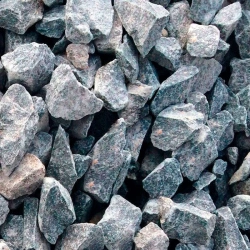
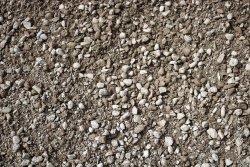
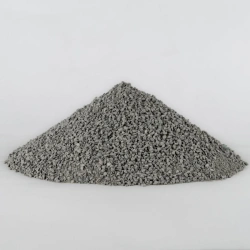
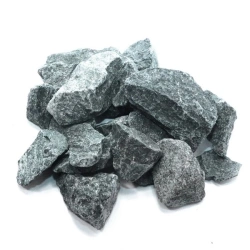
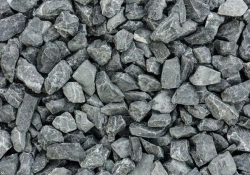
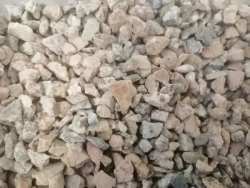
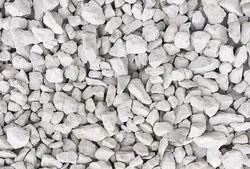
Diabase Crushed Stone for Construction and Landscaping

Diabase Crushed Stone for Construction and Landscaping

$9-30
ELOVSKOE TRANSSTROY LLC 🇷🇺

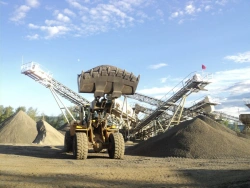
Crushed Stone, Granite and Gabbro-Diabase Shipped Direct from Russian Quarries

Russia sits on some of the largest hard-rock reserves in the world, and this category lists 352 positions from 57 quarries and aggregate traders. Crushed stone dominates with 120 general listings plus dedicated sections for granite (38), gabbro-diabase (33) and limestone (14) fractions. Alongside them sit 35 sand-gravel mixes, 24 construction sand positions, granite slabs and blocks (26), curb stones and gravel.

The strength grades are what set this material apart. Gabbro-diabase and granite ballast from northern and Ural quarries routinely reach high crushability grades and frost resistance classes under GOST 8267 testing — specifications written for Russian railways and federal highways. Fractions such as 25–60 mm railway ballast (GOST 7392) and 0–80 mm road-base mixes (GOST 25607) are produced in continuous volumes, so supply for large infrastructure contracts stays predictable.

  • Volumes: realistic orders start from a single railcar (around 69 tonnes) or one vessel hold; annual contracts of 50,000+ tonnes are common.
  • Logistics: rail delivery across the EAEU and into Central Asia, or bulk sea shipment from Black Sea and Baltic ports.
  • Quality control: each batch ships with laboratory protocols covering grain composition, flakiness, crushability and frost resistance.
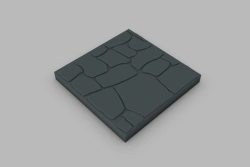
  • Special products: quartz flour and granules, polymer-sand composite curbs, dimension granite blocks for stone processing plants.

Send your tonnage, fraction and destination through the marketplace and quarries will quote delivered prices.

FAQ

What is the minimum economical order for crushed stone export?
Aggregates are a freight-driven product. By rail, one wagon of roughly 69 tonnes is the practical minimum; by sea, charters usually start from 3,000–5,000 tonnes. Below those volumes the logistics cost per tonne erodes the price advantage, so most exporters quote from railcar or vessel-lot quantities.
How do GOST aggregate grades compare to EN or ASTM specifications?
GOST 8267 tests cover the same properties as EN 12620 and ASTM C33: grain size distribution, flakiness, crushing resistance and freeze-thaw durability. Conversion tables exist, and suppliers can arrange testing of a control sample in an independent laboratory against your national specification before contract signing.
Can I receive samples before committing to a vessel lot?
Yes. Quarries routinely send 20–50 kg laboratory samples by courier, or a one-tonne big-bag by groupage freight, together with current batch test protocols. For railway ballast and concrete aggregate tenders, sampling and parallel testing in your country is the normal first step.
Which ports handle bulk stone shipments from Russia?
Black Sea terminals, including Novorossiysk and smaller Azov ports, serve the Middle East, North Africa and the Mediterranean. Baltic ports near St. Petersburg serve West Africa and Latin America. For Central Asia, direct rail delivery is normally cheaper and faster than any sea routing.
Do suppliers provide radiation and environmental certificates?
Yes. Russian aggregate batches are certified for specific effective activity of natural radionuclides under GOST 30108, and Class 1 material is approved for residential construction. Radiation protocols, along with chemical composition reports for quartz products, are part of the standard export document set.