
Products — Braking System

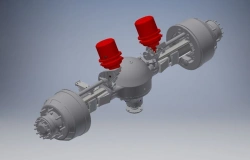
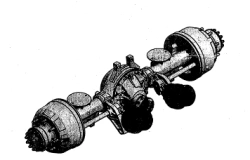
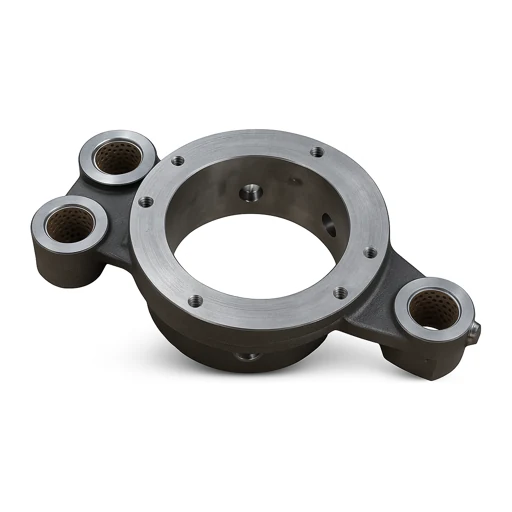
Rear Axle with Cam Brakes 231.2400012-20.11-02

Rear Axle with Cam Brakes 231.2400012-20.11-02

$3,000-9,600
KAMAZ OJSC 🇷🇺
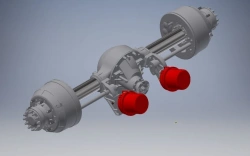
Rear Axle with Cam Brakes 231.2400012-20.25-02

Rear Axle with Cam Brakes 231.2400012-20.25-02

$1,500-4,800
KAMAZ OJSC 🇷🇺
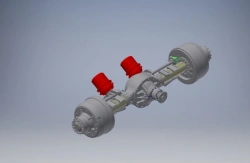
Rear Axle with Cam Brakes 231.2400012-20.18 E

Rear Axle with Cam Brakes 231.2400012-20.18 E

$3,000-9,000
KAMAZ OJSC 🇷🇺
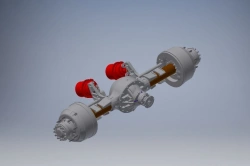
Rear Axle with Cam Brakes 231.2400012-20.21-05K

Rear Axle with Cam Brakes 231.2400012-20.21-05K

$1,500-4,800
KAMAZ OJSC 🇷🇺
Rear Axle with Cam Brakes 231.2400012-20.11-04

Rear Axle with Cam Brakes 231.2400012-20.11-04

$1,500-4,800
KAMAZ OJSC 🇷🇺

Brake Pads, Discs, Drums and Air-Brake Components for Mixed Fleets

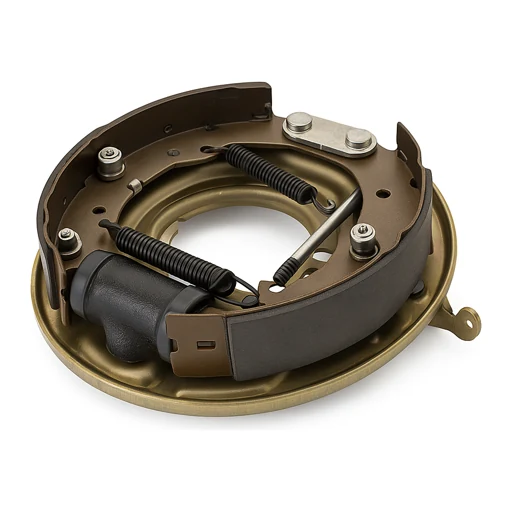
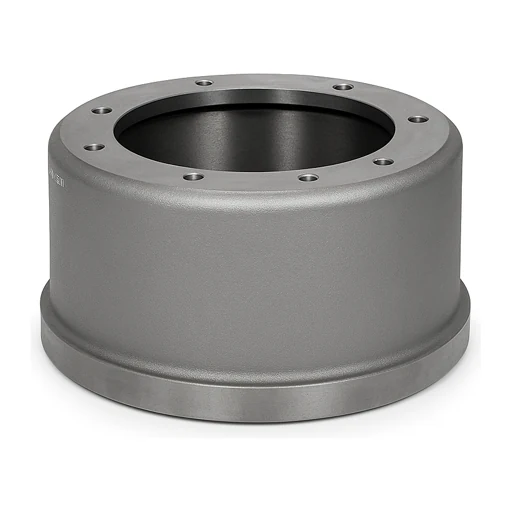
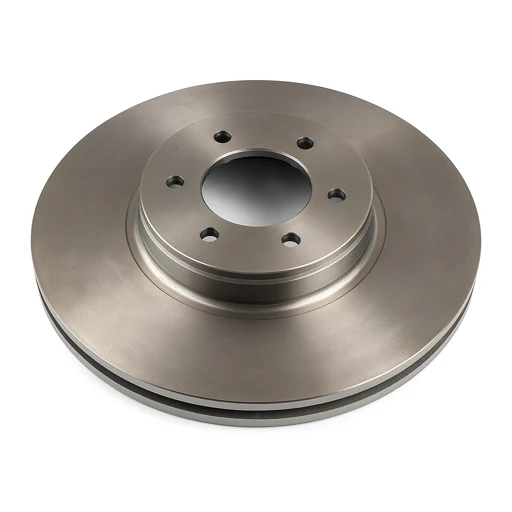
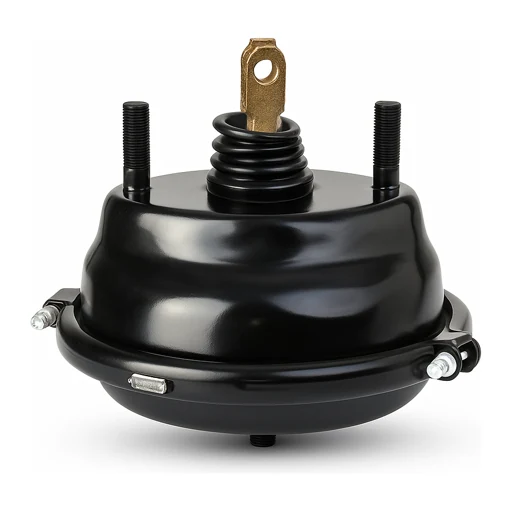
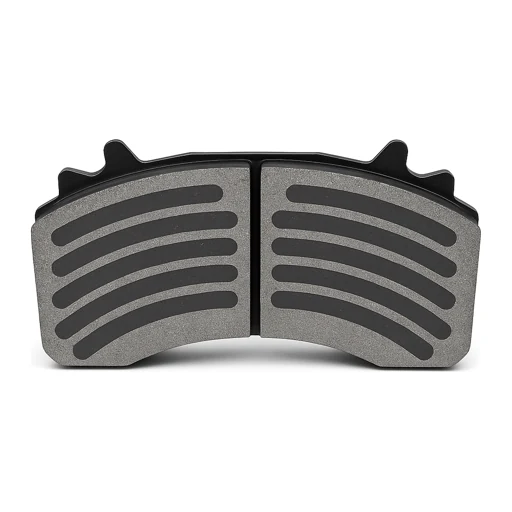
The braking section counts 370 listings from 93 suppliers. Friction parts form the core — 167 brake pad positions and a parallel range of discs (27) and drums (18) — supported by the commercial-vehicle side: truck brake chambers (26), parking brake assemblies, proportioning valves, calipers and master cylinders. The catalogue also reaches into rail: composite brake blocks for freight cars appear here, a reminder that Russian friction-material plants serve railways and trucking from the same production base.

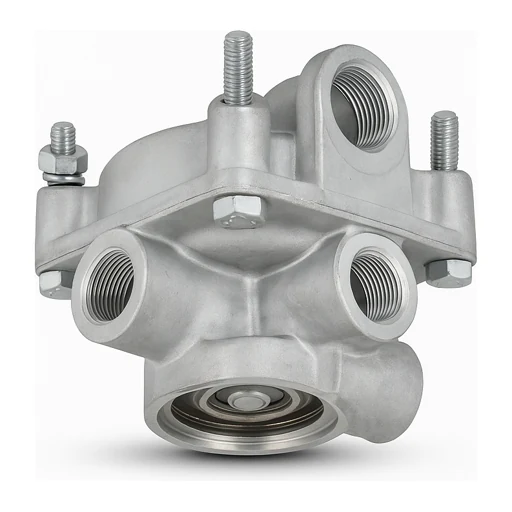
That industrial base is the buying argument. Friction compounds in Russia are formulated for heavy loads, long mountain descents and winter conditions, and the factories behind them supply conveyor-belt volumes to domestic truck and bus fleets. For an importer serving GAZ, UAZ, KamAZ-pattern or bus fleets — or sourcing budget-tier pads for Asian passenger cars — the per-axle economics are hard to match in the mid-quality bracket. Air-brake components (chambers, valves) follow established interface dimensions, simplifying substitution in mixed fleets.

  • Fleet focus: strongest coverage for Russian LCVs, trucks and buses; growing lines for common Asian passenger models.
  • Friction documentation: pads and blocks reference GOST or factory TU specifications, with batch quality certificates.
  • Volume packing: pads box compactly — a single pallet carries hundreds of axle sets, ideal for parts wholesalers.
  • Terms: EXW or FOB Novorossiysk / St. Petersburg; air freight viable for urgent friction-part replenishment.
  • Traceability: batch numbers on boxes allow recall and warranty tracking through your distribution chain.

Send your moving part numbers and monthly volumes through the marketplace to receive tiered wholesale quotations.

FAQ

How do I judge the quality tier of pads before placing a wholesale order?
Request the factory's technical specification reference and a batch test report — friction coefficient and wear figures — plus physical samples for a fleet trial. Running one vehicle group on sample pads for 60–90 days tells you more than any certificate. Reputable plants here expect this procedure from new export customers and support it willingly.
Are truck brake chambers interchangeable with international type sizes?
Air-brake chambers follow established type designations (Type 20, 24, 30 and so on) with standard mounting stud spacing and pushrod threads, so substitution into fleets running European or Asian trucks is usually mechanical bolt-on. Verify pushrod length and clamp orientation against your old unit. Send a photo and dimensions if the type plate is unreadable.
What MOQ do friction-material factories expect from a new importer?
Typical entry orders start around one pallet per part-number group rather than full containers — a few hundred axle sets spread across your fastest-moving references. Container-level pricing improves margins noticeably, so most distributors graduate to mixed 20-foot loads within a few orders. Sample boxes for testing ship by courier at cost.
Do brake parts come with warranty terms for resale markets?
Factories generally warrant friction parts against manufacturing defects — delamination, cracking — for a defined period or mileage stated in the contract, supported by batch traceability on every box. Wear rate itself is not warrantable since it depends on duty cycle. Agree the claims procedure in writing: photo evidence plus batch number is the usual standard.
Can one supplier cover both my truck fleet and passenger-car pad demand?
Often yes through trading suppliers who consolidate several plants, and that is a practical way to fill a mixed container. Specialized factories, however, tend to be strongest in one segment. The marketplace request lets you ask for a combined quotation; expect truck friction from one production source and passenger references from another, shipped together.