
Products — Sprayers & Fertilizer Spreaders

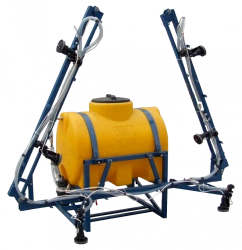
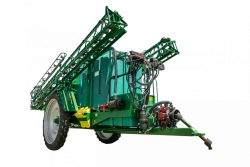
Lightweight Boom Sprayer OLS-1.0 for Efficient Crop Treatment

Lightweight Boom Sprayer OLS-1.0 for Efficient Crop Treatment

$9,000-30,000
Belagrospecmash LLC 🇷🇺

Crop Protection Hardware: Trailed, Mounted and Self-Propelled Sprayers Plus Spreaders

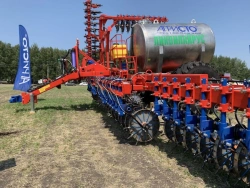
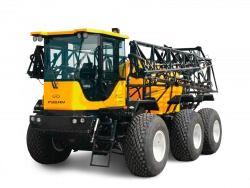
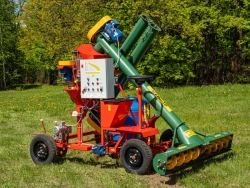
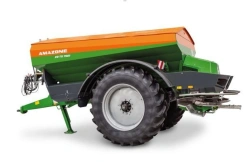
Plant protection and nutrition equipment in this section spans 248 listings from 58 suppliers. Trailed sprayers lead with 53 positions, followed by fertilizer spreaders and applicators (80+ combined across three subgroups), self-propelled sprayers (20), field and mounted sprayers, and seed treaters for pre-planting chemical dressing. Fog generators and specialty units for orchards and greenhouses round out the range.

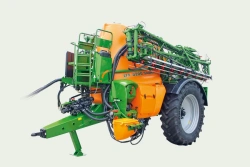
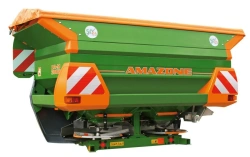
The competitive case for Russian sprayers is capacity per dollar. Tank volumes of 2,000–4,000 litres with 18–28 metre booms cost noticeably less than Western European machines of the same class, while the boom structures, pumps and frames are built to survive field roads rather than asphalt. Controls range from simple manual regulators to rate controllers with GPS section shutoff — buyers choose how much electronics they want to maintain. Spinner-disc fertilizer spreaders follow the same logic: heavy hoppers, stainless or painted-steel discs, simple gearboxes.

  • Sprayer classes: mounted units for small farms, trailed 2,000–4,000 L machines for mid-size estates, self-propelled for large operations.
  • Spreaders: spinner and pendulum types from a few hundred kg to 10+ tonne trailed applicators, including lime and salt versions.
  • Components: membrane pumps, nozzles and filters follow common international standards, easing local resupply.
  • Delivery: EXW or FOB Novorossiysk / St. Petersburg; booms fold or detach for container loading.
  • Included papers: EAC declaration, calibration charts, operator manual and parts catalogue.

A short note on your field sizes, crops and chemical practice is enough for marketplace suppliers to quote a suitable configuration.

FAQ

Are the sprayer nozzles and pumps compatible with international standards?
Largely yes. Most Russian sprayers use membrane-piston pumps and nozzle bodies built to common formats, so locally available tips, diaphragms and filters from global brands usually fit. The parts catalogue lists dimensions and thread types. If you already stock a particular nozzle system, mention it — factories can often install matching bodies on the boom before shipment.
Which is more practical to import: trailed or self-propelled sprayers?
Trailed machines are cheaper, ship disassembled in containers and rely on your existing tractor, which keeps total cost down — the usual choice for first-time importers. Self-propelled sprayers offer higher daily output and clearance for tall crops but travel as RoRo or flat-rack cargo and need more service capability. Many dealers start trailed, add self-propelled later.
Can fertilizer spreaders handle local granular products and even salt or lime?
Yes. Spinner spreaders meter most dry granular fertilizers; calibration charts in the manual cover typical densities and you adjust gate openings per product. For corrosive jobs — salt for roads, lime, raw phosphates — request the corrosion-protected version with stainless discs and coated hoppers, which several plants here produce as standard variants.
What MOQ applies if I am a dealer rather than an end farm?
Single-unit purchases are accepted, but dealer economics improve fast with consolidated loads: two to four trailed sprayers or a mixed container of mounted sprayers and spreaders. Factories typically offer dealer discount tiers from three to five units and can ship a marketing kit — manuals, spare parts list, photos — with the first batch.
How fragile are these machines in sea transit, and how are they protected?
Tanks are polyethylene and tolerant of handling; the vulnerable parts are booms, sensors and control units. Standard export packing folds or removes the boom, crates electronics separately and blocks the chassis on container floors. Ask for loading photos before dispatch — suppliers provide them routinely — and check the boom hinge points first at unstuffing.