

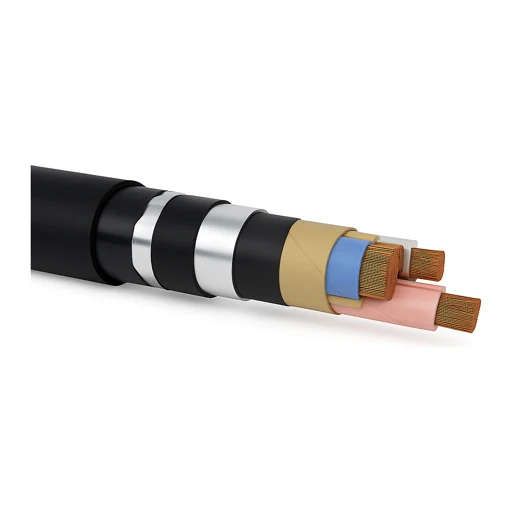
کابلهای قدرت فشار ضعیف (تا ۱ کیلوولت)
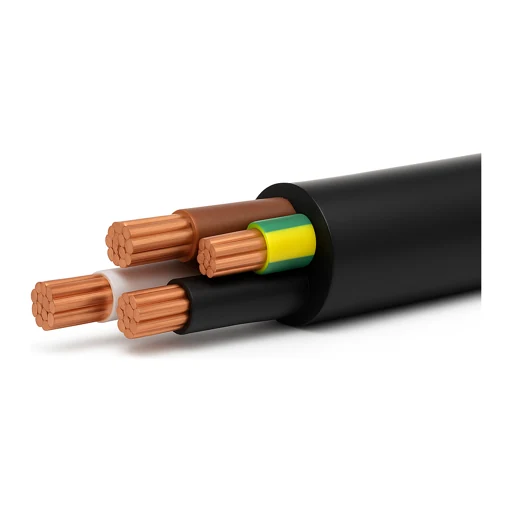
کابلهای قدرت فشار متوسط (۶ تا ۳۵ کیلوولت)
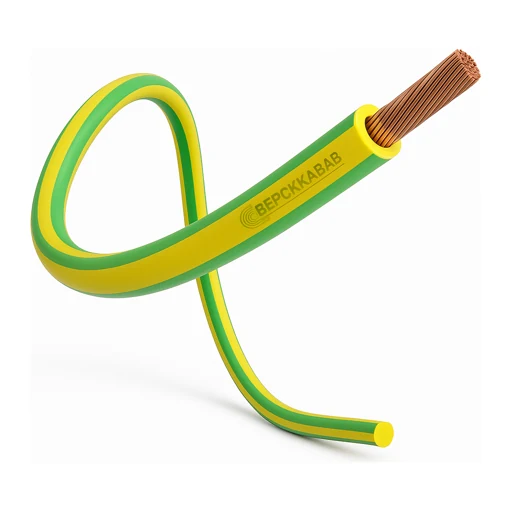
سیمهای نصب و خانگی
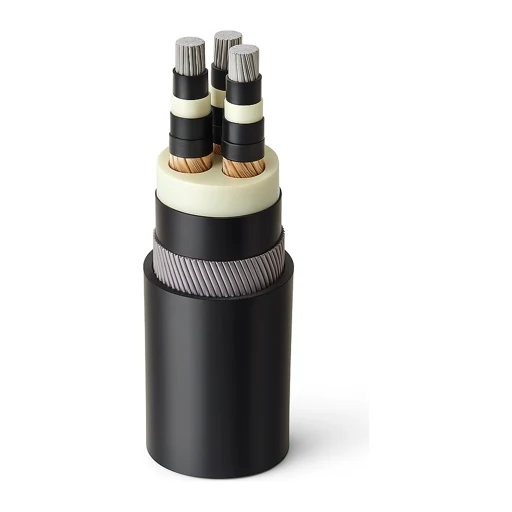
کابلهای فشار ضعیف با هادی آلومینیومی
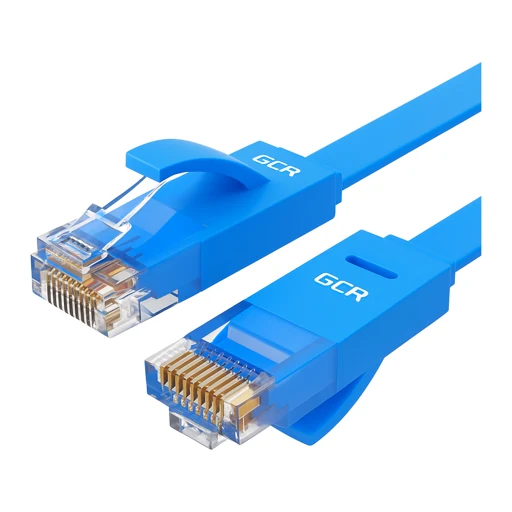
کابلهای مخابراتی، اعلام و شبکه ساختاریافته
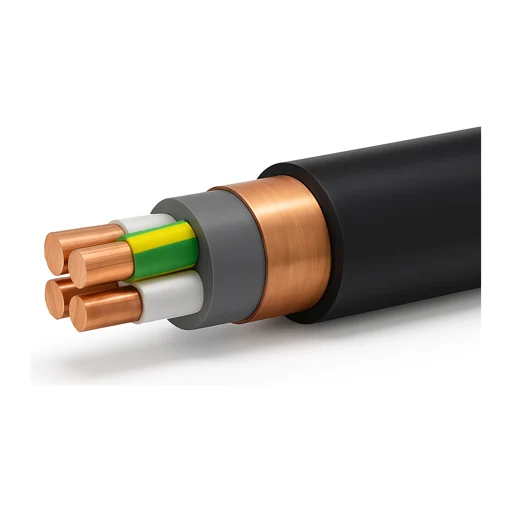
کابلهای فشار ضعیف با هادی مسی
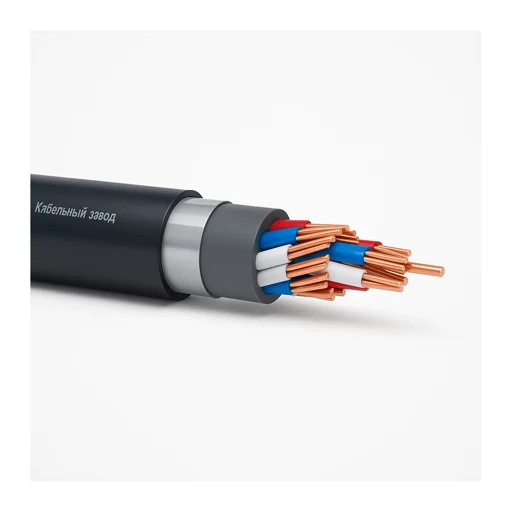
کابلهای کنترل
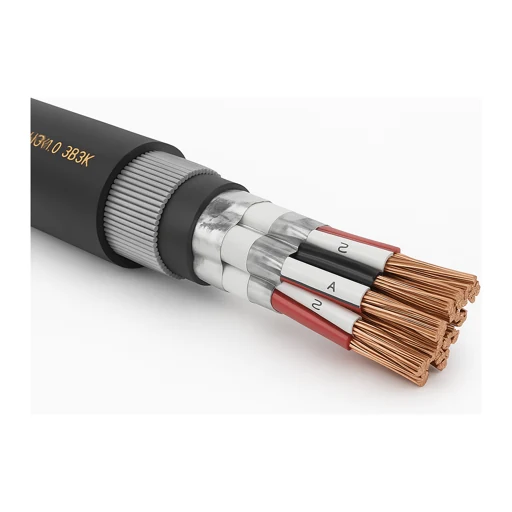
کابلهای نصب
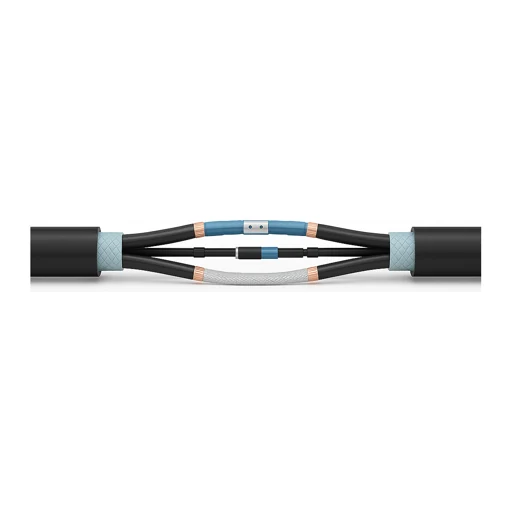
سرکابل و مفصل
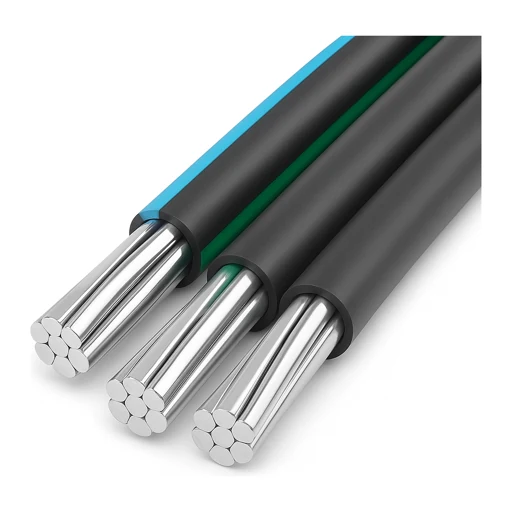
سیمهای خودنگهدار SIP
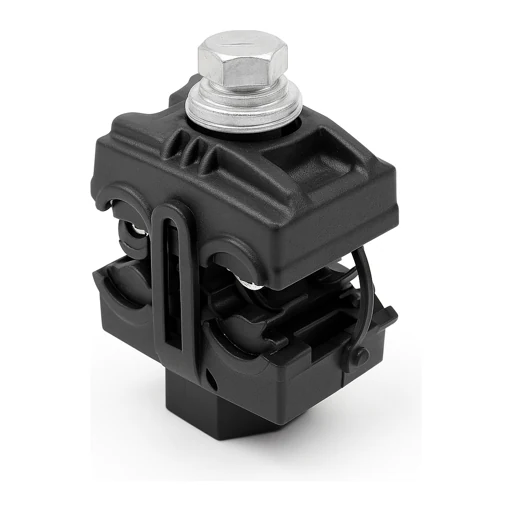
یراقآلات سیم و کابل
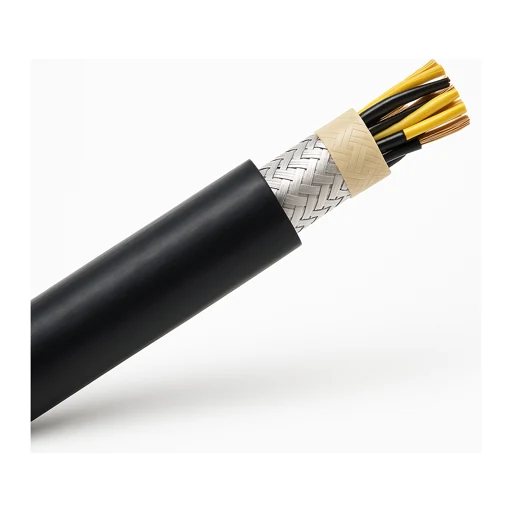
کابلهای دریایی، نفت و گاز و معدن
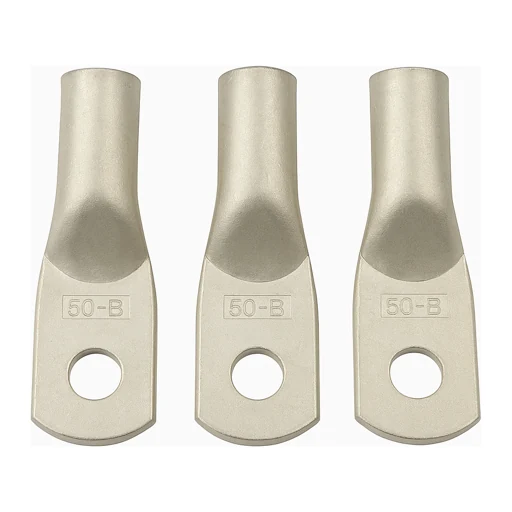
لوازم جانبی کابل
کابلهای فیبر نوری
سیم رابط و سیار
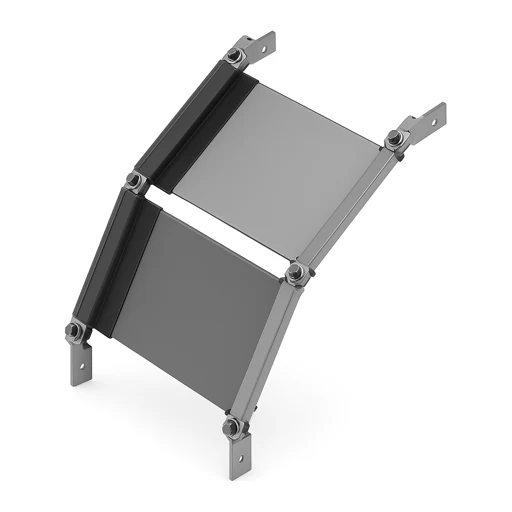
سایر محصولات کابلی
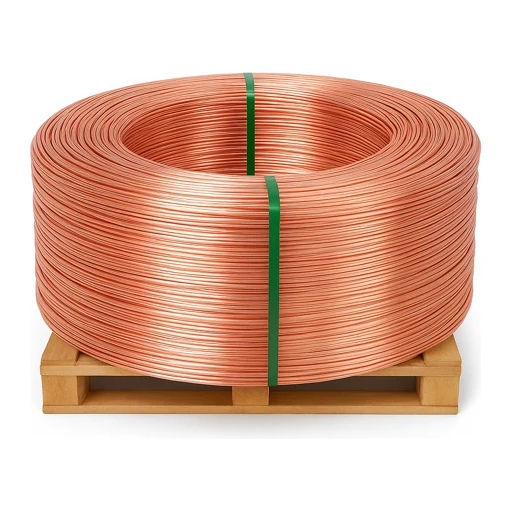
شمشهای مسی و آلومینیومی
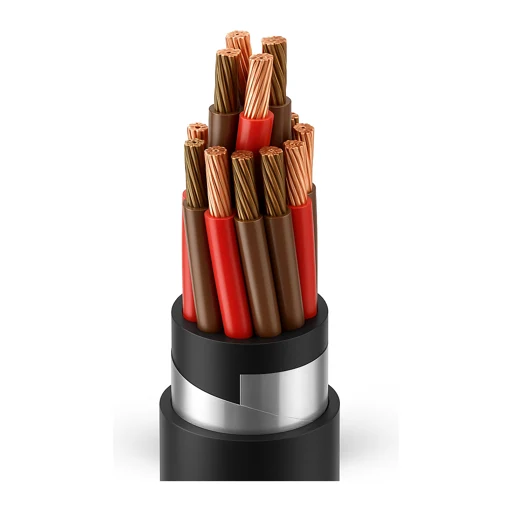
کابلهای ترموکوپل
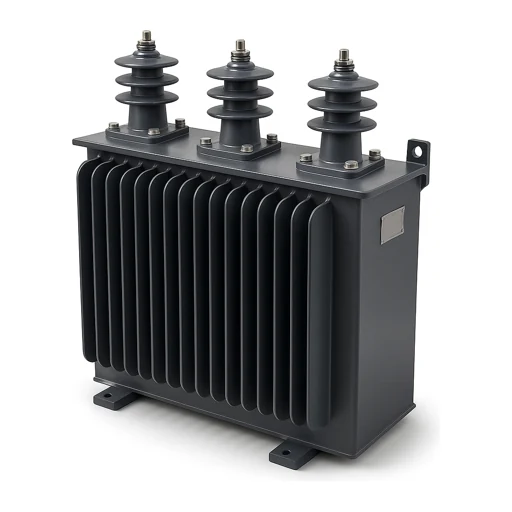
سیمهای نصب و سیمکشی
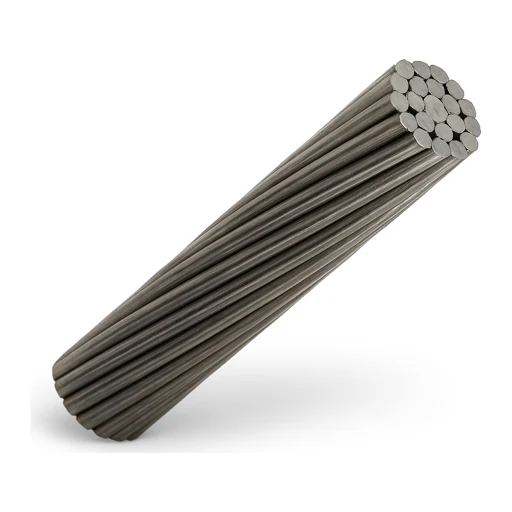
سیمهای روکشنشده برای خطوط هوایی
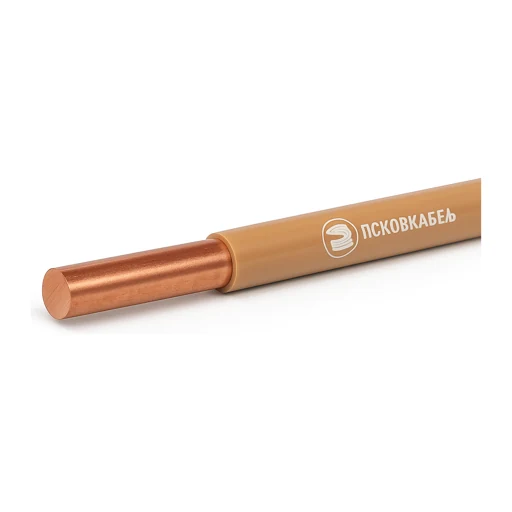
سیم لاکی و سیمپیچی
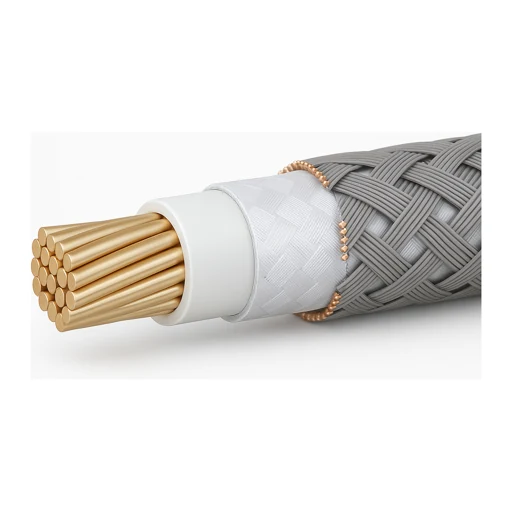
سایر
محصولات — کابلها و سیمکشی

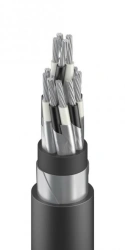
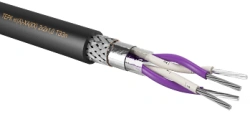
کابل ترمو الکترودی با هادی های فلزی و آلیاژی یا جفت آلیاژها TERC ng(A)- ** xx VK
﷼ 50,400-403,200
DONKABEL LLC 🇷🇺
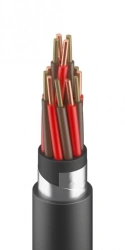
کابل چند رشته ای ترمو الکترود با رشته های هادی تک رشته ای، مدل: KMTVEVT
﷼ 37,800-252,000
REЖКАБЕЛЬ LLC 🇷🇺
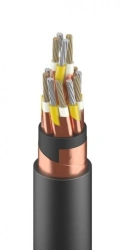


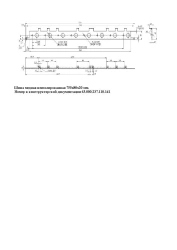
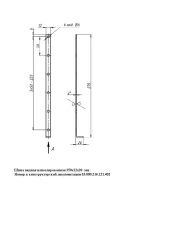
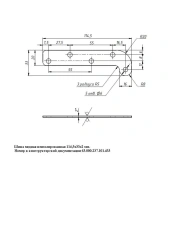
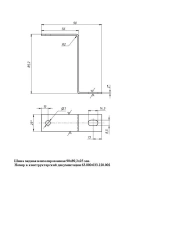
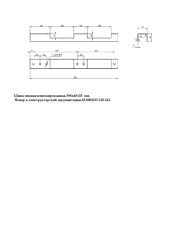
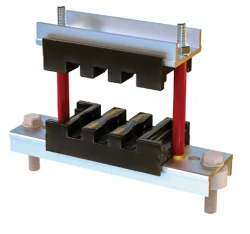
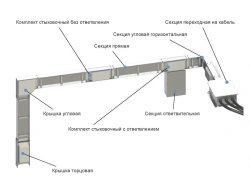
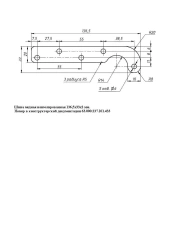
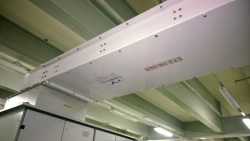
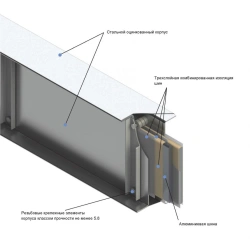
JunCura Closed Busbar with Round and Rectangular Shell, 1.2kV, 800-6300A
﷼ 3,780,000-25,200,000
CAPRAL BRIDGE LLC 🇷🇺
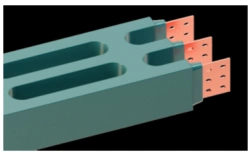
Cast Insulated Busbars Types CTA, CTS up to 24 kV - METAENERGY
﷼ 12,600,000-75,600,000
METALLURG LLC 🇷🇺
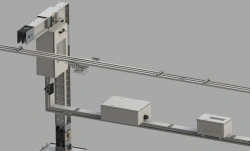
Compact Air-Insulated Busbar Distribution System 250-800A Model ШМА 5
﷼ 3,780,000-15,120,000
SOEMI OJSC 🇷🇺
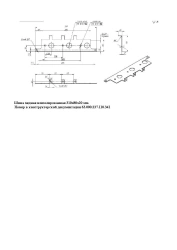
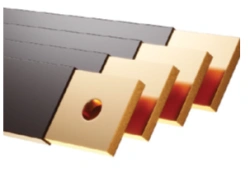
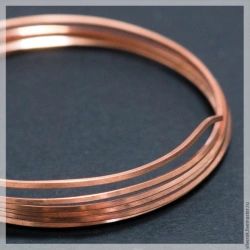
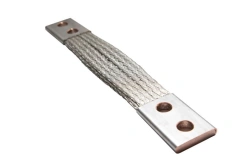
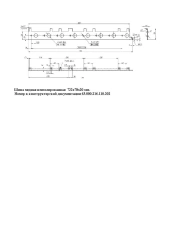
شینه های مسی انعطاف پذیر عایق شده، نوع ش م گ ی-10، شینه های مسی سخت عایق شده، نوع ش م ت ی-10، شینه های آلومینیومی سخت عایق شده
﷼ 378,000-2,520,000
METALLURG LLC 🇷🇺

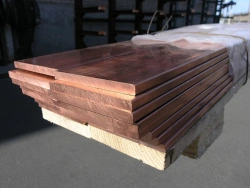
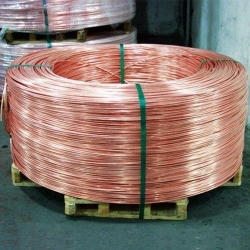
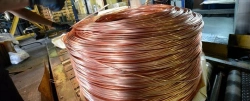
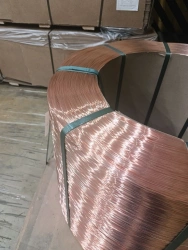
Rainbow FKP Cable Product - High-Quality Electrical Wire
﷼ 12,600-252,000
GLP "RADUGA" Federal State Unitary Enterprise 🇷🇺
Conductive Pastes PP for Resistors and Hybrid Circuits
﷼ 50,400-504,000
Research Institute of Electromechanics OJSC 🇷🇺
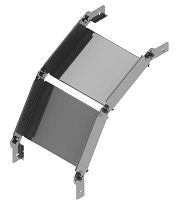
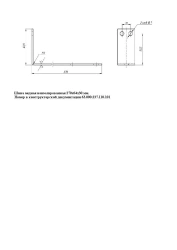
زاویه عمودی مفصلی سینی ورق ONL 000x000 ZL، با ابعاد کلی از 100x40 میلیمتر تا 600x200 میلیمتر، با ضخامت فلز
﷼ 378,000-2,520,000
SZ EMI OJSC 🇷🇺
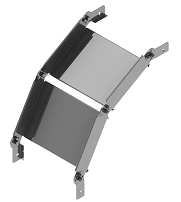
زاویه عمودی مفصلی سینی ورق ONL 000x000 ZL، با ابعاد خارجی از 100x40 میلیمتر تا 600x200 میلیمتر، با ضخامت فلز
﷼ 378,000-2,520,000
SZ EMI OJSC 🇷🇺


FAQ
•How do Russian cable types correspond to IEC designations?
Construction principles match: VVG corresponds to copper PVC-insulated power cable of the IEC 60502-1 type, AVBbShv to armoured aluminium cable, and SIP to aerial bundled conductor. Cross-sections follow the same square-millimetre series. Suppliers issue comparison sheets and full construction drawings so your engineers can approve equivalence against project specifications.
•What is the minimum order — can I buy less than a full drum?
The drum is the practical unit: cutting opens a factory length and most plants avoid it for small remnants. However, plants will wind custom lengths to order — say, 12 drums of 350 metres to match your feeder runs — which is more useful than buying standard lengths and generating offcuts. Project lots start around 5–10 km total.
•Are fire-rated and halogen-free executions available?
Yes. Most power and control families come in low-smoke halogen-free (ng-LS, ng-HF) and fire-resistant (FR) executions, tested for flame spread, smoke density and circuit integrity under fire. State the fire performance class your code requires and the plant will match it and attach the corresponding test protocols.
•What documentation supports a utility tender submission?
Plants provide type test protocols, routine test certificates per drum, EAC conformity declarations, construction drawings and ISO 9001 factory certification. For medium voltage cable, partial discharge and voltage test records are included. This package normally satisfies tender technical files; specific national homologation, where required, is discussed case by case.
•How is cable shipped and how long does it take?
Drums load into containers or open wagons; a 40-foot container carries roughly 15–25 tonnes of cable depending on drum sizes. Production of non-stock positions takes 2–5 weeks. Trucking to Central Asia adds 7–14 days; sea freight from Novorossiysk or St. Petersburg to the Gulf or East Africa runs 25–45 days.
•Can conductors be supplied in aluminium to cut project cost?
Yes, and this is a major lever: aluminium low voltage cable, with 531 listings here, prices well below copper for distribution feeders where the larger cross-section is acceptable. Suppliers will recalculate your copper schedule into aluminium equivalents, showing the cross-section conversion and the cost difference per kilometre, so you can decide line by line.