


Товары — Металлопрокат
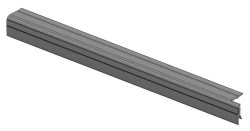
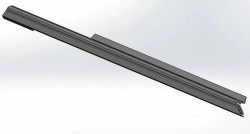


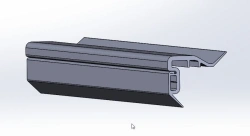
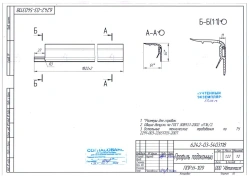
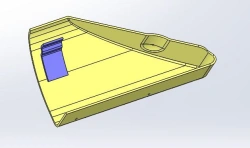
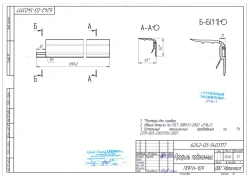
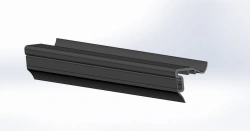
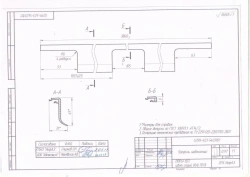
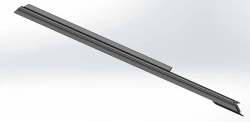
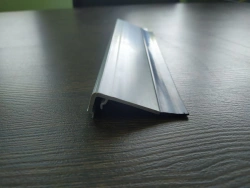
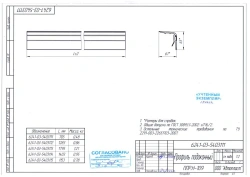
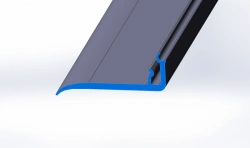
5299-40-5702154 СБ Накладка потолочного профиля передняя правая в сборе
₽500-1 500
ООО "АВТОПЛАСТ" 🇷🇺
Разместите заявку на закупку
Получите предложения от проверенных поставщиков
Экономьте время
Часто задаваемые вопросы
•How do GOST steel grades correspond to EN and ASTM grades?
Published equivalence tables cover the common structural range: St3sp corresponds approximately to S235, 09G2S to S355 in many applications, and alloy grades have ASTM near-equivalents. Because matches are approximate, suppliers provide the chemical composition and mechanical properties from mill certificates so your engineer confirms suitability rather than relying on the name alone.
•What is the minimum tonnage worth shipping?
For commodity rolled product, 20 tonnes — one container or truck — is the practical floor per position, and vessel parcels of 500–3,000 tonnes get mill-direct pricing. Fabricated structures are different: a single bridge section or a set of galvanised columns can justify shipment because value per tonne is higher.
•Can plants fabricate structures to Eurocode or AISC project drawings?
Yes, fabrication shops work from your drawings regardless of the design code, since cutting, welding and drilling follow the geometry and weld specifications you provide. Welder certification and weld inspection protocols are issued per Russian standards; if your project requires specific NDT coverage or third-party inspection, write it into the contract.
•Is hot-dip galvanising available, and to what standard?
Most fabricators either operate or partner with galvanising lines running to GOST 9.307, which is harmonised with ISO 1461 in coating thickness requirements. Specify the design life or coating microns you need; typical structural coatings run 60–100 microns. Coating thickness measurement protocols ship with the goods.
•How is mixed steel cargo loaded — containers or breakbulk?
Bars, profiles and sheet up to 11.8 metres fit 40-foot containers; longer beams and large fabrications travel breakbulk or on flat-racks. Suppliers and forwarders decide per cargo list, balancing handling damage risk against freight cost. For Central Asia, open rail wagons are usually the cheapest route for long product.