

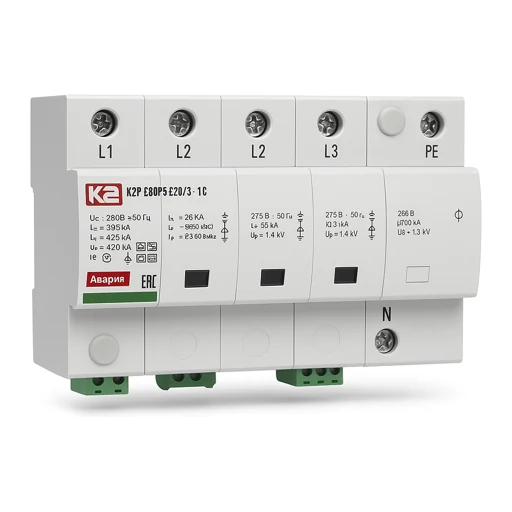
Surge Protective Devices (SPD)
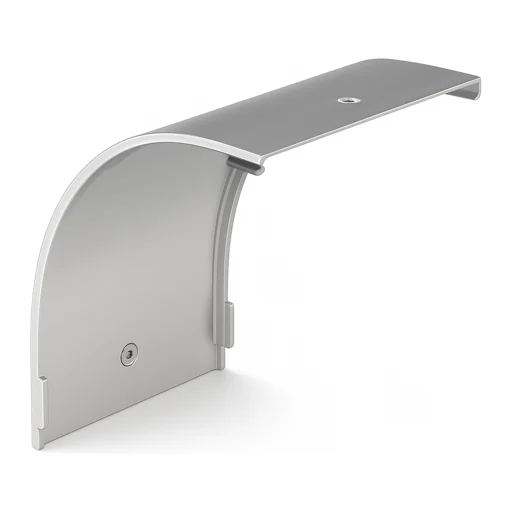
Cable Tray Covers & Protective Housings
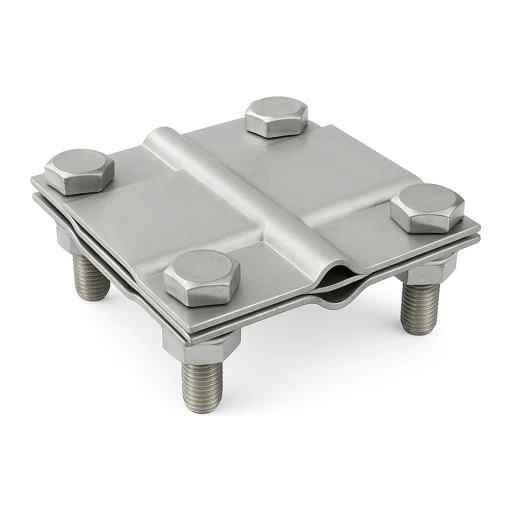
Insulators & Line Hardware
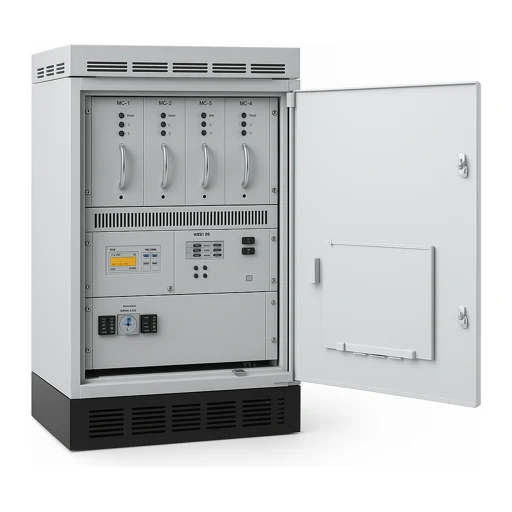
Cathodic Protection
Circuit Protection Modules & Breakers
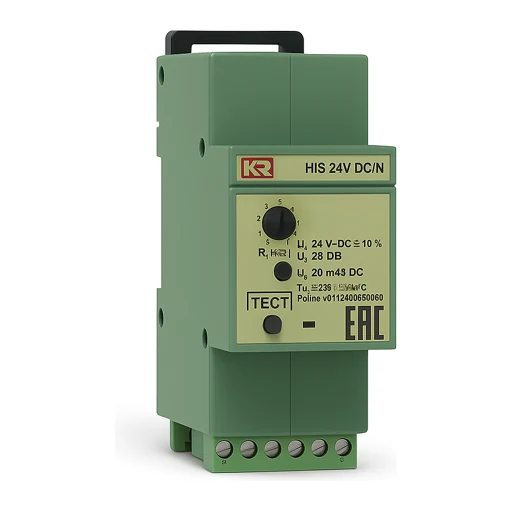
Insulation Testing & Electrical Safety Instruments
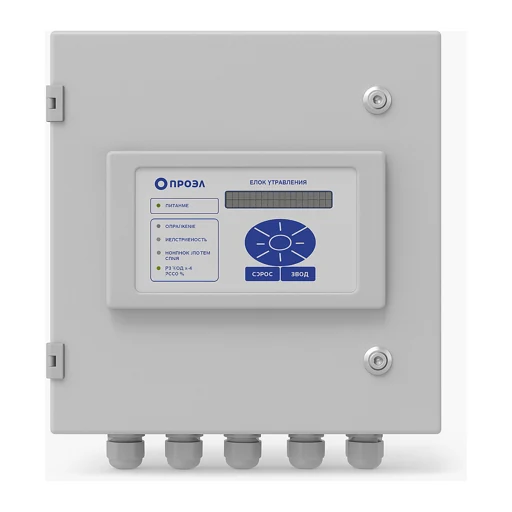
Protective Relays & Protection Panels
Lightning Protection & Arresters
Grounding & Earthing Systems
产品 — 电气安全
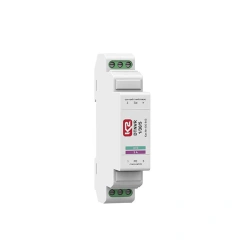
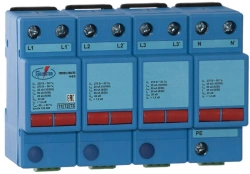
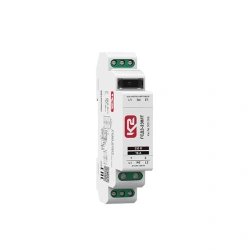
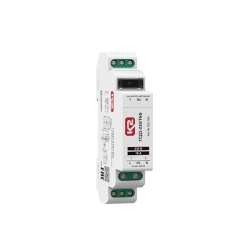
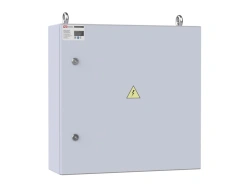
Surge Protection Device for Electrochemical Protection Equipment - М84/30-IP30-UHL4
¥2,160-8,640
HAKEL OJSC 🇷🇺
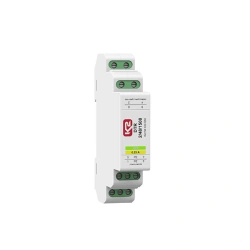
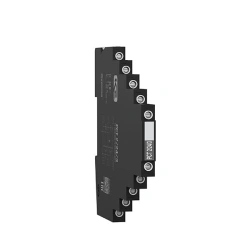
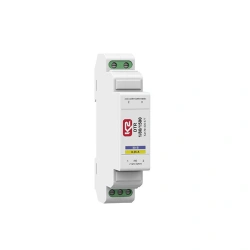
Surge Protection Device for Distributed Networks RST 2/24/3, Cat. No. 402 503
¥64.80-216
HAKEL OJSC 🇷🇺
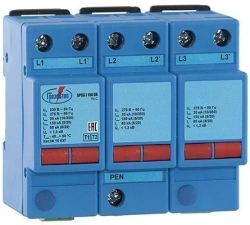
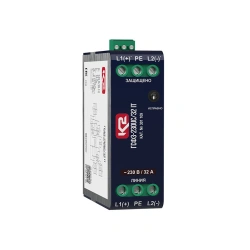
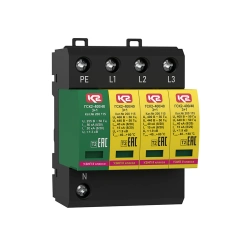
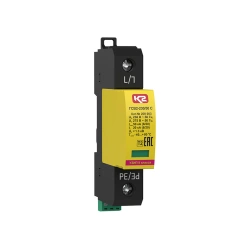
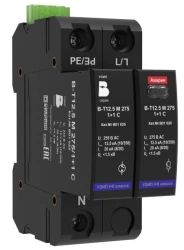
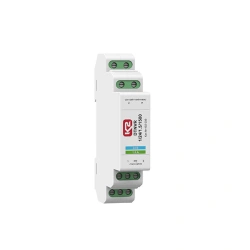
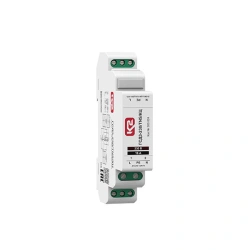
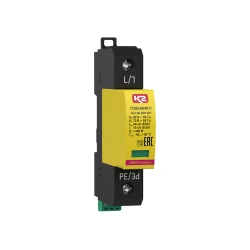
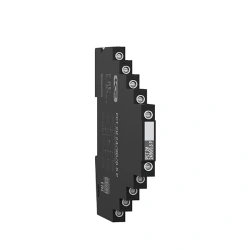
Surge Protection Device for Impulse Overvoltage GSV2-60/40 C (LT), Cat. No. 200 001
¥64.80-216
HAKEL OJSC 🇷🇺
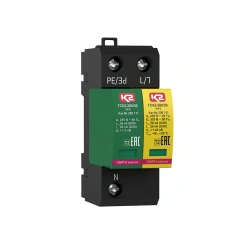
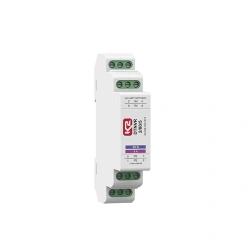
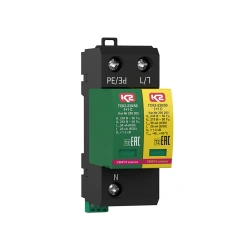
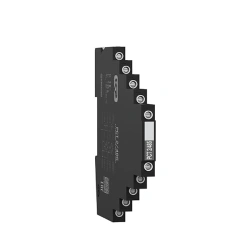
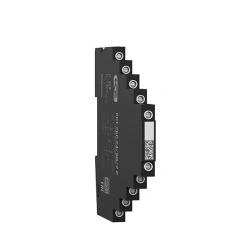
Surge Protection Device for RS-485 Lines Model RST 2/485 Cat. No. 402 510
¥64.80-259.20
HAKEL OJSC 🇷🇺
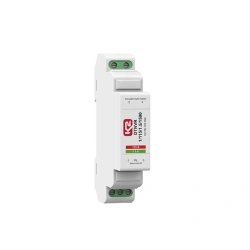
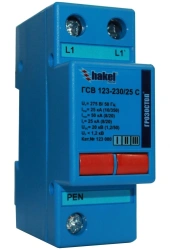
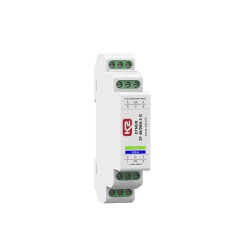
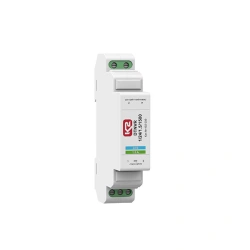
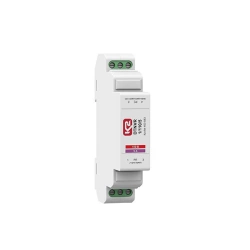
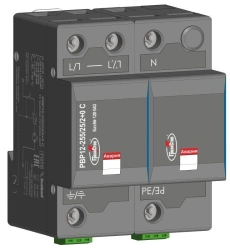
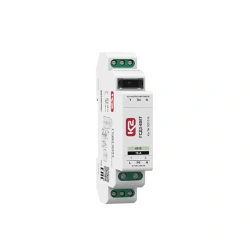
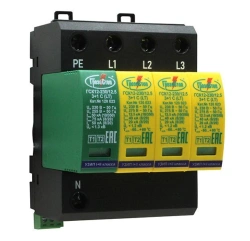
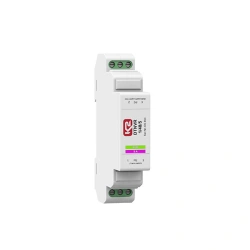
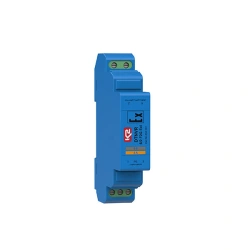
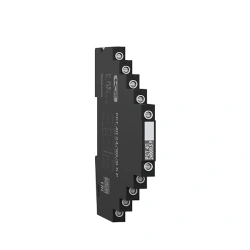
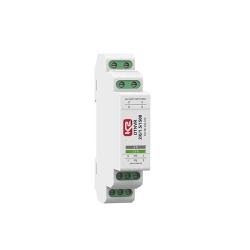
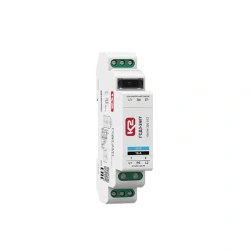

Surge Protection Device for Signal Circuits GIS 1I 24/RVS (LT), Cat. No. 406 513
¥64.80-216
HAKEL OJSC 🇷🇺
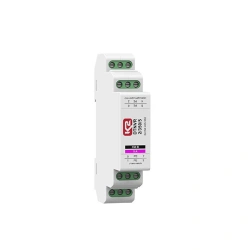
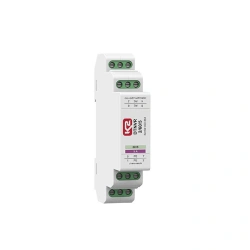
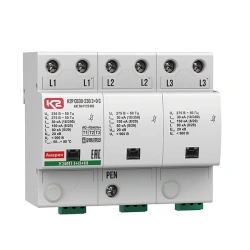
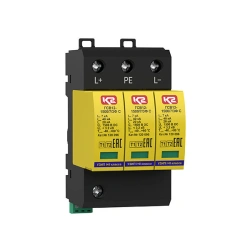
Surge Protective Device for DC Systems GSV12-1500/7/3F C, Cat. No. 120 096
¥108-345.60
HAKEL OJSC 🇷🇺
常见问题
•Are these SPDs and breakers compatible with IEC-based installations?
Russian electrical standards are largely harmonized with IEC, so ratings, terminology and DIN-rail form factors will be familiar. SPDs are classified Type 1/2/3 as in IEC 61643. Still, confirm nominal voltage and frequency for your grid — most devices are built for 220/380 V 50 Hz networks, which matches most of Africa, the Middle East and Central Asia.
•Can suppliers quote against a utility tender bill of quantities?
Yes, this is routine. Send the BOQ with item specifications and quantities; manufacturers return itemized pricing, technical datasheets and deviation lists where their product differs from the reference spec. For tenders requiring type-test reports from independent laboratories, ask early — gathering certified translations takes time.
•What comes in a cathodic protection package for a pipeline project?
Typical scope includes transformer-rectifier stations, anode groundbeds, reference electrodes, test posts and cabling accessories. Suppliers can size the system if you provide pipeline length, coating type and soil resistivity data. Commissioning support is usually remote, with detailed installation documentation; on-site supervision is negotiable for large projects.
•How are fragile porcelain insulators packed for sea freight?
Insulators ship in wooden crates with individual separators, a packing method refined over decades of export. Breakage allowances are specified in the contract — typically the supplier replaces transit-damaged units documented in a port survey report. Polymer insulators are lighter and far more tolerant of handling if logistics is a concern.
•What are typical lead times and minimum orders?
Standard SPDs, insulators and grounding kits often ship from stock or within 2–3 weeks. Cathodic protection stations and custom relay panels are engineered to order — typically 45–60 days. Minimums are modest: one carton for small devices, one crate for insulators; full container loads earn better unit pricing.