

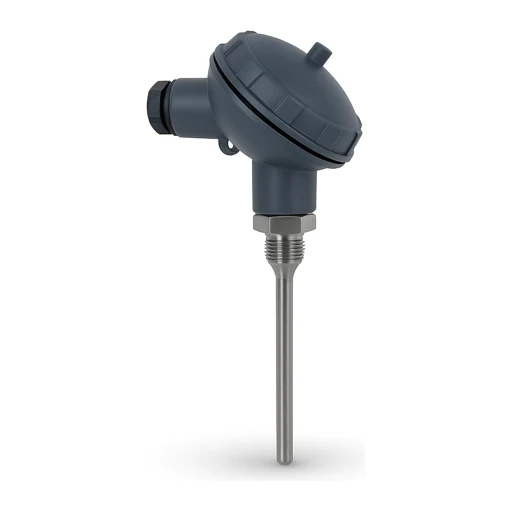
سنسور دما و ترموکوپل
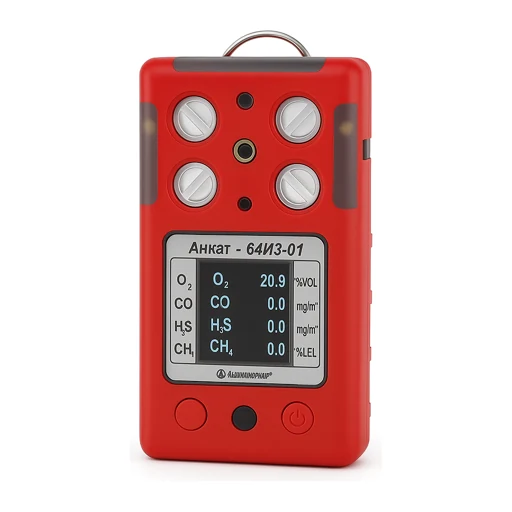
گازسنج و آشکارساز گاز
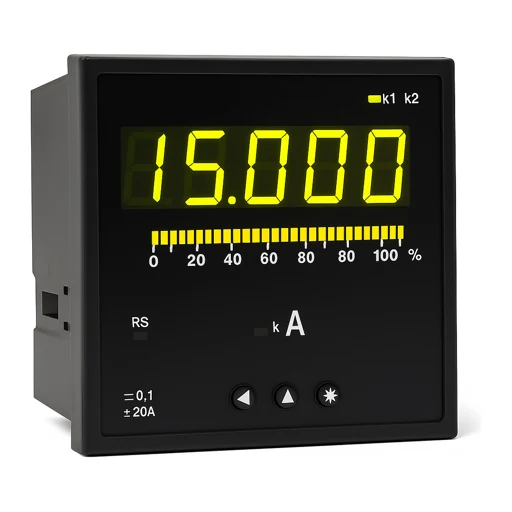
آمپرمتر، ولتمتر و واتمتر تابلویی
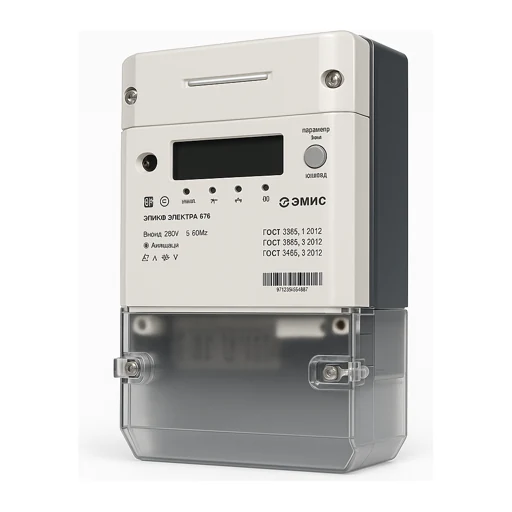
کنتور برق سهفاز
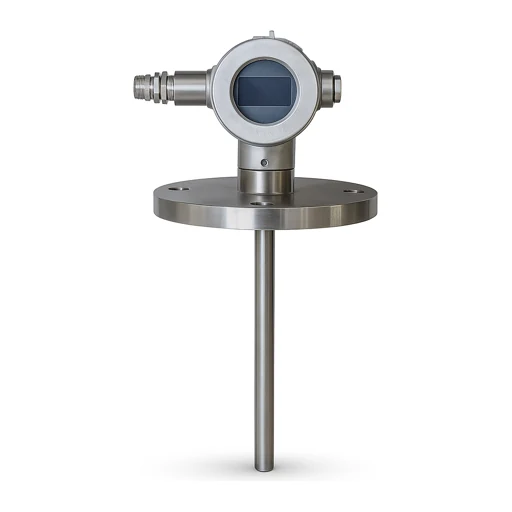
فلومتر و سطحسنج
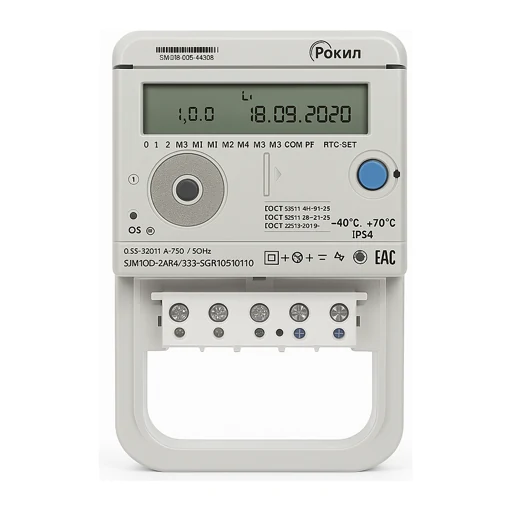
کنتور برق تکفاز
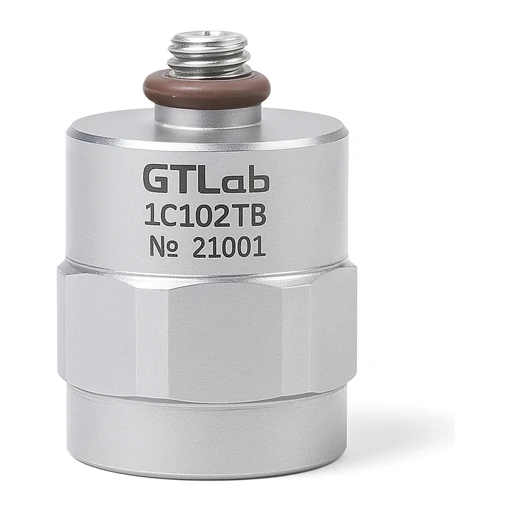
شتابسنج و سنسور ارتعاش
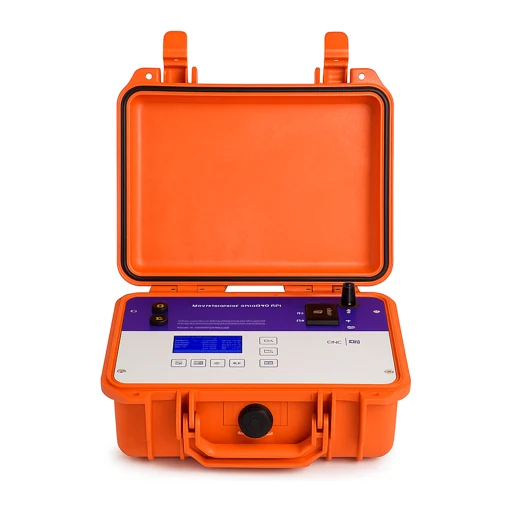
میگراهممتر
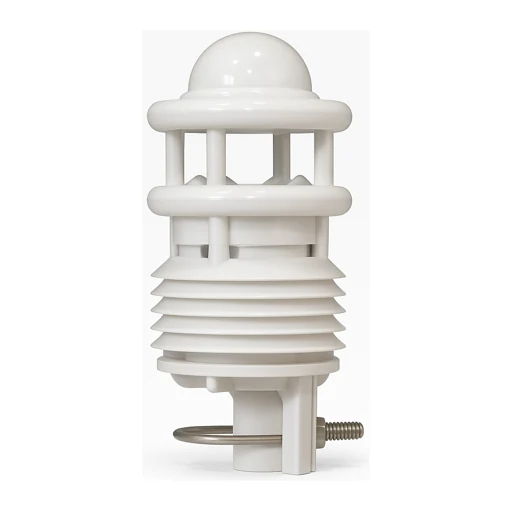
سنسور رطوبت و هواشناسی
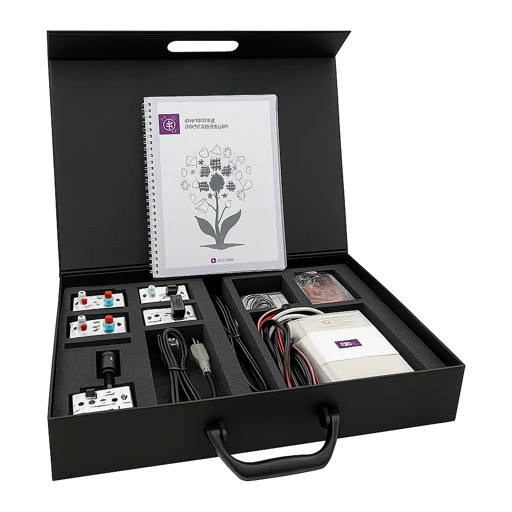
ستهای آموزشی الکترونیک
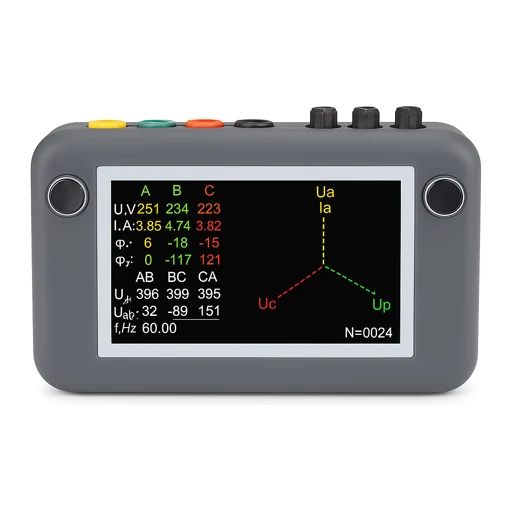
آنالایزر کیفیت توان
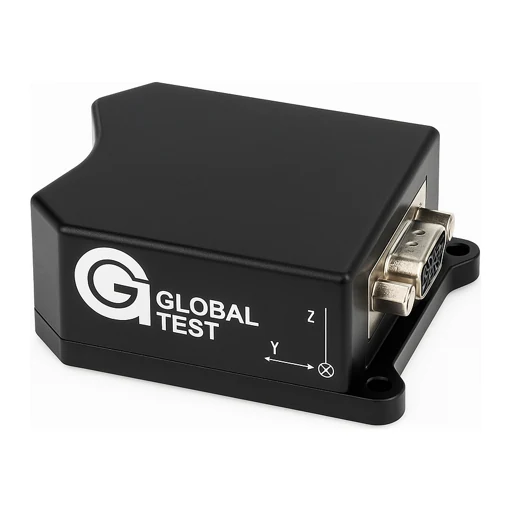
سنسور موقعیت و انکودر
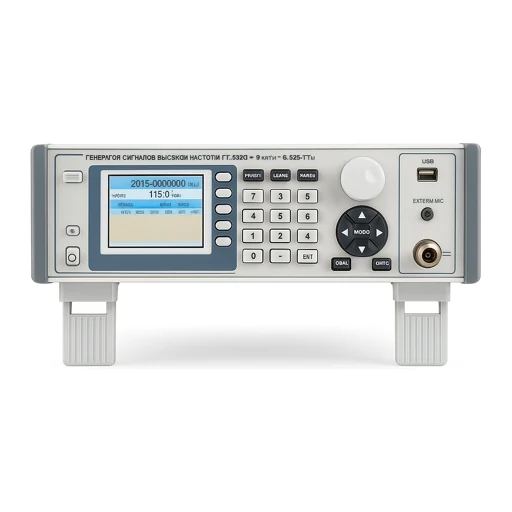
سیگنال ژنراتور و توانسنج
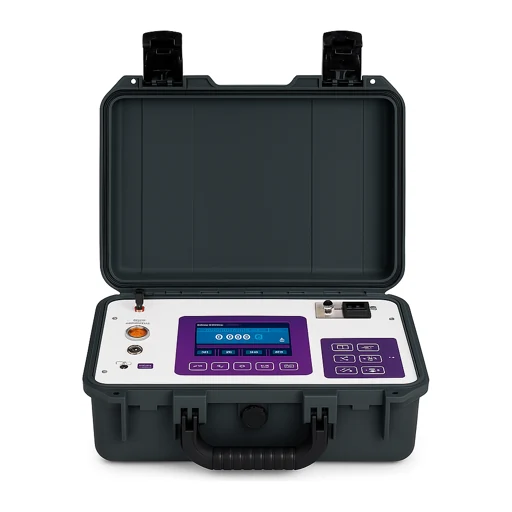
تستر تجهیزات الکتریکی
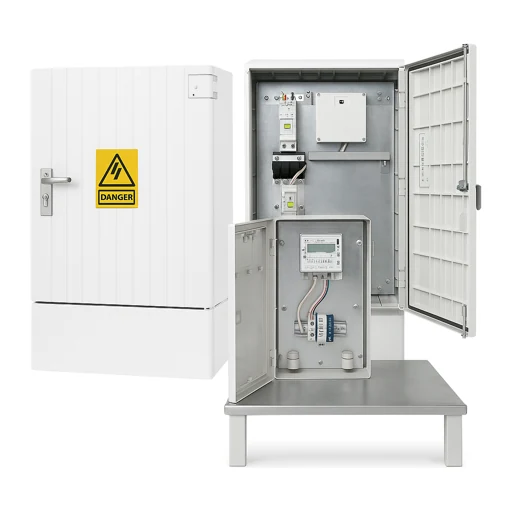
توان راکتیو و خازن جبرانسازی
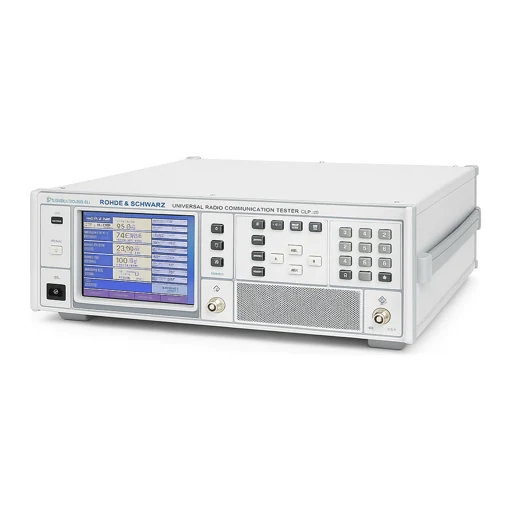
مولتیمتر و اسیلوسکوپ
رله نظارت ولتاژ و جریان
لحیمکاری و هویه
کنتور پالس
دیتالاگر و کنترلر
فشارسنج الکترونیک
کلمپمتر
کالیبراتورها و استانداردها
سایر
محصولات — تست و اندازهگیری
FAQ
•Do Russian electricity meters and panel instruments work with our 50 Hz grid?
Yes in most cases. Russia itself runs a 220/380 V, 50 Hz grid, so single-phase and three-phase meters, ammeters and voltmeters are natively designed for those parameters. If your network differs, for example 60 Hz in parts of Latin America, state it in the inquiry: many factories offer alternative windings or confirm tolerance ranges in the datasheet.
•What calibration documents come with the instruments?
Manufacturers typically include a factory calibration certificate or verification protocol referencing GOST metrology standards, plus a passport stating the accuracy class. If your regulator requires local verification, the GOST protocol is usually accepted as the baseline document for re-certification at a national lab.
•Can gas analyzers be configured for the specific gases we monitor?
Usually yes. Most Russian gas detection makers build instruments around interchangeable sensor modules, so units can be configured for methane, CO, H2S, oxygen and other common targets at order time. Specify the gas, measurement range and whether you need portable or stationary units, and lead time typically stays within 30-45 days.
•What is the minimum order for sensors and thermocouples?
Thermocouples and RTD sensors are frequently made to order by immersion length and thread, so factories accept small trial batches, often from 5-10 pieces. Catalogue panel meters and household electricity meters may carry higher minimums, typically a carton of 10-50 units, because of packaging economics.
•How are fragile instruments shipped to the Middle East or Africa?
Small consignments usually travel by air courier or air cargo with rigid foam packing. Larger orders go in consolidated sea containers via FOB Novorossiysk or St. Petersburg, with instruments boxed and palletised. Transit insurance is normally arranged by the freight forwarder; manufacturers pack to survive standard drop-test handling.