

产品 — 篷布与工业纺织品
常见问题
•Can tarpaulins be made to my exact dimensions with custom eyelet spacing?
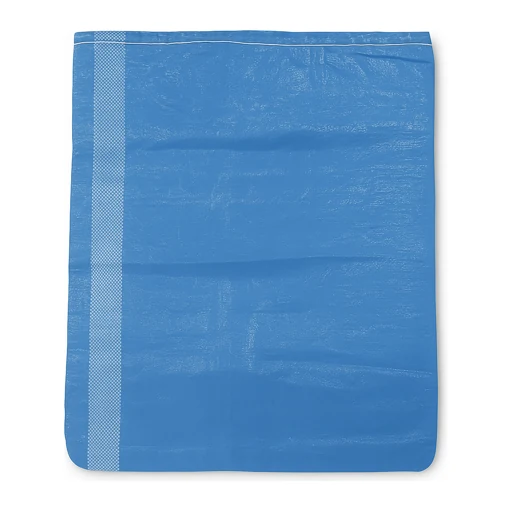
Yes, made-to-size is standard practice. Provide length, width, fabric density preference, eyelet spacing and any reinforcement zones; workshops cut and weld accordingly. There is usually no tooling cost - you pay per square meter plus fittings. Single custom pieces are accepted, though pricing improves noticeably from about 10-20 identical units.
•What fabric weights are used and which should I choose?
PVC tarpaulin fabrics typically range from about 450 g/m2 for light covers to 900 g/m2 and above for heavy transport and long-term outdoor duty. Lighter impregnated canvas suits breathable applications like machinery storage. Describe the use case - road transport, static cover, tent walls - and the producer will recommend a weight and coating.
•How are lifting slings certified for safe use?
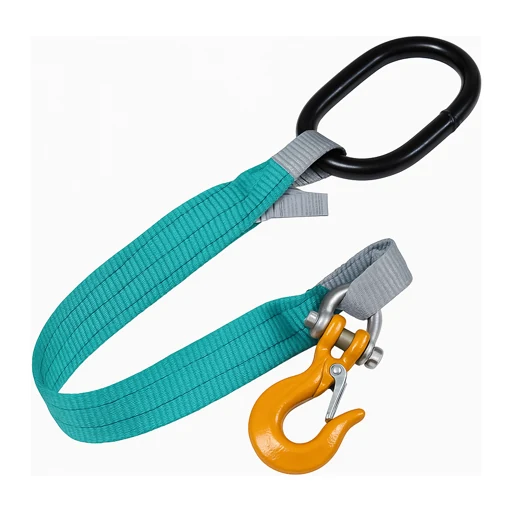
Textile slings come with a declared working load limit, marked on a durable label, and a manufacturer's certificate referencing the Russian standards they are produced under. Each batch is traceable. If your site rules require periodic third-party inspection or specific national certification, confirm documentation needs with the supplier before ordering - test reports can accompany the shipment.
•Are the tents suitable for hot, sandy environments rather than snow?
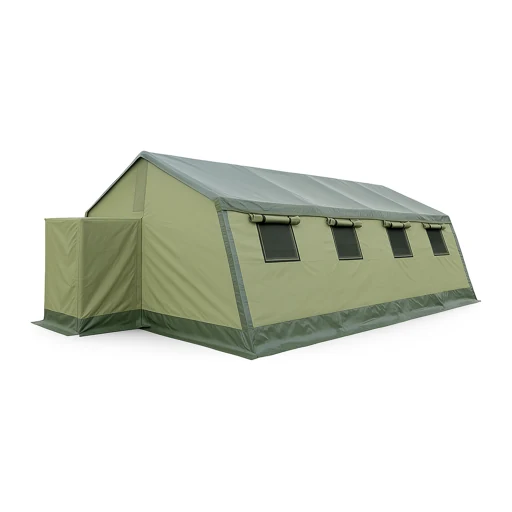
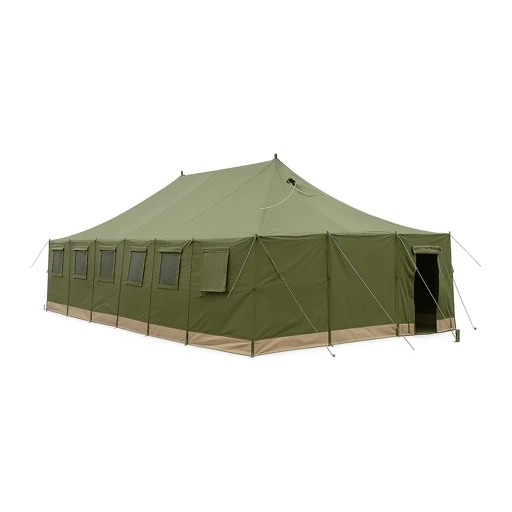
Frame tents here are engineered primarily for wind, rain and snow load, which translates well to robustness generally, but for desert service you should specify UV-stabilized fabric, ventilation openings and light colors. Producers adapt standard models on request. Ask for the fabric's UV rating and request a sample swatch for sun-exposure testing in your conditions.
•What does shipping look like for bulky items like tents and tarps?
These goods compress well: tarpaulins fold into dense bales and tents pack into frame bundles plus fabric bags, so sea freight cost per unit stays moderate. A mixed order often fits groupage rather than a full container. Typical timelines are 15-30 days production plus 30-45 days sea transit, or 10-18 days overland to Central Asia.