

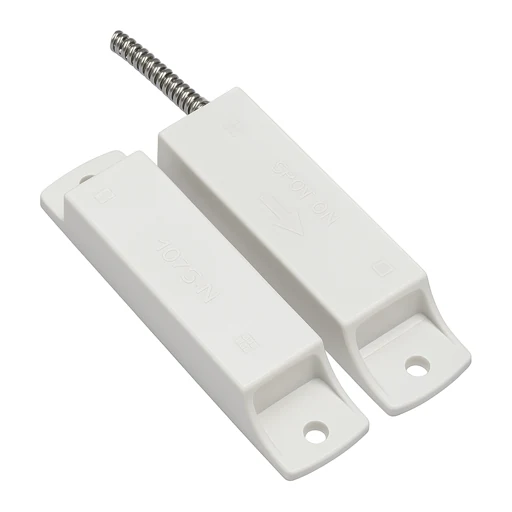
Magnetic Contact & Reed Switch Detectors
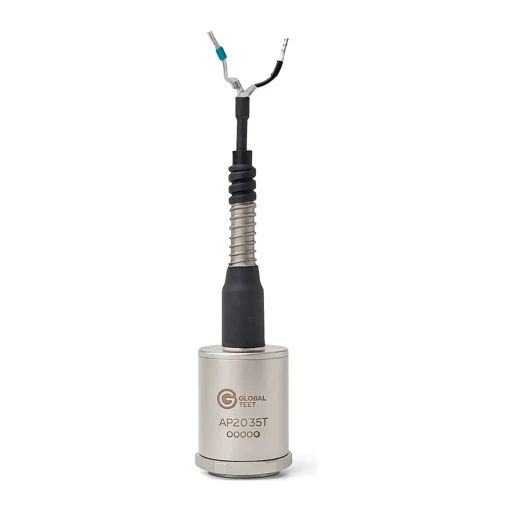
Vibration, Seismic & Shock Detectors
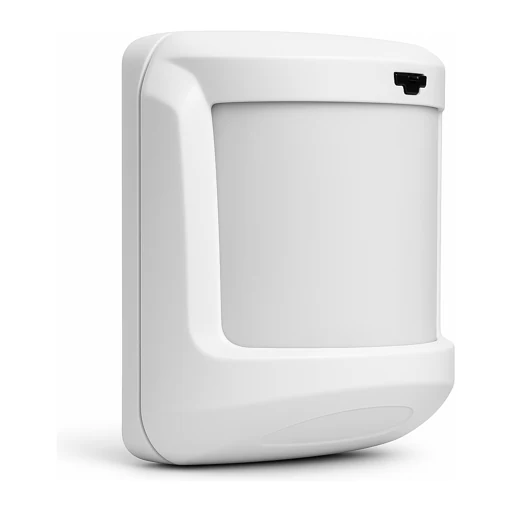
Motion & Dual-Technology Detectors
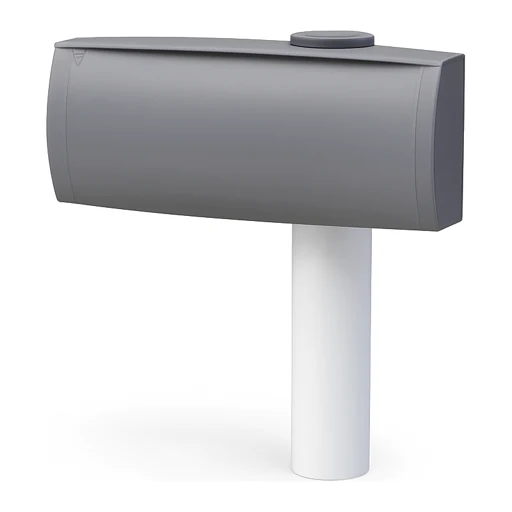
Perimeter Optical & Microwave Detectors
Panic Buttons & Emergency Call Devices
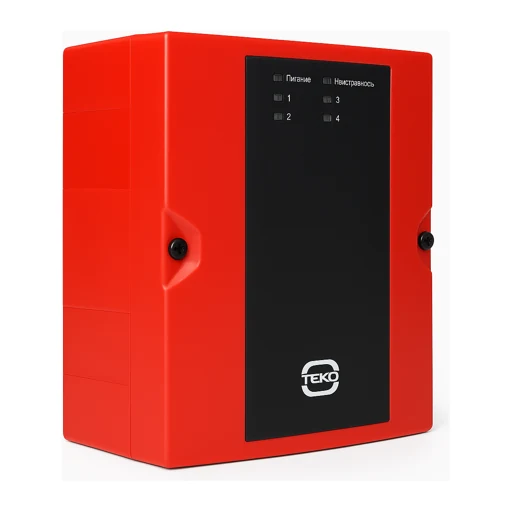
Alarm Control Panels & End Devices

Perimeter Cable Detectors (Triboelectric/Seismic)
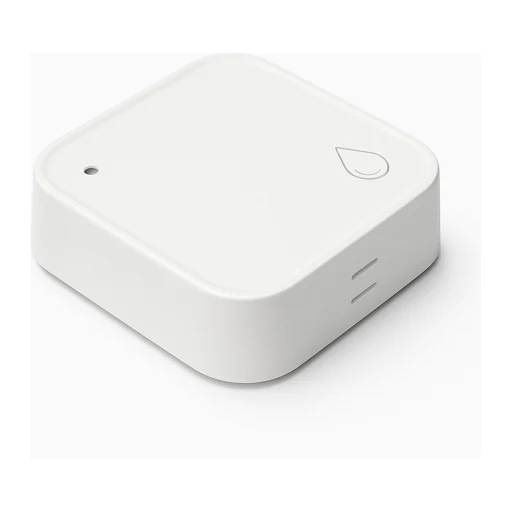
Water Leak, Open-Door & Specialty Sensors
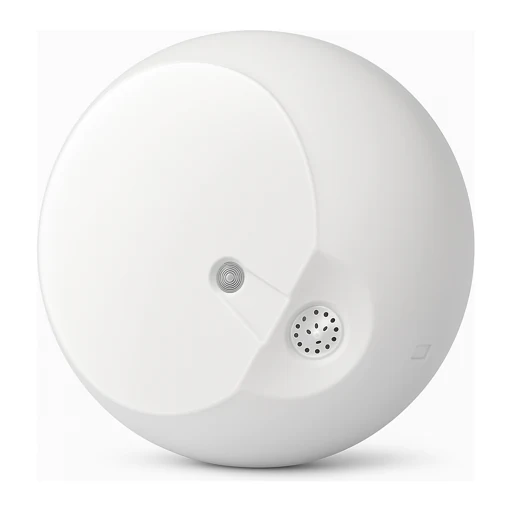
Glass Break Detectors
Other Intrusion Detectors & Accessories
产品 — 入侵检测与报警
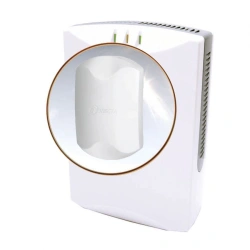
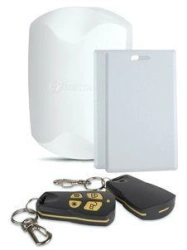
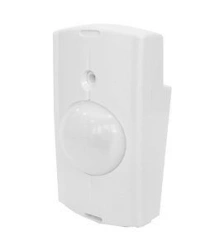
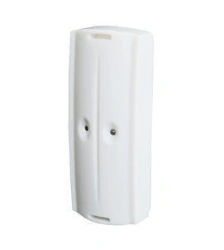
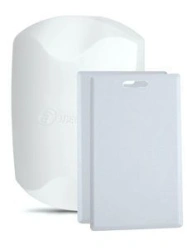
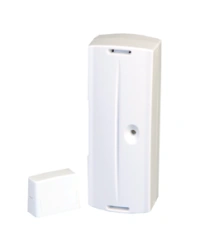
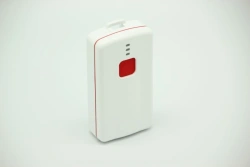
Wireless Point Magnetic Contact Security Detector IOB 10210-7 "Jupiter-5130
¥21.60-129.60
ELESTA LLC 🇷🇺
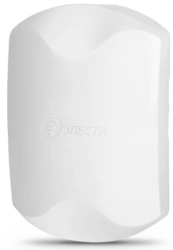
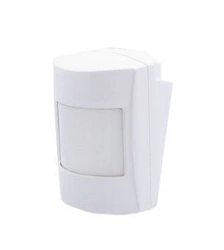
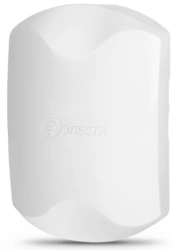
Passive Infrared Optical-Electronic Security Sensors IO42110-1 "Jupiter-5230
¥64.80-259.20
ELESTA LLC 🇷🇺
发布您的采购需求
从认证供应商获取报价
节省时间
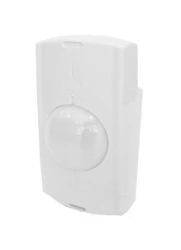
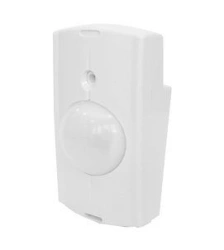
Surface-Mounted Passive Infrared Optical-Electronic Intruder Detector Jupiter-5212
¥64.80-216
ELESTA LLC 🇷🇺
常见问题
•How do microwave perimeter detectors handle vegetation, animals and weather?
Bistatic microwave pairs create a detection volume between transmitter and receiver and are tuned to ignore small animals and rain while catching a crawling or walking intruder. They need a cleared strip — typically a few meters wide — free of moving vegetation. For sites where clearing is impossible, vibration cable on the fence is the usual alternative.
•Can these detectors connect to alarm panels and VMS platforms we already use?
Practically all perimeter and indoor detectors provide dry relay outputs, which connect to any alarm panel or I/O module regardless of brand. Some product lines add RS-485 or IP interfaces for addressable monitoring. If you need events inside a specific video management system, integration usually goes through the panel or an I/O gateway.
•What does a 1 km perimeter protection package roughly involve?
A typical configuration combines microwave barriers or buried/fence-mounted cable across straight sections, with vibration detectors on gates and corners, feeding zone inputs on a control panel. Suppliers will engineer the layout from your site plan. Equipment cost scales mainly with zone count; installation is well within the capability of a local low-voltage contractor.
•What is the minimum order — can I trial a few units first?
Yes, evaluation orders of one or two detector pairs are normal and recommended before committing to a long perimeter. Indoor detectors ship from carton quantities. Trial units ship by courier in 1–2 weeks; production quantities typically need 20–40 days. Many integrators validate on one site, then order per project.
•How are warranty claims handled across borders?
Standard warranty is 12–36 months depending on manufacturer. Failed units are diagnosed remotely first — most issues turn out to be alignment or wiring and are solved by correspondence. Genuine hardware failures are replaced by courier shipment; for ongoing partners, suppliers often ship advance replacements and reconcile with the next order.