











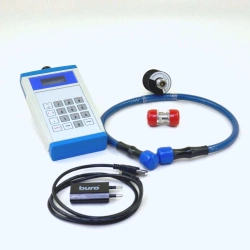































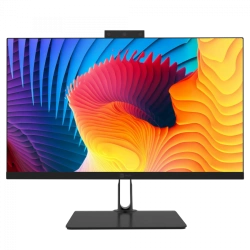

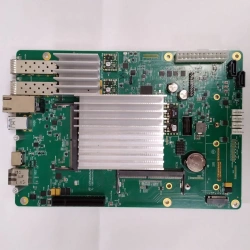

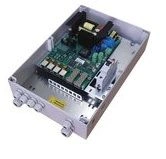
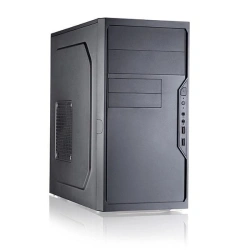















































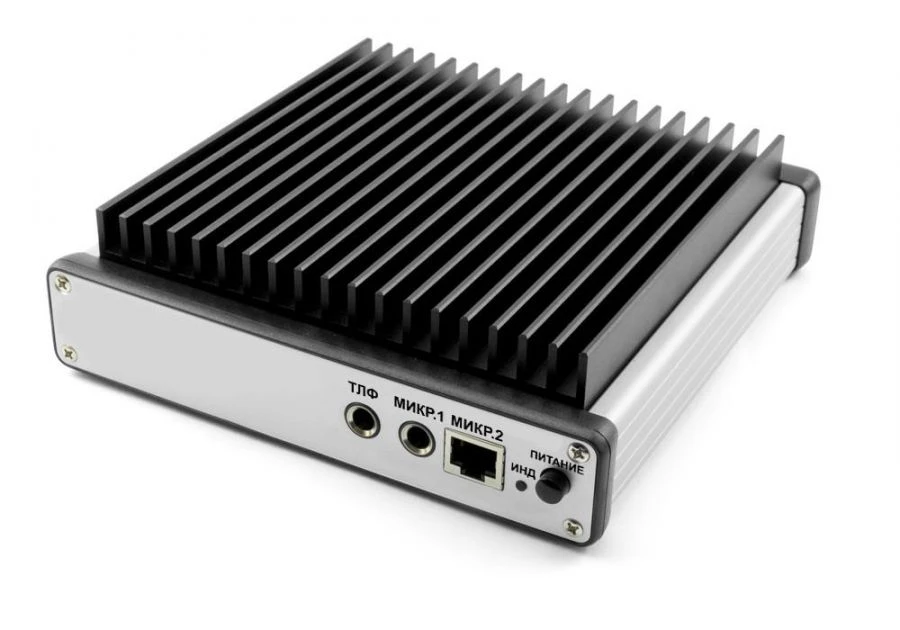


Modern digital transceiver and transmitting station KV band frequencies, structurally designed as an attachment to a computer with an output power of 20 watts.
The receiving and transmitting station is based on SDR technology (SDR - software-defined radio) and is a universal receiving and transmitting platform. The principle of direct digitisation of signals in the receiving mode and direct synthesis of radio signals in the transmitting mode (DDC/DUC technology) allows the station to be adapted to any task. The types of signals used and the transceiver's operating algorithm can be changed by modifying the software.
Interaction with the user is carried out through the interface of the control programme.


Tell us what you need and get quotes from verified suppliers