


المنتجات — الديكور الداخلي والمقاعد
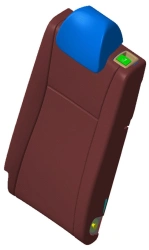
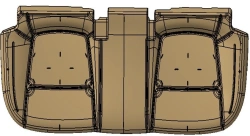
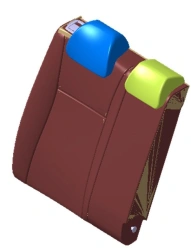
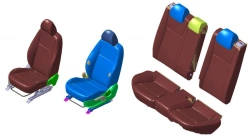
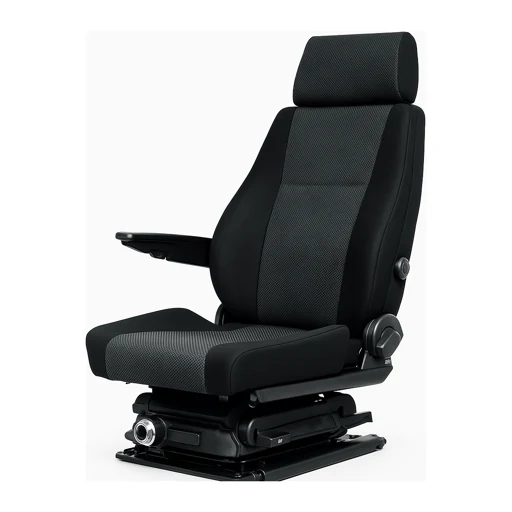
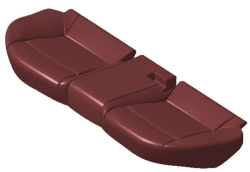
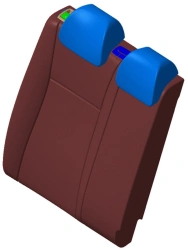
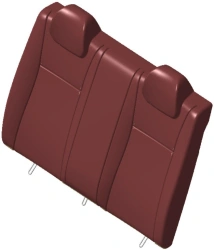
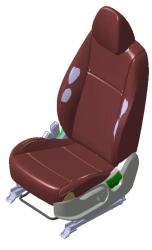
مقاعد السيارات HCr (SOLARIS HS): اليسار الأمامي، اليمين الأمامي، الخلفي
SAR 675-2,700
ش.ذ.م.م ديفون روس 🇷🇺
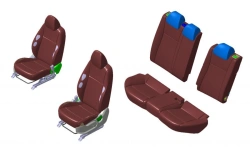
مقاعد سيارات FB Cross لطراز Solaris KRX: أمامي أيسر، أمامي أيمن، خلفي
SAR 1,687.50-6,750
ش.ذ.م.م ديفون روس 🇷🇺

انشر طلب الشراء الخاص بك
احصل على عروض من موردين موثوقين
وفر وقتك
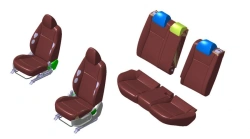
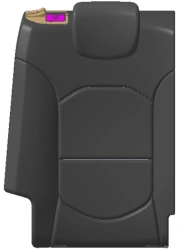
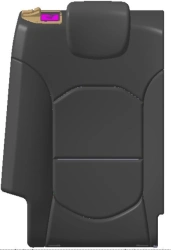
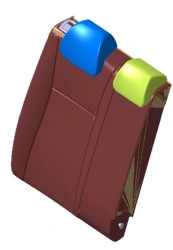
مقاعد سيارات FBr لسيارة SOLARIS KR - يسار أمامي، يمين أمامي، خلفي
SAR 787.50-2,250
ش.ذ.م.م ديفون روس 🇷🇺
الأسئلة الشائعة
•Can I order a complete seat set for refurbishing a 45-seat bus?
Yes — this is the typical order pattern. Specify bus model, floor layout and pitch between rows, or simply send interior photos and dimensions. The factory proposes a configuration of double and single seats, aisle-side armrests and mounting hardware, quoted per set. Fabric color and antivandal options are selected from swatch cards before production.
•Do passenger seats meet safety regulations for buses in my country?
Seats and belts for M2/M3 categories are produced to the UNECE-aligned technical regulations applied in the EAEU and ship with conformity documents. Many importing countries accept these as the basis for local approval, but regimes differ — send your national requirement and the supplier will state plainly which regulation numbers their certificates reference.
•How many bus seats fit into one container?
With legs detached and seats nested, a 40-foot container typically carries several hundred passenger seat places — enough for five to eight large city buses depending on configuration. Frames, cushions and hardware pack separately in labeled groups per vehicle. Suppliers provide a container loading plan with the quotation so you can calculate landed cost per seat.
•Are antivandal seats really worth the premium for municipal fleets?
Operators of hard-service routes generally think so: cross-fabric or solid-shell antivandal seats resist cutting, burning and graffiti far better than standard upholstery, and replacement cycles lengthen accordingly. For school buses and intercity coaches with controlled ridership, standard padded seats remain the comfortable and cheaper choice. Many fleets mix both types by route profile.
•Can upholstery and trim panels be matched to an older vehicle generation?
Trim in this catalogue is listed by factory part number per generation, and plants keep producing panels for models long out of assembly because the operating fleet demands them. Send the vehicle identification data or the number molded into the back of the old panel. Where a part is superseded, the supplier states what changed.
•What lead time applies to a custom-fabric seat order?
Standard catalogue seats ship in one to three weeks. Custom fabric, color or layout typically adds production time, bringing the order to 30–45 days before dispatch — the fabric supply itself is usually the variable. Sea transit then runs 30–50 days to most destination ports, or two to three weeks overland to Central Asian cities.